
Ball Valve VS Check Valve for Natural Gas
High-Purity Valves for Pharmaceutical Industry | Sanitary & Sterile Solutions
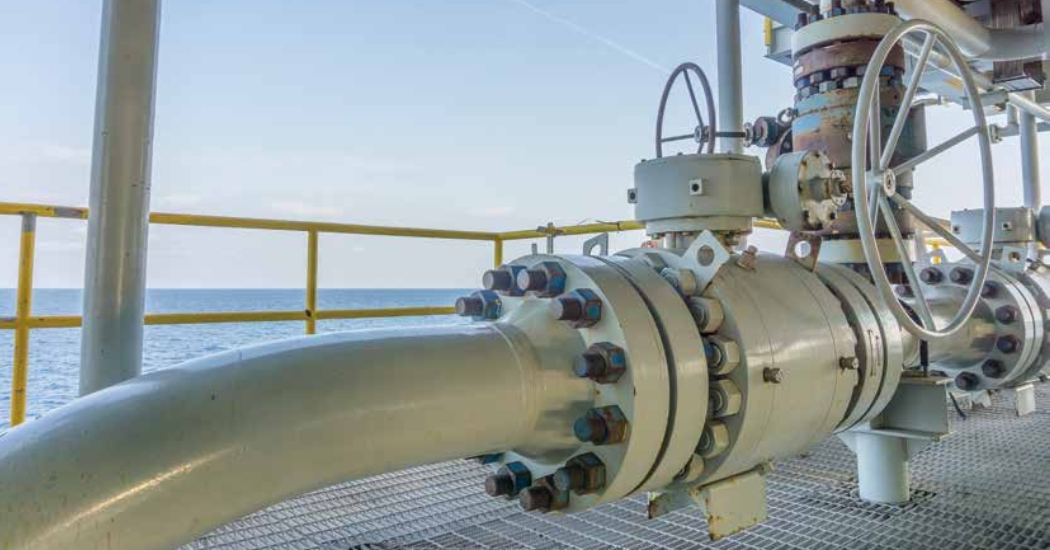
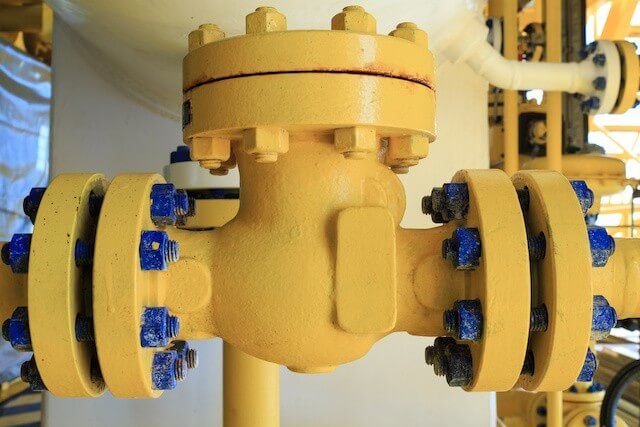
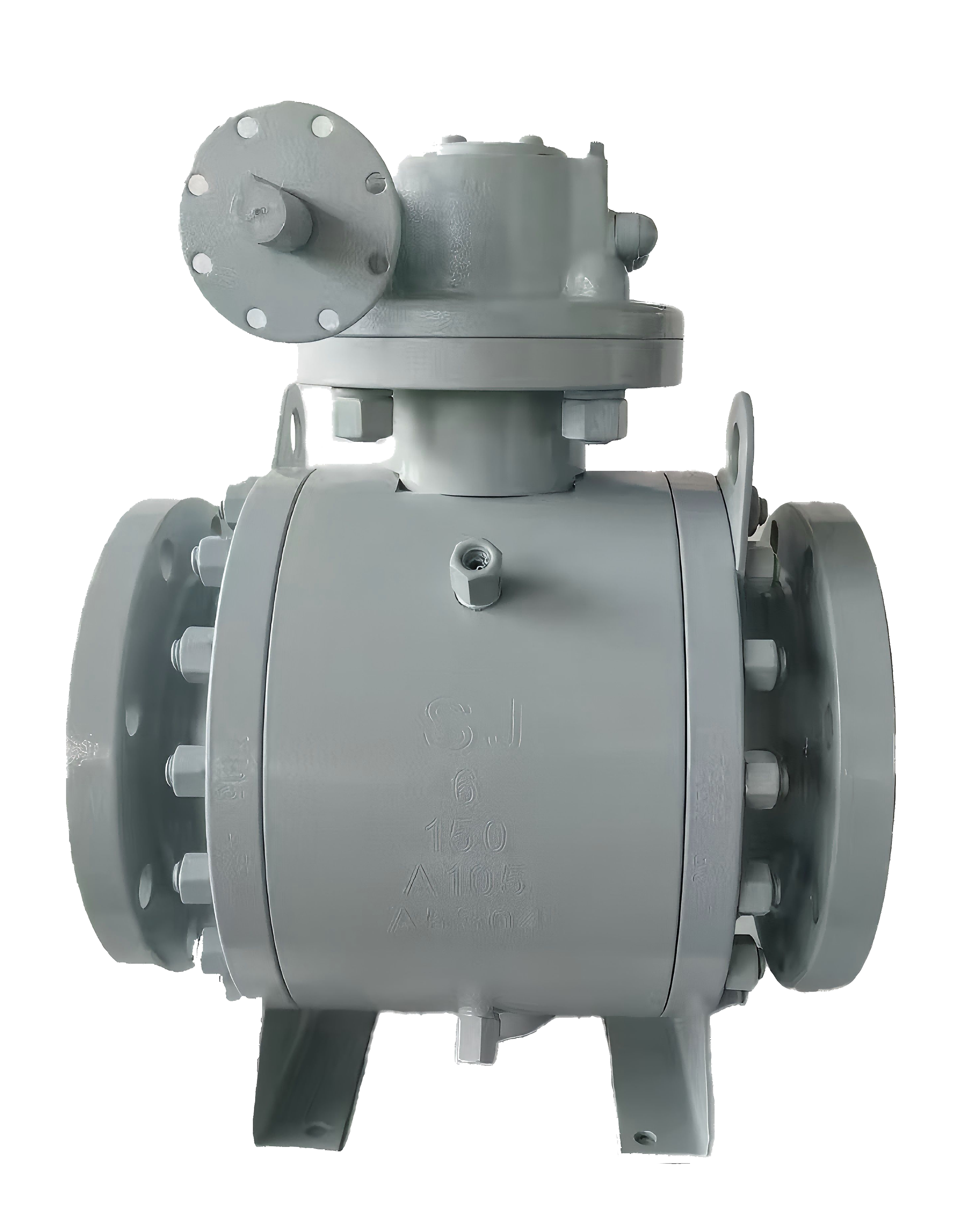
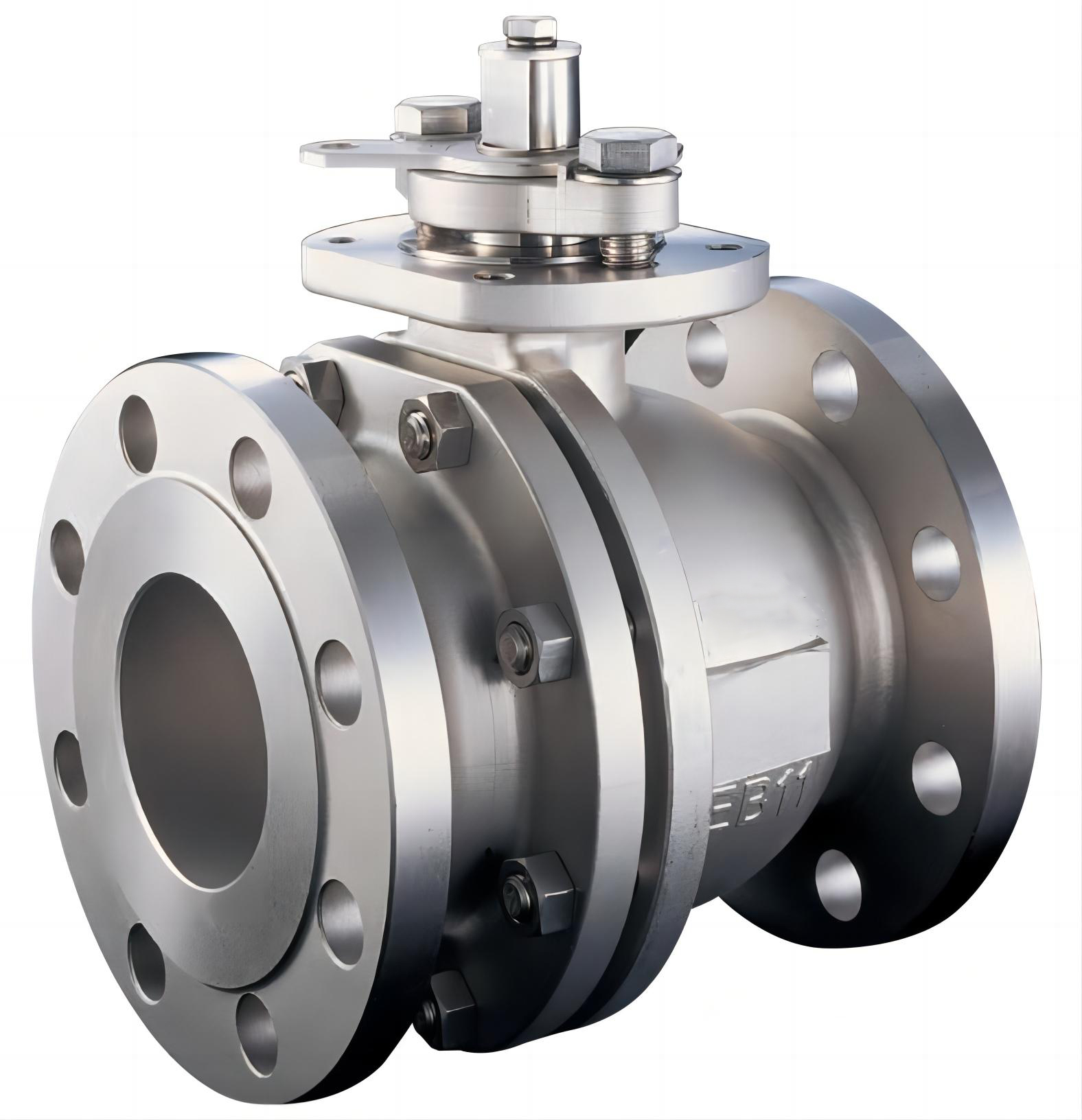
Ball Valves (Command-Driven Isolation): Operate via external manual or automated actuation. A quarter-turn (90-degree) rotation of a bored ball controls flow, providing deliberate, verifiable shut-off for maintenance and process isolation.
Check Valves (Automated Non-Return): Function autonomously based on system differential pressure. Forward pressure unseats the closure element, while reverse flow, gravity, or spring force returns it to the seat, preventing backflow without manual intervention.
How a Check Valve Operates
Forward differential pressure lifts or swings the closure member away from the seat. As flow falls or starts to reverse, gravity, spring force, backpressure, or a combination of these forces returns the disc, plate, piston or poppet towards the closed position. No handle, gearbox or external actuator is required.
Opening pressure, flow velocity, installation orientation and closing response all affect check valve behaviour. A swing design may suit a steady-flow, larger-bore line, while dual-plate, lift or axial designs can respond differently to pressure loss, available space and reverse-flow speed. These industrial check valve types provide non-return protection, but they do not give an operator a commanded isolation point for maintenance.
Relevant performance indicators & parameters


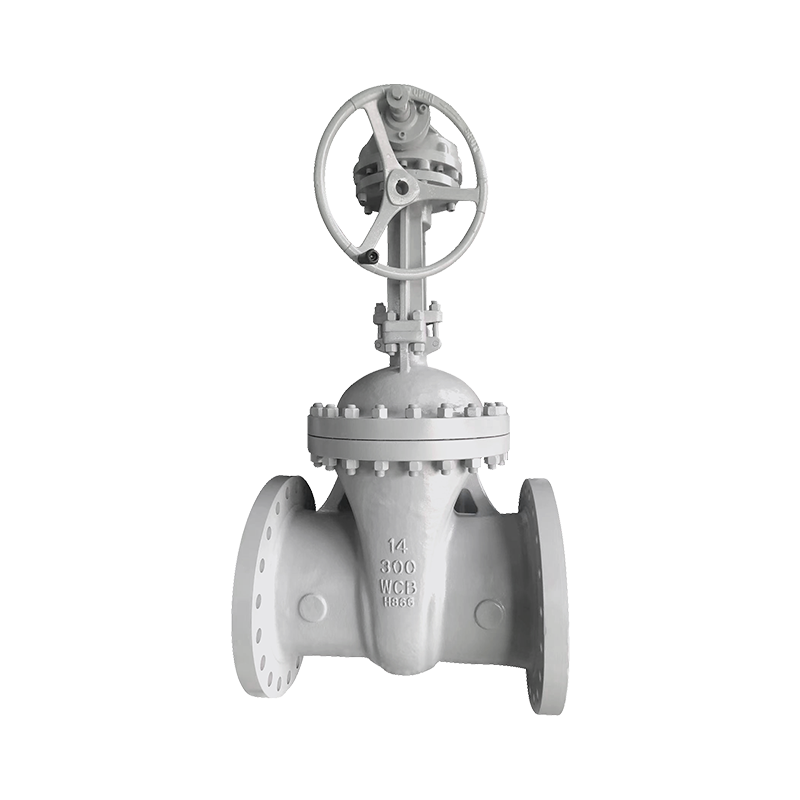
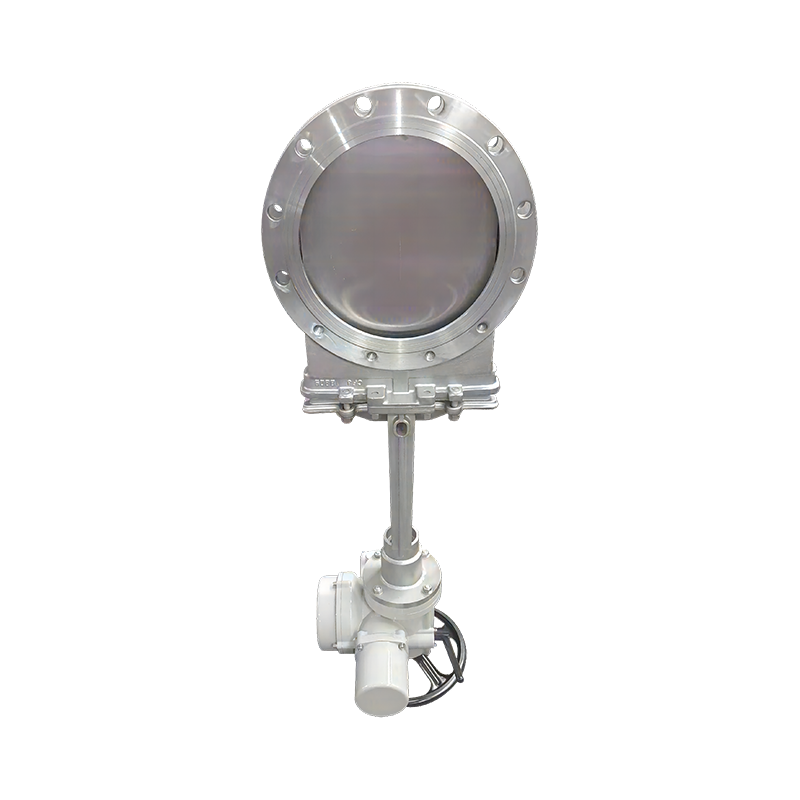
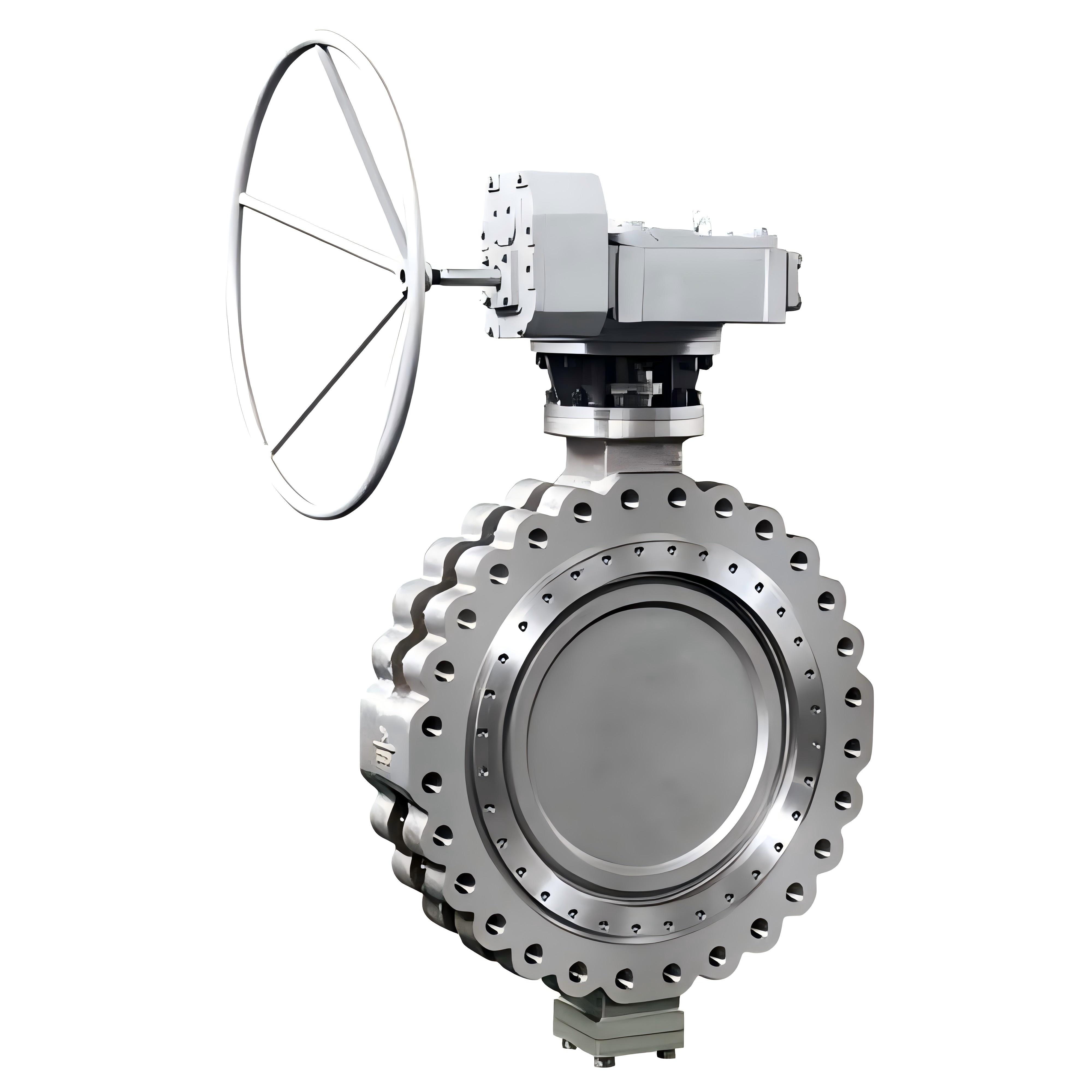
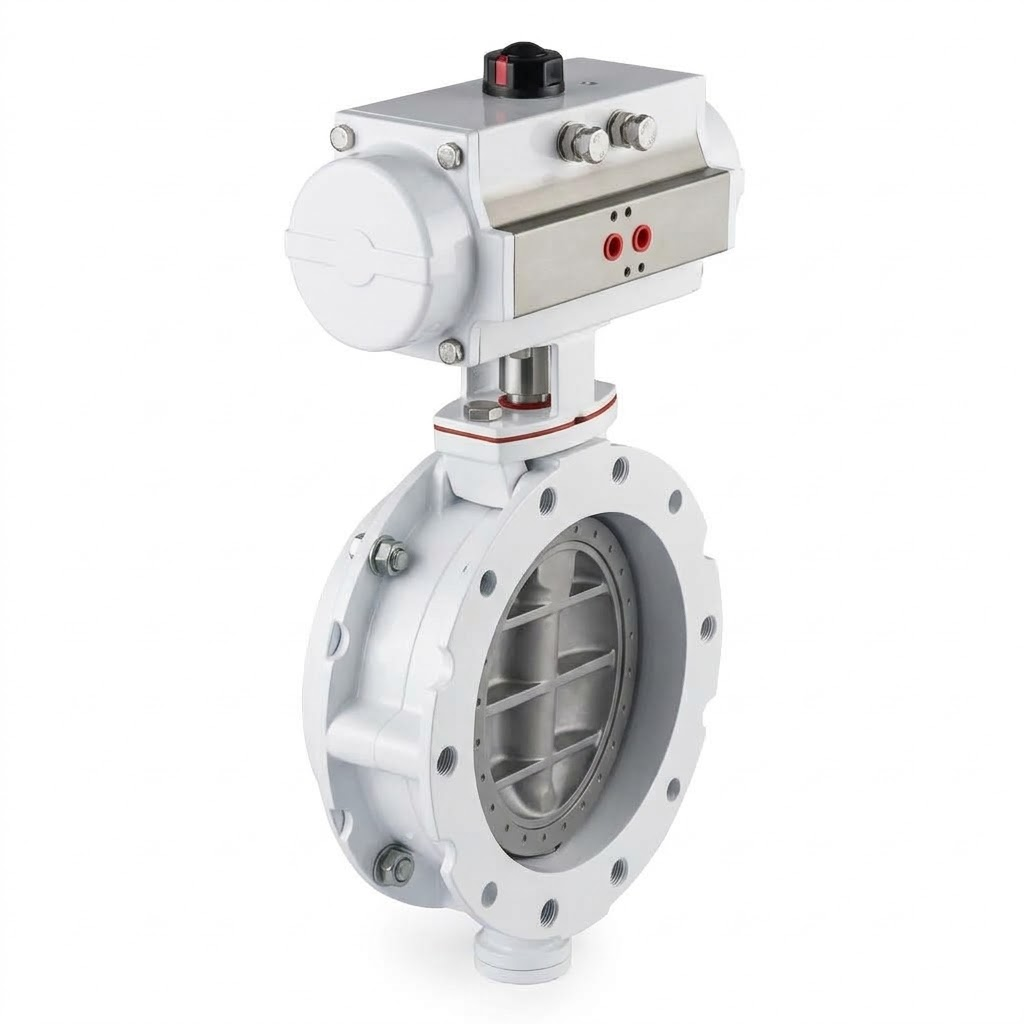
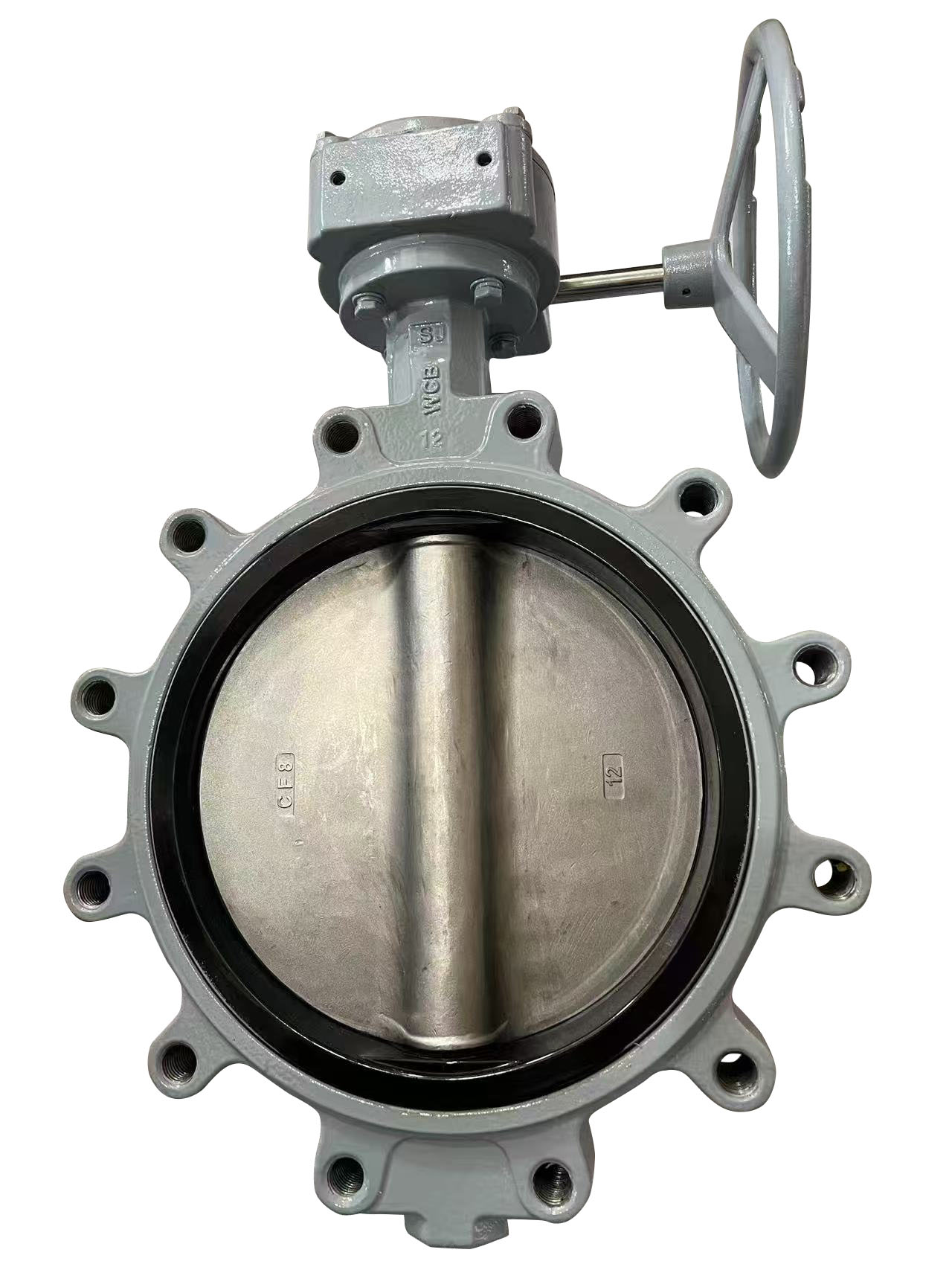
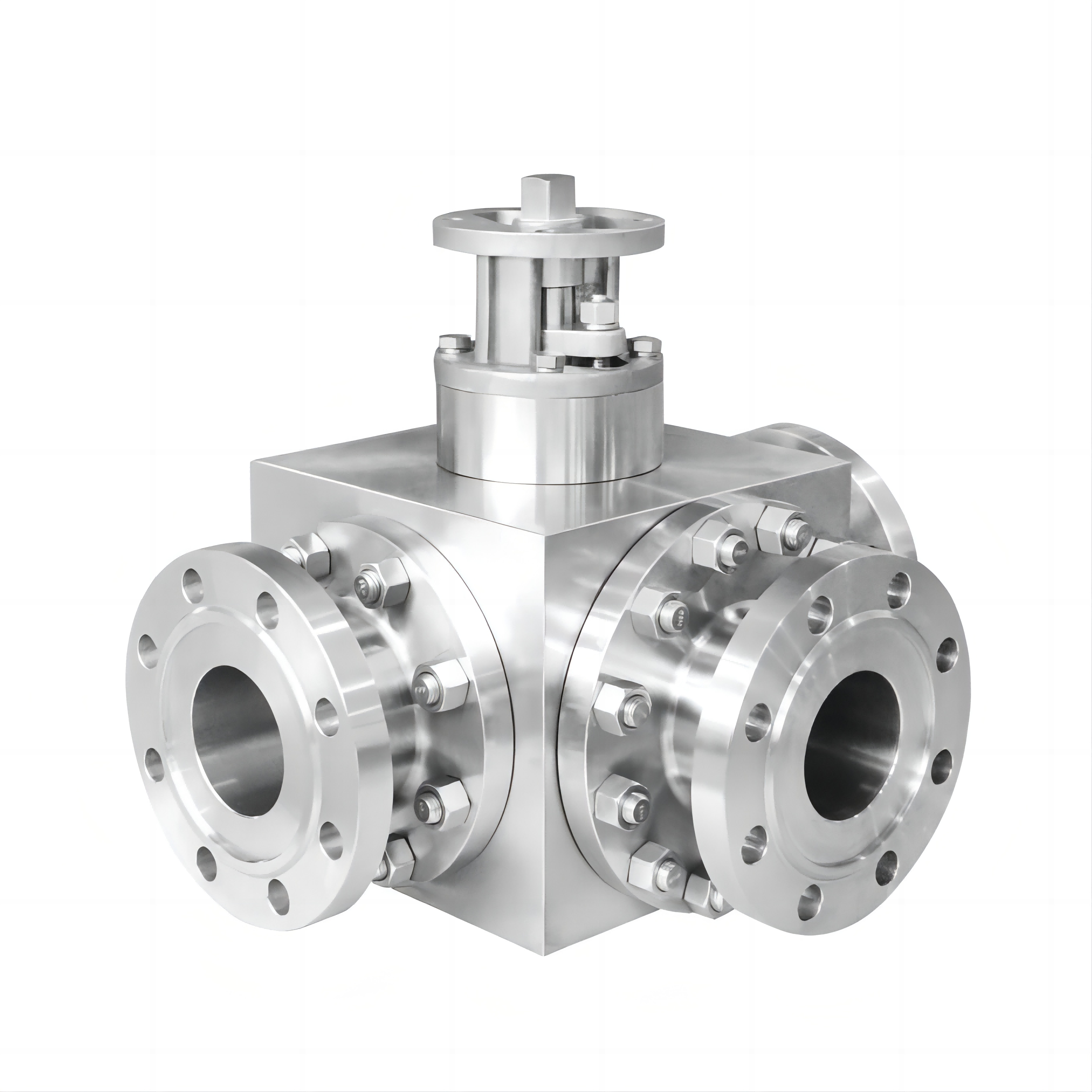
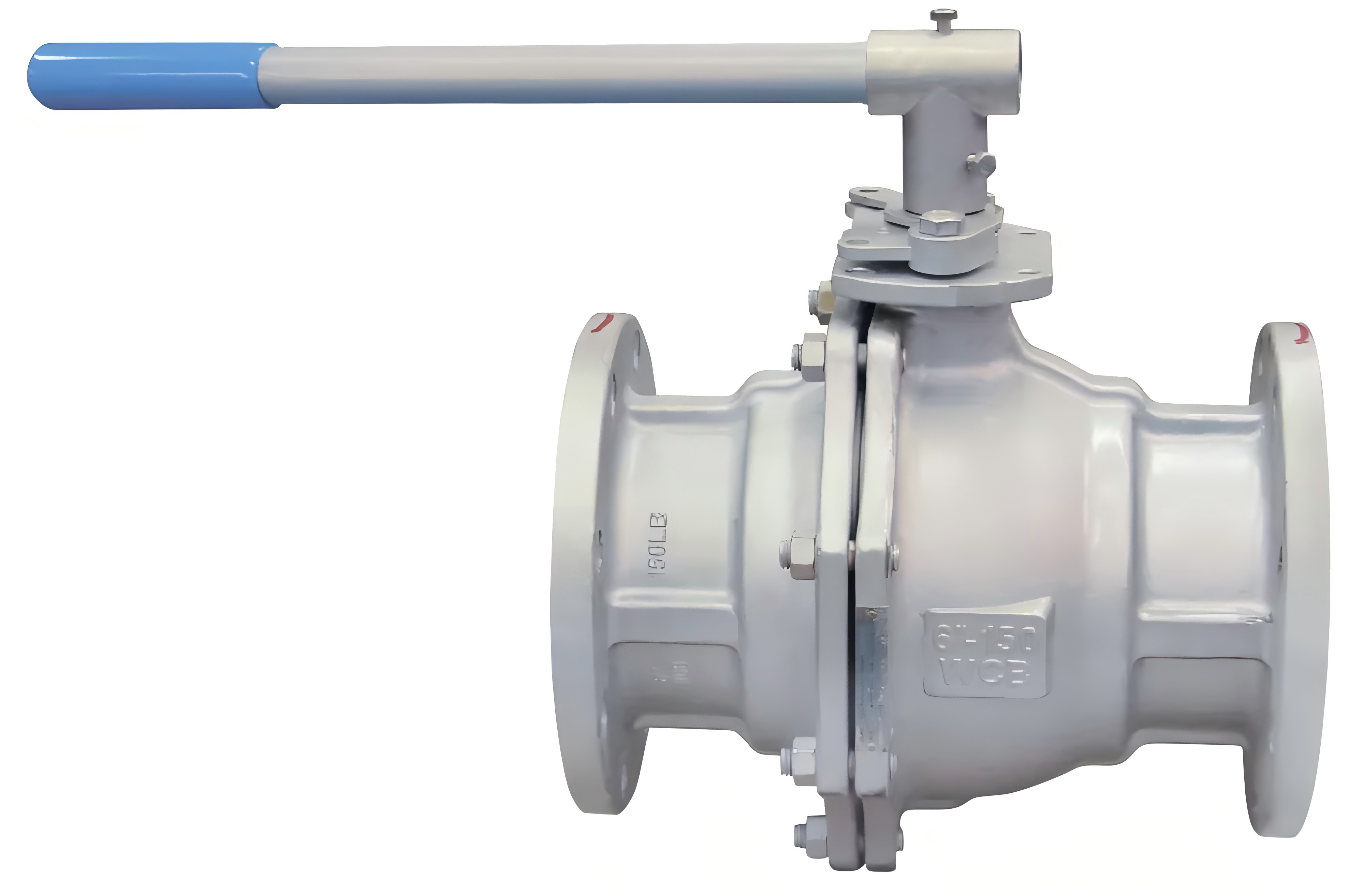
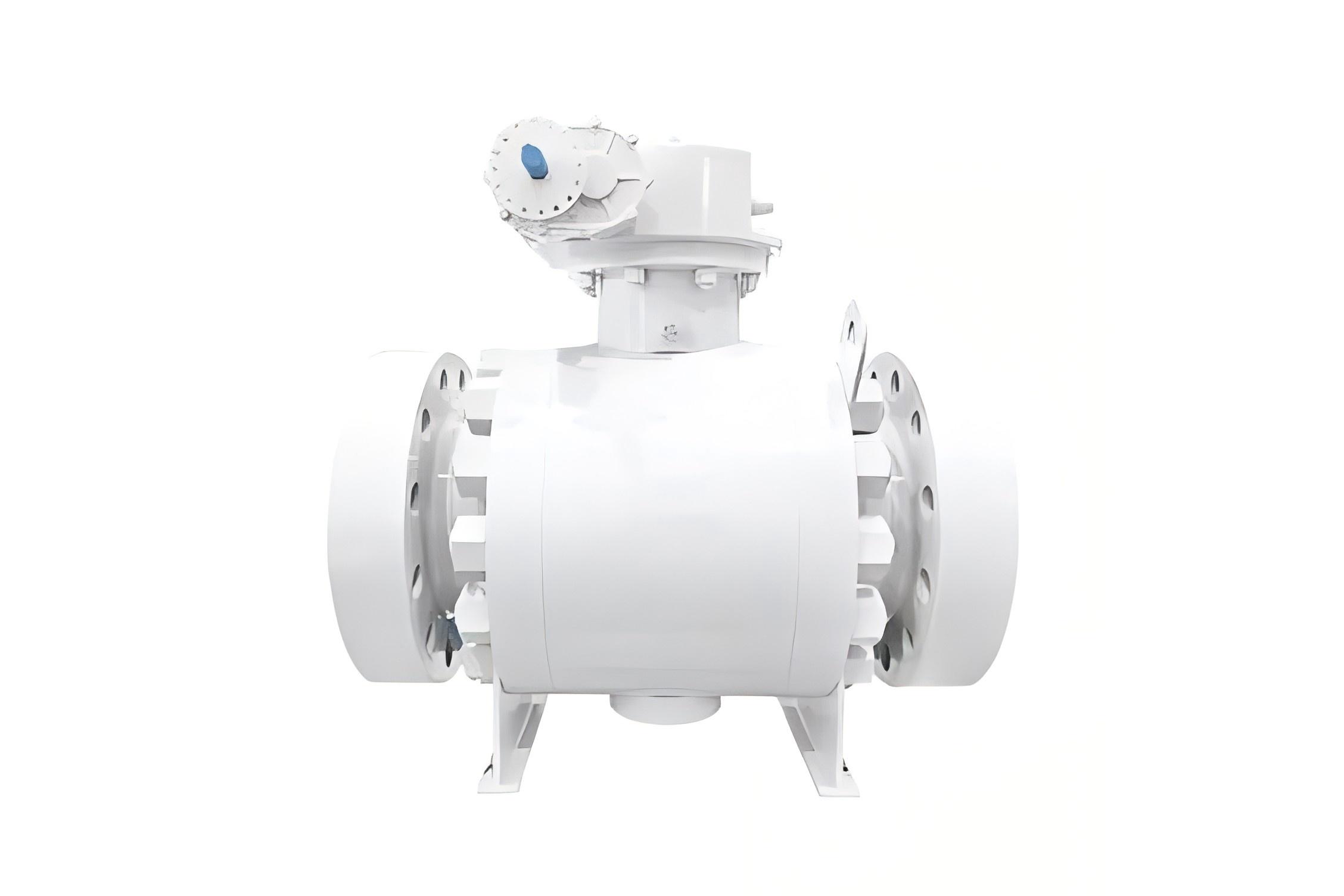


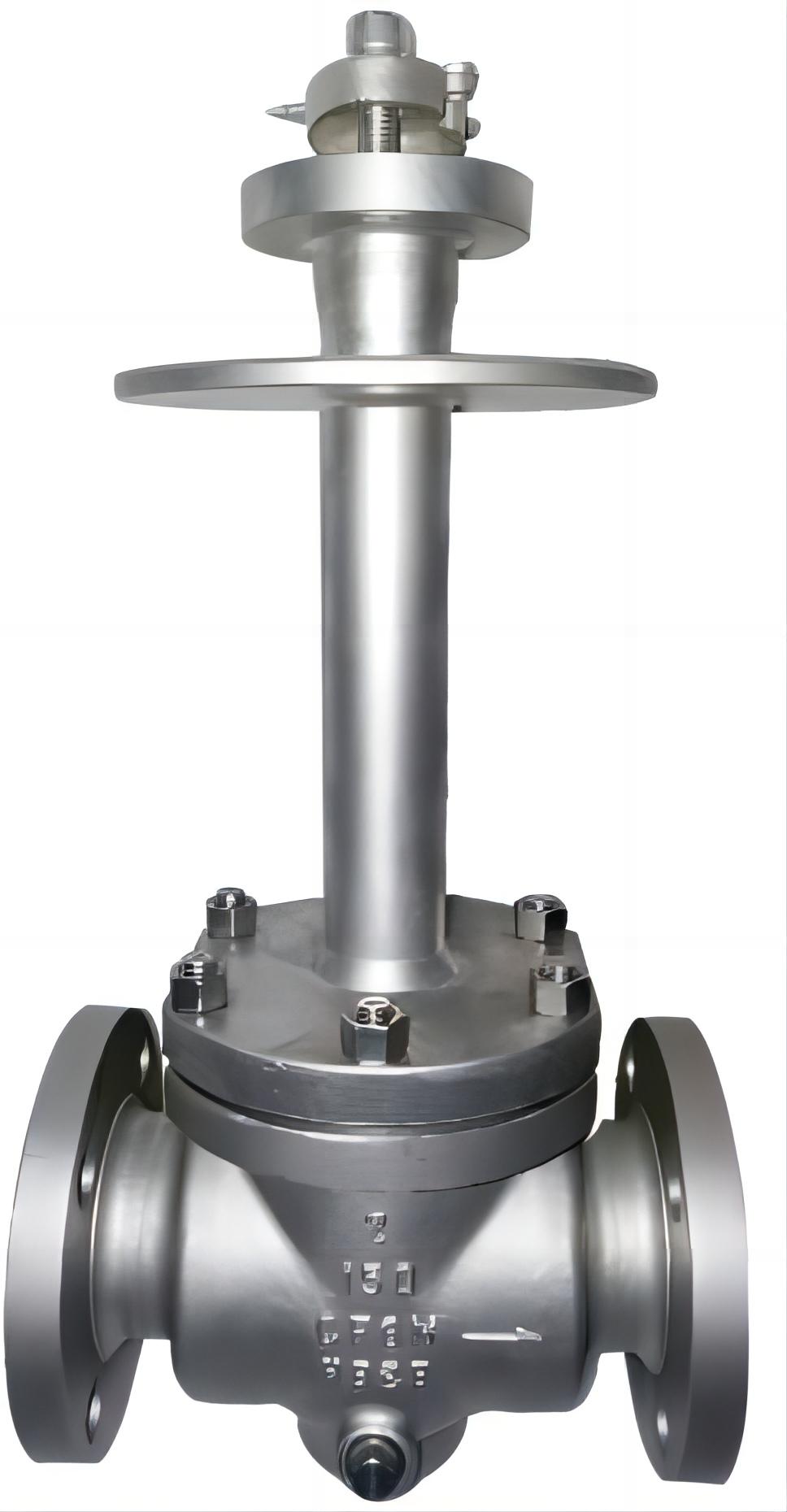


Key Check Valve Design Variants
Swing Check Valves: Utilize a hinged disc that swings open with forward flow and closes via gravity or backpressure. Ideal for steady-flow, low-pressure, large-bore applications (e.g., wastewater and irrigation networks). Limited suitability for vertical lines.
Spring-Loaded Check Valves: Incorporate a internal spring mechanism to return the disc to its seat as forward pressure drops. Preferred for high-pressure systems (e.g., hydraulics) and vertical piping configurations to eliminate water hammer and pressure surges.
Dual-Plate Check Valves: Feature two semicircular, spring-hinged plates that minimize pressure drop and offer rapid closing response. Widely deployed in gas transmission systems where low flow resistance and instant backflow prevention are critical.
How a Check Valve Operates
Forward differential pressure lifts or swings the closure member away from the seat. As flow falls or starts to reverse, gravity, spring force, backpressure, or a combination of these forces returns the disc, plate, piston or poppet towards the closed position. No handle, gearbox or external actuator is required.
Opening pressure, flow velocity, installation orientation and closing response all affect check valve behaviour. A swing design may suit a steady-flow, larger-bore line, while dual-plate, lift or axial designs can respond differently to pressure loss, available space and reverse-flow speed. These industrial check valve types provide non-return protection, but they do not give an operator a commanded isolation point for maintenance.
Key Differences Between a Check Valve and a Ball Valve
A check valve reacts to changing flow and differential pressure, while a ball valve stays in its commanded position until a person or actuator moves it. That distinction affects control, pressure loss, installation and the failure risks that must be checked during selection.
Key Differences Between a Check Valve and a Ball Valve >>
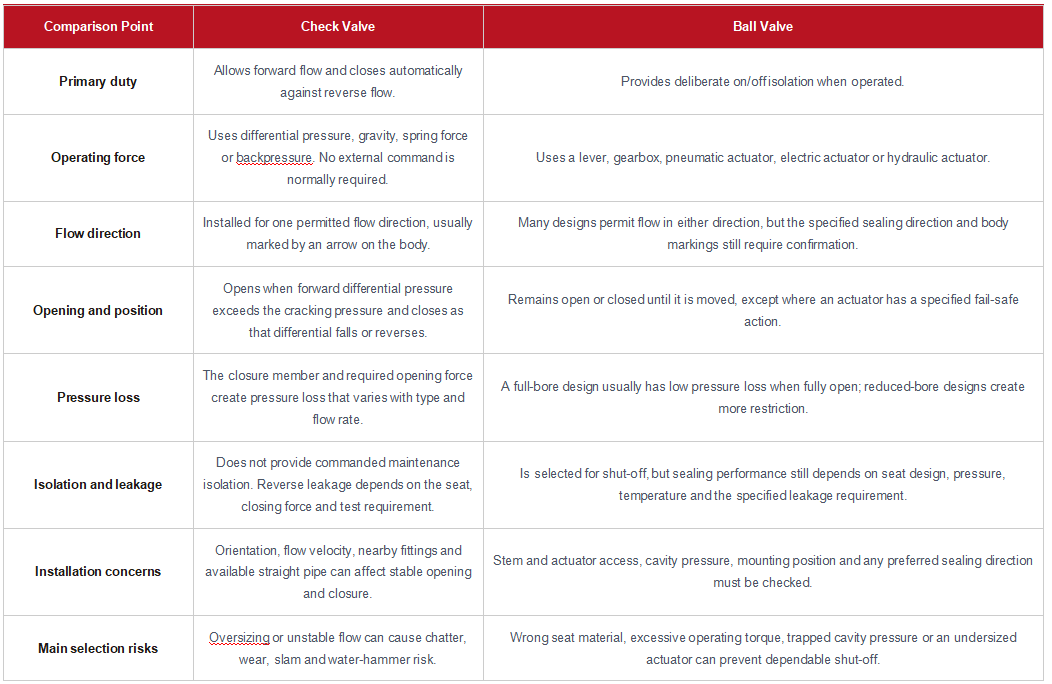
Core Functional Distinction
Ball Valves: Deployed primarily for positive pipeline isolation, flow diversion, and tight shut-off via deliberate manual or automated actuation.
Check Valves: Installed upstream or downstream of equipment to automatically prevent backflow, protect mechanical assets, and maintain system pressure without external command.
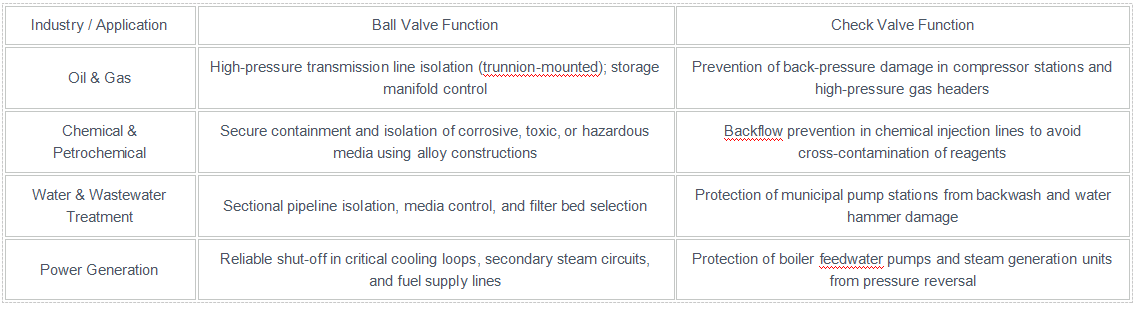
Applications by Valve Type
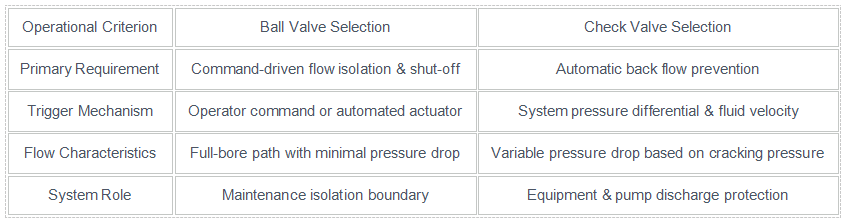
Decision Matrix & Selection Criteria
Choosing between a ball valve and a check valve depends on whether the system requires automated flow direction control or deliberate mechanical isolation.
When to Specify Each Valve Type
Specify a Check Valve When: The application requires immediate, automated non-return protection following a pump trip, compressor shutdown, or sudden loss of upstream head pressure. Ensure the design accommodates minimum flow cracking pressure, rapid transient closure, and pipeline mounting orientation.
Specify a Ball Valve When: Process control demands verified, tight shut-off via quarter-turn actuation. Ideal for applications requiring clear visual/digital position indication, bidirectional isolation, and low fluid friction losses.
Specify Both Valves In Series: When both backflow prevention and maintenance isolation are required on the same line (e.g., pump discharge headers). The check valve responds automatically to dynamic flow reversals, while the adjacent ball valve permits safe, positive isolation during scheduled servicing.
Key Technical & Procurement Considerations
Maintenance Boundary Limits: Never rely on a check valve as a sole isolation point for downstream maintenance, as its sealing integrity depends entirely on dynamic line pressure.
Total Cost of Ownership: Look beyond initial purchase price. Evaluate fluid compatibility, operating temperature/pressure limits, pressure class, and allowable leakage rates (e.g., ISO 5208 or API 598 standards) to ensure long-term reliability.
Standards Compliance: For ball valves installed in oil, gas, or process piping networks, verify whether design specifications require API 608 (plant process piping) or API 6D (pipeline service) compliance prior to final procurement.