
Safety Relief Valves
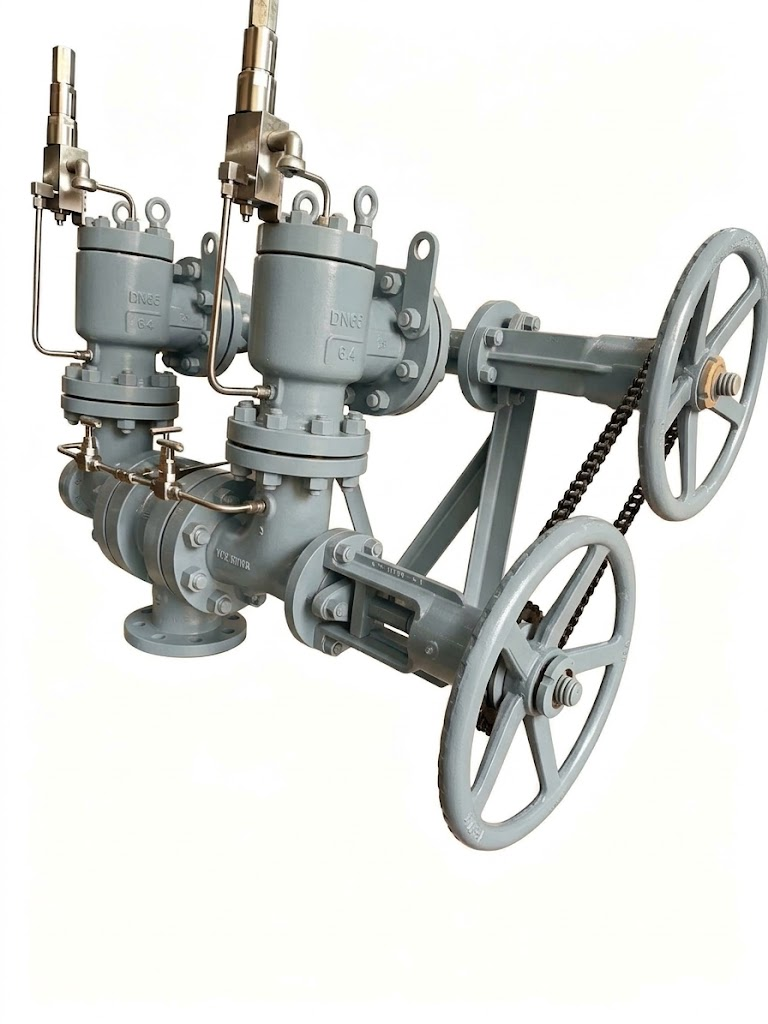
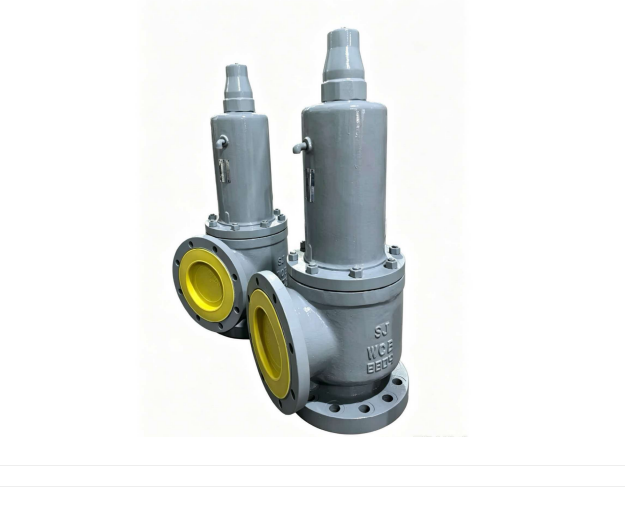
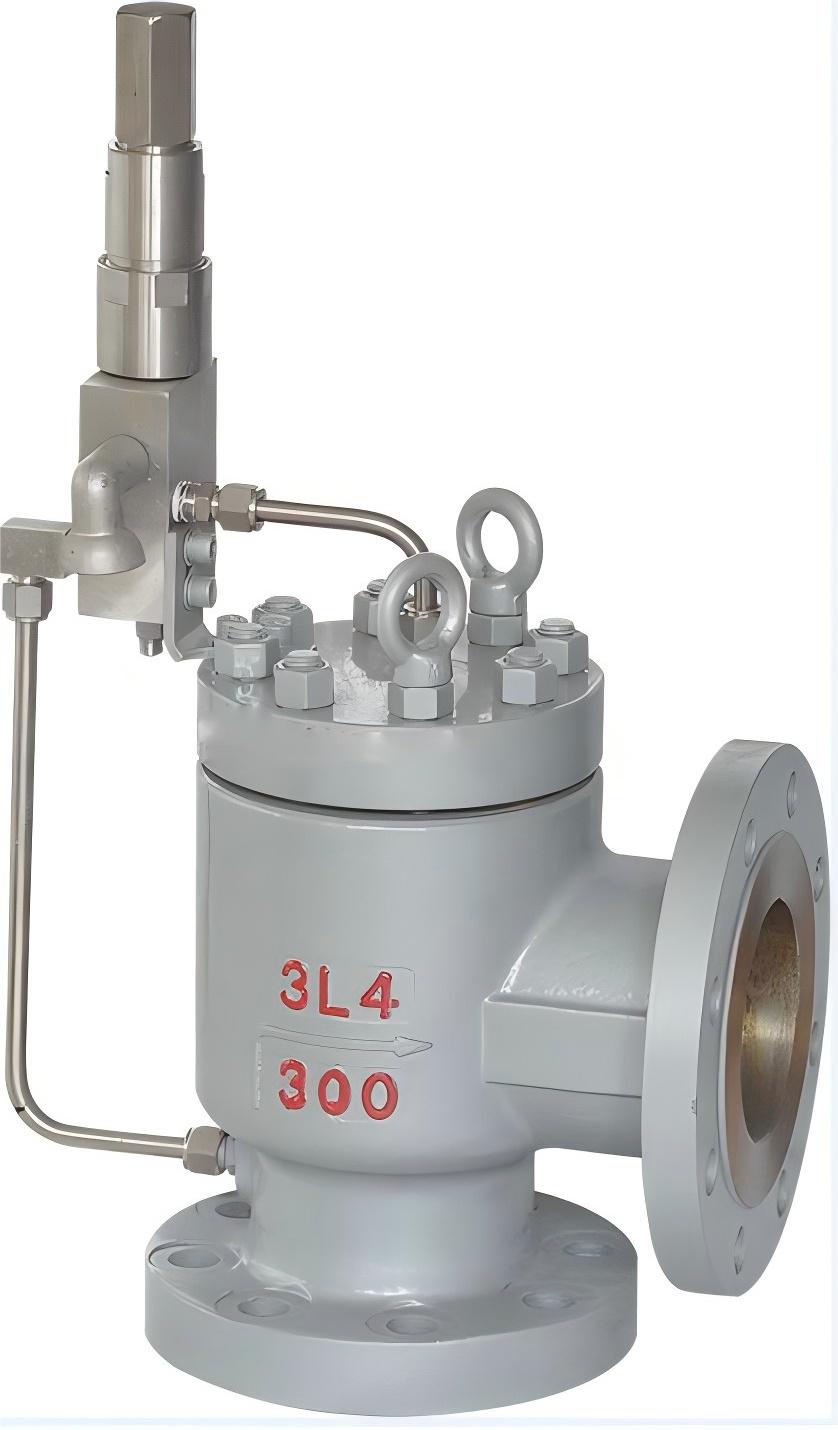
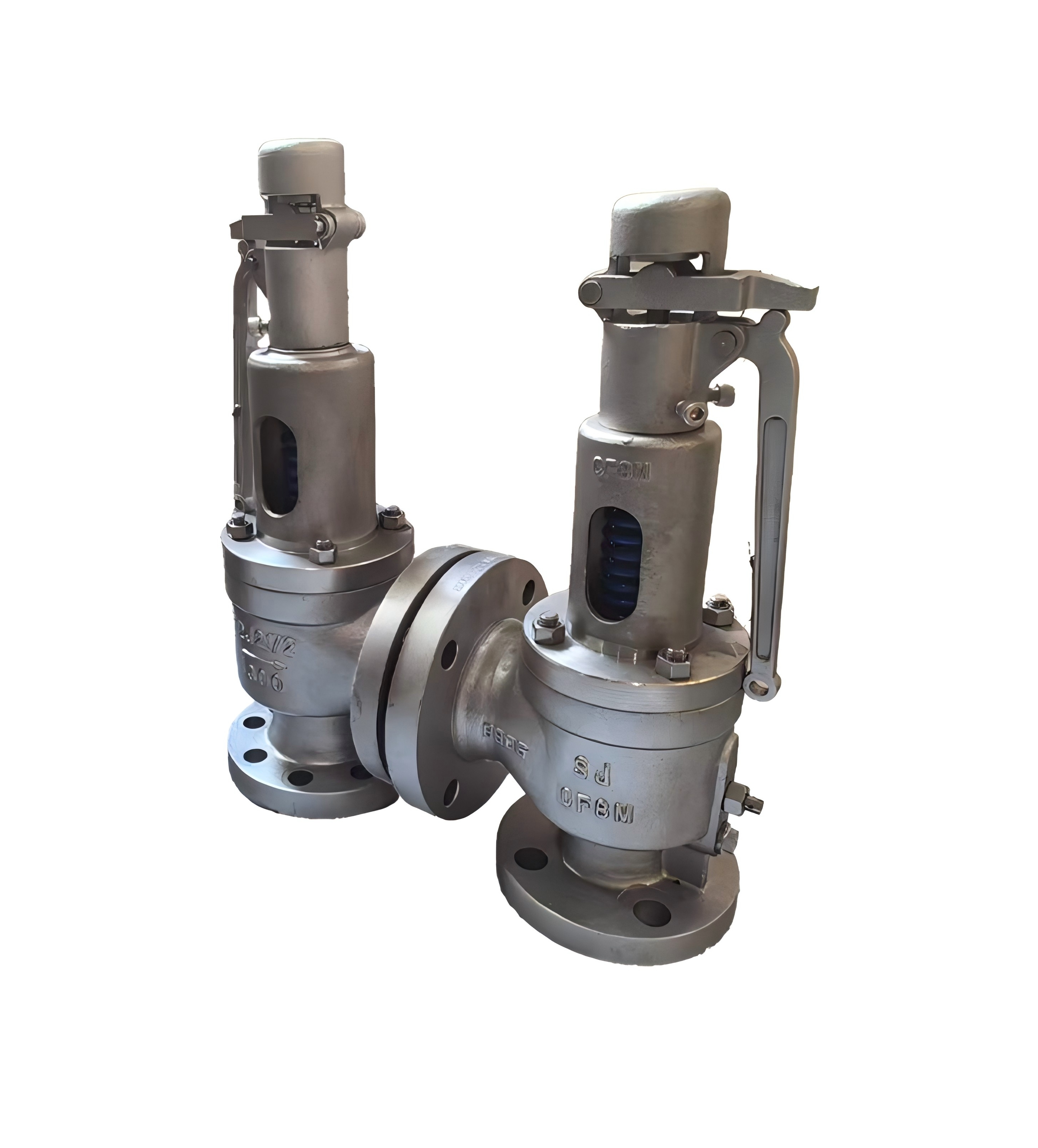
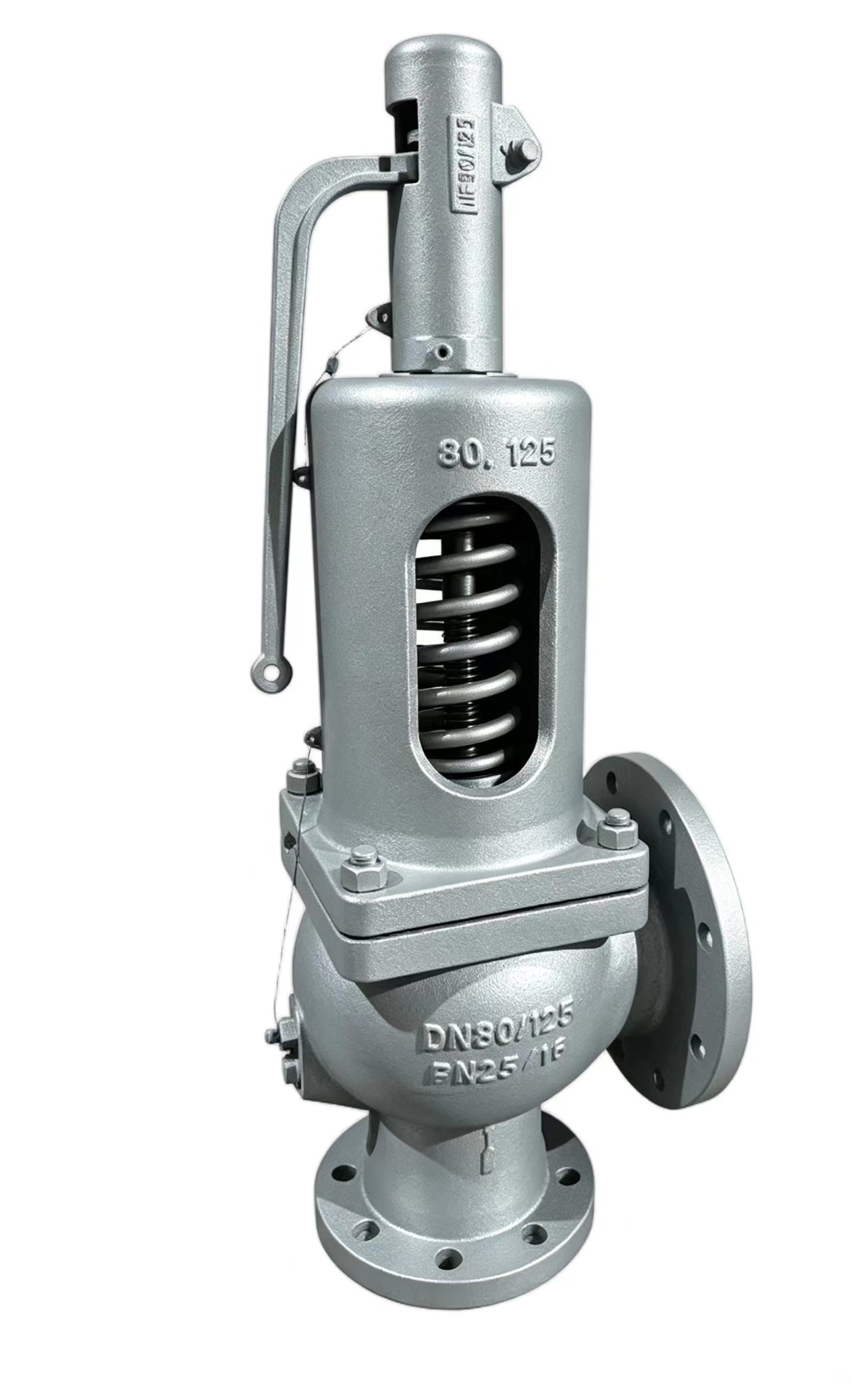
Safety valve (SV) is a spring-loaded pressure relief valve actuated by static pressure upstream of the valve and characterized by a quick-opening or "pop-up" action. Safety valves are typically used with compressible fluids, primarily steam. These devices are typically certified to protect the system within a 3% overpressure range, which is the pressure above the maximum allowable working pressure (MAWP) of the equipment being protected.
Typically, the spring is exposed and does not require valve disassembly. Safety valves are available in two main designs - a rugged side-stem construction, suitable for high pressure and temperature applications, and a general purpose yoke design, used for lower pressure and temperature applications.
Safety valves are used in various process operations to prevent product damage due to excessive pressure.
Excessive pressure can be caused by a variety of situations, such as:
1. Failure of pressure controller or regulator
2.Plants exposed to fire
3.Failure of cooling system or ambient temperature change causing fluid expansion
4.Failure of heat exchanger tubes
5.Increased flow due to incorrect closure or opening of isolation valves
6.Chemical fluid reaction