
Application (PA)105~1.3x10⁻⁵≤1.3x10⁻⁵ valve leakage rate (PA.L/S) Check Valve Vacuum Power supply voltage (V/HZ)220/50

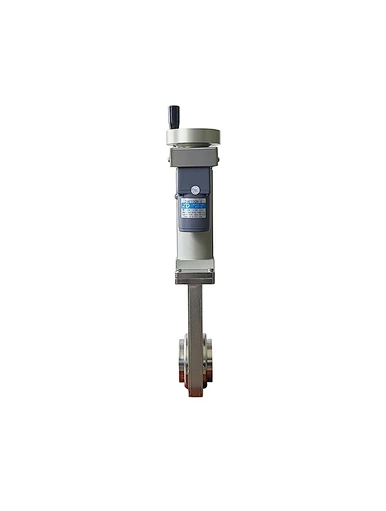

Application (PA)105~1.3x10⁻⁵≤1.3x10⁻⁵ valve leakage rate (PA.L/S) Check Valve Vacuum Power supply voltage (V/HZ)220/50
Oil Vacuum Valve
Main technical performance
Scope of application (PA)105~1.3x10⁻⁵≤1.3x10⁻⁵ valve leakage rate (PA.L/S)
MATERIALS OF MAINPARTS Valve body, valve plate Seals Carbon steel nickel plated or aluminum alloy Nitrile rubber
Medium temperature(°C) -25~+50 Opening and closing time(S)<5
Power supply voltage (V/HZ)220/50
Wire circumference temperature rise (℃)
Installation method<65vertical
Scope of application (PA)105~1.3x10⁻⁵≤1.3x10⁻⁵ valve leakage rate (PA.L/S)
MATERIALS OF MAINPARTS Valve body, valve plate Seals Carbon steel nickel plated or aluminum alloy Nitrile rubber
Medium temperature(°C) -25~+50 Opening and closing time(S)<5
Power supply voltage (V/HZ)220/50
Wire circumference temperature rise (℃)
Installation method<65vertical
Quantity
Oil Vacuum Valve Manufacturer
SJOil Vacuum Valve Is a vacuum check valve designed to comply with ISO/NW/KF/QF vacuum flanges, designed in compliance with DIN 28403, DIN 28404, ISO 1609 and ISO 2861. It is both a center ring and a check valve. Designs with the following structure require additional space. This valve is very economical in size compared to body valves.
By using the required spring settings, SJ vacuum check valves can also actuate low pressure safety valves under normal or vacuum conditions.
By using the required spring settings, SJ vacuum check valves can also actuate low pressure safety valves under normal or vacuum conditions.
Understand the basic functions of Oil Vacuum Valve
Oil Vacuum Valve are small devices that play an important role in systems ranging from automotive to industrial. Its main function is to regulate the flow of air or liquid so that it flows in only one direction while preventing it from flowing in the opposite direction.In a typical Oil Vacuum Valve there are two ports - the inlet and the outlet. The inlet is connected to the system that generates the vacuum, while the outlet is connected to the equipment that requires the vacuum. When the pressure inside the system drops, the valve opens, allowing vacuum fluid to pass through and creating suction. Once the pressure returns to normal, the valve closes again, preventing vacuum leaks. This prevents damage to the system and helps ensure that the system operates efficiently.
Talk To Our Team
Have a question for our team? Get in touch with the details below.

BOTIM
+39 389 949 9067
PHONE
+39 389 949 9067
CONTACT INFORMATION

WORKING HOURS