A Comprehensive Exploration of Butterfly valves
A Comprehensive Exploration of Butterfly valves
A Comprehensive Exploration of Butterfly valves
A butterfly valve is a valve used to isolate or regulate the flow of fluids. The closing mechanism consists of a rotating disc.
Butterfly valves are part of the family of angle turn valves and work very similarly to ball valves. The "butterfly" refers to a disc attached to a stem. When the stem rotates the disc a quarter turn to a position perpendicular to the direction of flow, it closes. Conversely, when the valve is open, the disc rotates backwards, allowing fluid flow.
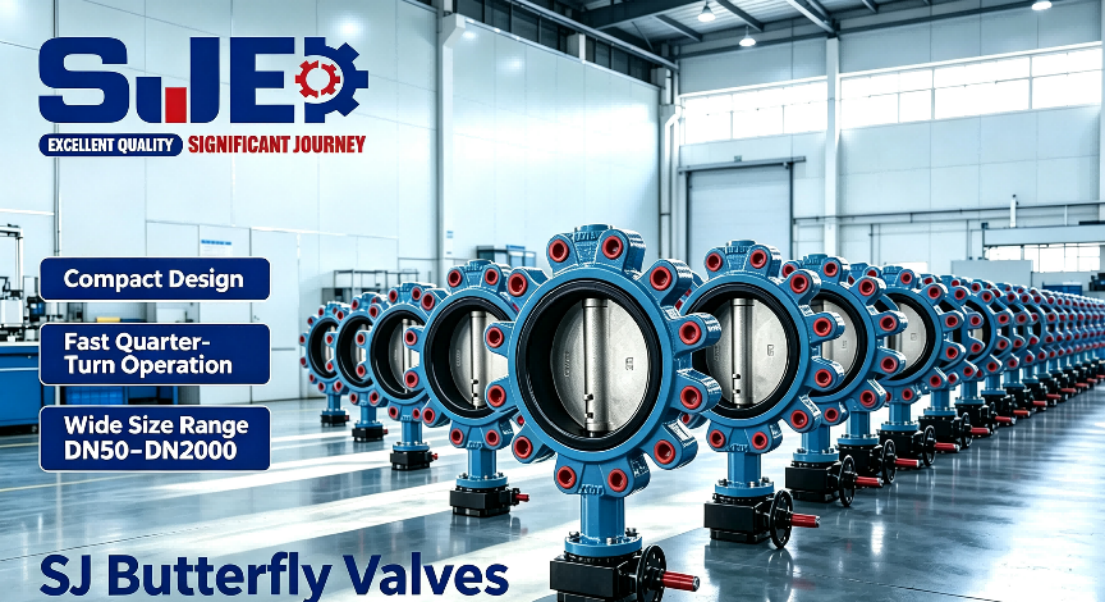
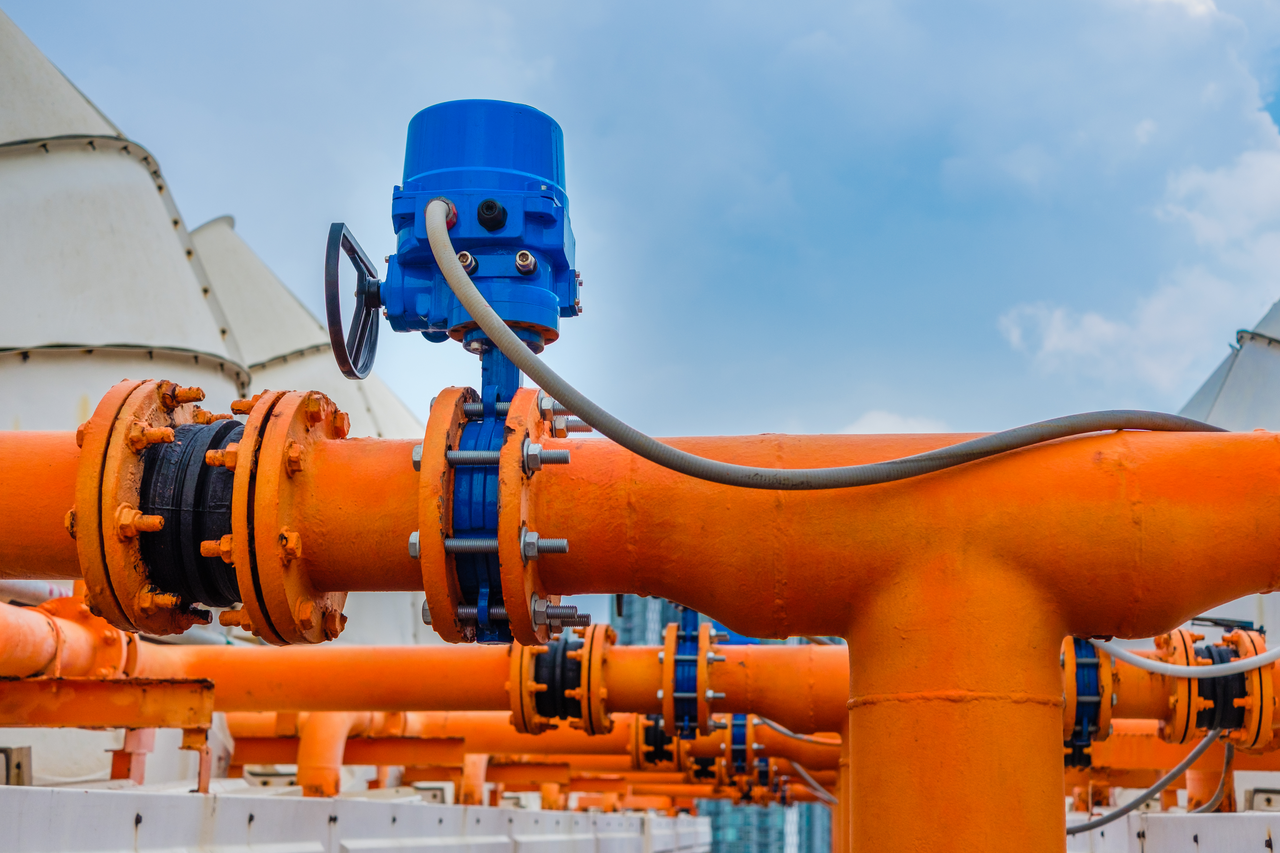
Butterfly valves are widely used for on-off or regulating services due to their lightweight construction, small installation footprint, cost-effectiveness, quick operation, and availability in large valve sizes. These valves can be operated manually by a handle or gear, or by an automatic actuator.
Uses:
Butterfly valves regulate flow by starting, slowing or stopping the medium. The disc rotates at a low torque of 90 degrees to open and close for any compatible application. Butterfly valves are generally preferred over other types of valves due to their lower cost and lighter weight.
Butterfly valves can be used in a wide range of applications. They perform well in high-volume water applications and mud applications. Here are some typical applications of butterfly valves:
- Water treatment plants
- Chemical processing
- HVAC systems
- Food and beverage processing
- Pharmaceutical processing
- Marine and offshore drilling
Types:
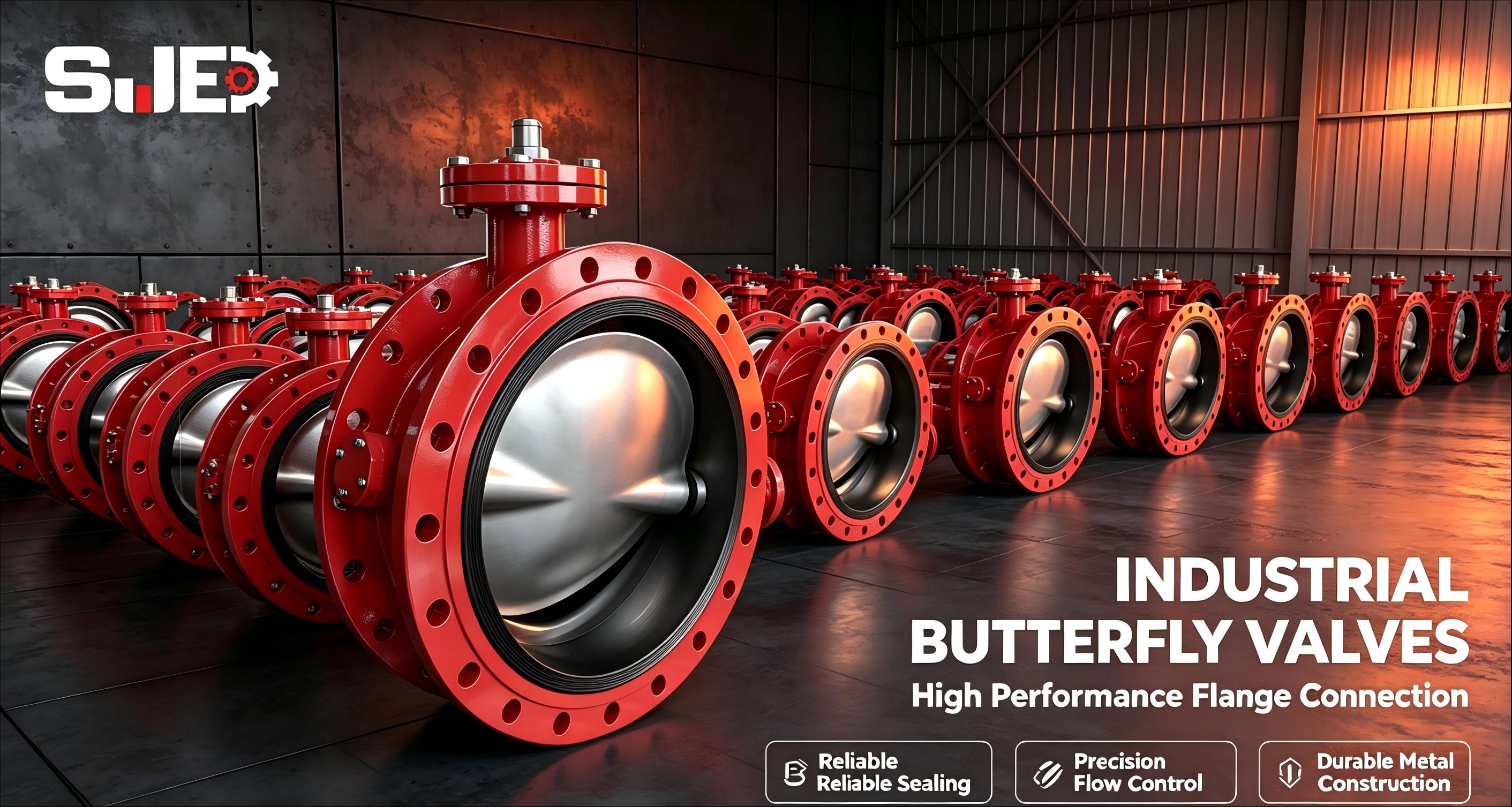
There are 3 main categories of butterfly valves: Rubber-lined, Plastic-lined, and Metal.