Butterfly Valve Comprehensive Guide: Selection Comparison, Features, Working Principle
Butterfly Valve Comprehensive Guide: Selection Comparison, Features, Working Principle
1.Introduction
2.Leading Butterfly Valve Manufacturers
3.Q1: Butterfly Valve VS Gate Valve — What Are the Core Differences and How to Make Reasonable Selection?
4.Q2: Butterfly Valve VS Ball Valve — What Are the Scenario Differences and Performance Advantages?
5.Q3: What Are the Core Performance Characteristics of Butterfly Valves?
6.Q4: What Is the Working Principle and Core Structure of a Butterfly Valve?
7.Conclusion &FAQ
Butterfly Valve Comprehensive Guide: Selection Comparison, Features, Working Principle
Introduction
In industrial fluid control systems, municipal water supply and drainage, HVAC, fire protection, oil and gas, and chemical engineering projects, valves serve as core equipment for medium flow regulation, pressure stabilization, and pipeline cut-off. The overall performance and durability of piping systems largely depend on the quality and adaptability of the selected valves.
Among various mainstream valve types, butterfly valves stand out in global engineering applications due to their compact structure, fast switching speed, flexible flow adjustment, cost-effectiveness, and wide caliber adaptability. They have become one of the most widely used general-purpose valves for conventional fluid control scenarios.
Based on technical data and customer selection logic from mainstream international valve competitor websites, most engineers and procurement personnel face confusion in distinguishing the application boundaries between butterfly valves and other valves, as well as insufficient understanding of their structural advantages and working principles. To solve common selection pain points, this article adopts a professional Q&A format to comprehensively analyze butterfly valve comparison advantages, core performance characteristics, and structural working principles. Each section is supplemented with professional technical summaries from SJ, providing authoritative reference support for global project procurement, engineering design, and working condition matching.

Leading Butterfly Valve Manufacturers
-Emerson, owner of Keystone, is a top‑tier global valve supplier. Its API 609 butterfly valves, including resilient‑seated and triple‑offset models, serve oil & gas, power and water industries with reliable actuator‑valve integrated solutions worldwide.
-KITZ is a famous Japanese valve manufacturer. It provides diversified butterfly valves with stable quality for water supply, HVAC and chemical industries, delivering cost‑effective quarter‑turn flow‑control solutions across the globe.
-Neway Valve is a leading Chinese industrial‑valve exporter. It produces wafer, lug and triple‑offset butterfly valves conforming to API 609, widely used in petrochemical, power‑plant and offshore projects.
-SJ Valve SRL specializes in high‑performance triple‑offset butterfly valves ranging from 1/2''‑48'', Class 150LB‑1500LB to API 609. Its metal‑seated valves are designed for high‑pressure, high‑temperature oil‑gas and petrochemical applications.
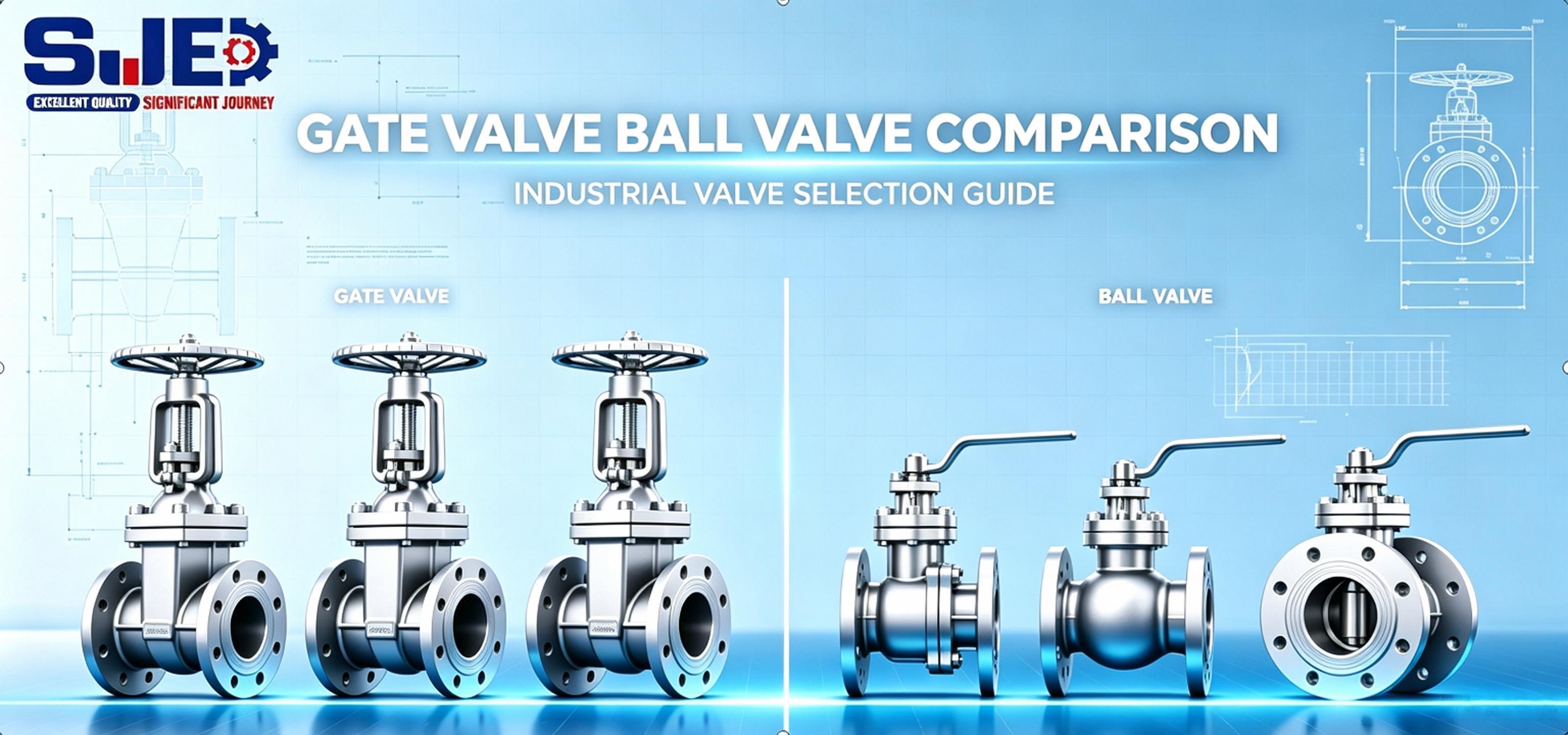
Q1: Butterfly Valve VS Gate Valve — What Are the Core Differences and How to Make Reasonable Selection?
A: Butterfly valves and gate valves are both typical shut-off valves in pipeline systems, capable of realizing full opening and full closing of medium flow. However, they have significant differences in structural design, operating performance, installation conditions, application scenarios, and comprehensive cost, with clear selection boundaries.
The gate valve adopts a lifting gate plate structure. When fully open, the internal flow channel is completely unobstructed with extremely low flow resistance and excellent sealing performance, which can meet high-standard zero-leakage requirements. It is more suitable for small-diameter, high-pressure, and low-frequency switching working conditions that require strict sealing. Nevertheless, gate valves have obvious defects such as large volume, heavy weight, long switching stroke, slow response speed, and inability to adjust flow rate. In large-diameter pipeline projects, gate valves occupy a large amount of installation space with high overall procurement and construction costs, resulting in poor comprehensive economy.