A Comprehensive Guide to Check Valve Functions and Maintenance
2026-01-23
A Comprehensive Guide to Check Valve Functions and Maintenance
A Comprehensive Guide to Check Valve Functions and Maintenance
- Q1 What is the purpose of a check valve?
- Q2 How does a check valve work?
- Q3 What are the maintenance requirements for check valves?
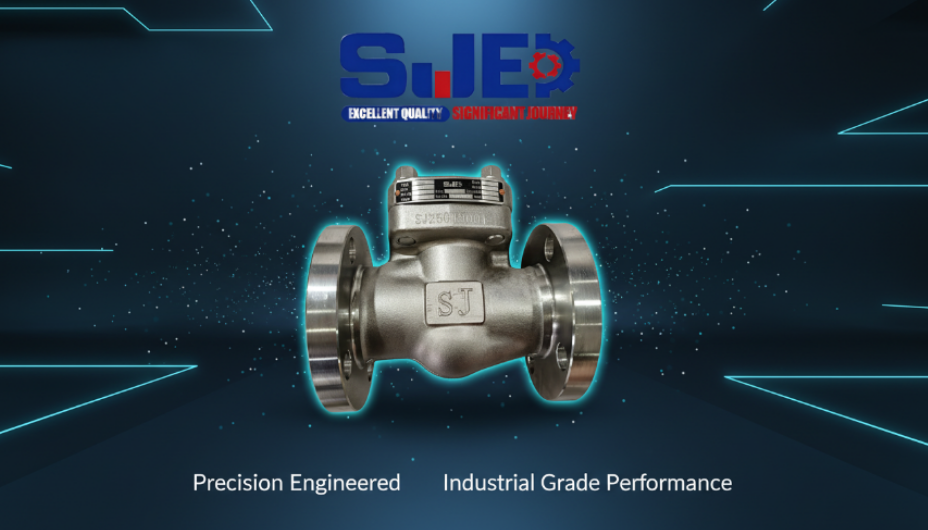
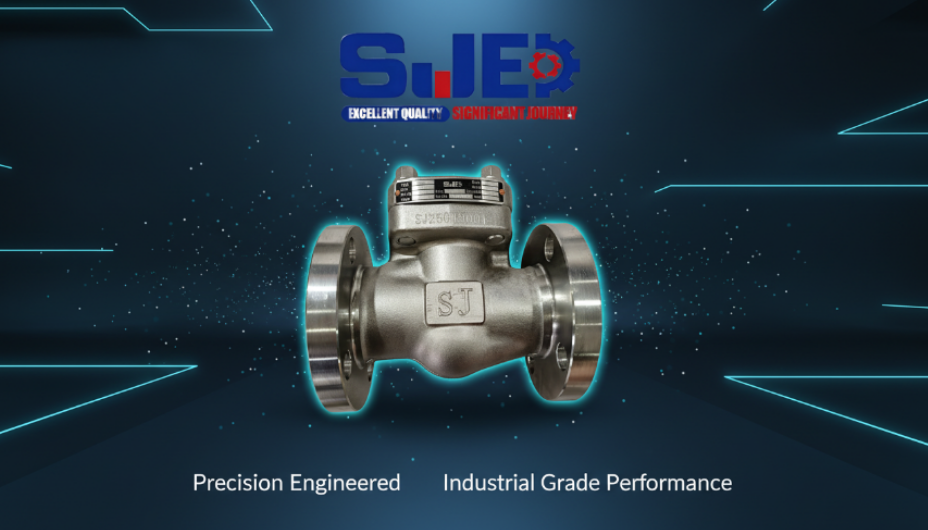
Check valves are common in control applications and are used to ensure that the flow of liquids or gases is unidirectional. To achieve this function, check valves typically have two ports: one for fluid entry and another for fluid exit. This article will explore the main functions of check valves in industry, their applications in various systems, and how they differ from one-way valves.
Q1 What is the purpose of a check valve?
Preventing Backflow
The primary function of a check valve is to prevent fluid backflow. This protects equipment, prevents contamination, helps maintain system pressure, and prevents water hammer.
Preventing Backflow
The primary function of a check valve is to prevent fluid backflow. This protects equipment, prevents contamination, helps maintain system pressure, and prevents water hammer.
Protecting Equipment
Backflow can be devastating to equipment in a system, such as pumps, compressors, and other mechanical components. When fluid flows in the wrong direction, it can cause excessive wear, damage seals, and even lead to system failure. Check valves act as a safety device to protect this equipment from the harmful effects of backflow.
Backflow can be devastating to equipment in a system, such as pumps, compressors, and other mechanical components. When fluid flows in the wrong direction, it can cause excessive wear, damage seals, and even lead to system failure. Check valves act as a safety device to protect this equipment from the harmful effects of backflow.
Preventing Contamination
In systems involving different fluids, backflow can lead to the accidental mixing of these fluids. This contamination can be disastrous for industries that require high fluid purity, such as food processing or pharmaceuticals. Check valves are used to prevent treated water, chemicals, or other substances from flowing back and mixing with untreated or incompatible fluids.
In systems involving different fluids, backflow can lead to the accidental mixing of these fluids. This contamination can be disastrous for industries that require high fluid purity, such as food processing or pharmaceuticals. Check valves are used to prevent treated water, chemicals, or other substances from flowing back and mixing with untreated or incompatible fluids.
Maintaining System Pressure
Check valves also help maintain system pressure by preventing fluid loss due to backflow. This is an important function for applications that require stable pressure, such as HVAC and irrigation systems.
Check valves also help maintain system pressure by preventing fluid loss due to backflow. This is an important function for applications that require stable pressure, such as HVAC and irrigation systems.
Preventing Water Hammer
Check valves are also an important tool in helping to mitigate water hammer. Water hammer is caused by a sudden surge in water pressure in a pipe, often occurring after a sudden change in fluid direction, a sudden burst after a pipe blockage, or the sudden closing of a valve in a piping system. With a check valve installed, when the valve closes, the fluid flow rate slows down more smoothly, dissipating the kinetic energy of the moving liquid. This energy dissipation helps mitigate the effects of water hammer.
Check valves are also an important tool in helping to mitigate water hammer. Water hammer is caused by a sudden surge in water pressure in a pipe, often occurring after a sudden change in fluid direction, a sudden burst after a pipe blockage, or the sudden closing of a valve in a piping system. With a check valve installed, when the valve closes, the fluid flow rate slows down more smoothly, dissipating the kinetic energy of the moving liquid. This energy dissipation helps mitigate the effects of water hammer.

SJ Valve deeply understands the critical role each check valve plays in complex piping systems. We not only provide high-quality one-way protection solutions but are also committed to reducing system energy consumption and maintenance costs through precision engineering. Choosing SJ Valve means installing an unbreakable automated safety barrier for your pump sets and process flows, ensuring that every drop of fluid performs its intended function without any worries.
Q2 How does a check valve work?
Essentially, a check valve is a self-actuating safety device. It doesn't require a handwheel, lever, or electric power, but relies entirely on the pressure difference of the fluid itself to operate.
1. Opening Phase: Overcoming the Opening Pressure: When the fluid flows in the predetermined direction, the upstream pressure pushes the internal valve disc. When this pressure exceeds the cracking pressure (the minimum pressure required to overcome the weight of the valve disc or the spring tension), the valve disc lifts off the seat, allowing fluid to pass through.
2. Closing Phase: Instantaneous Backflow Prevention: When the flow weakens or the pump stops operating, the downstream pressure begins to exceed the upstream pressure. At this point, the valve disc quickly returns to its original position.
Essentially, a check valve is a self-actuating safety device. It doesn't require a handwheel, lever, or electric power, but relies entirely on the pressure difference of the fluid itself to operate.
1. Opening Phase: Overcoming the Opening Pressure: When the fluid flows in the predetermined direction, the upstream pressure pushes the internal valve disc. When this pressure exceeds the cracking pressure (the minimum pressure required to overcome the weight of the valve disc or the spring tension), the valve disc lifts off the seat, allowing fluid to pass through.
2. Closing Phase: Instantaneous Backflow Prevention: When the flow weakens or the pump stops operating, the downstream pressure begins to exceed the upstream pressure. At this point, the valve disc quickly returns to its original position.
Physical Assistance: Relying on gravity or the force of a built-in spring, the valve disc approaches the valve seat before the fluid actually begins to flow backward.
Tight Seal: Once the medium attempts to flow backward, the reverse pressure it generates presses the valve disc tightly against the valve seat. The greater the pressure, the tighter the seal, effectively eliminating the water hammer effect.

SJ Valve's perspective: Imagine a check valve as a one-way non-return valve in a piping system. It ensures that energy and media are only transported in the target direction, preventing system collapse caused by backflow.
Q3 What are the maintenance requirements for check valves?
Although check valves are known for their durability and low maintenance, regular maintenance checks are crucial to ensure 100% reliability when needed.
1. Debris Removal: Preventing Incomplete Closure The most common cause of check valve failure is the accumulation of debris from the medium on the valve seat.
Maintenance Solution: Regularly disassemble the valve cover and clean the internal cavity. Even small particles or welding slag can prevent the valve disc from fully reseating, leading to media leakage.
Although check valves are known for their durability and low maintenance, regular maintenance checks are crucial to ensure 100% reliability when needed.
1. Debris Removal: Preventing Incomplete Closure The most common cause of check valve failure is the accumulation of debris from the medium on the valve seat.
Maintenance Solution: Regularly disassemble the valve cover and clean the internal cavity. Even small particles or welding slag can prevent the valve disc from fully reseating, leading to media leakage.
2. Seal and Sealing Ring Inspection: Whether rubber or metal hard seals, wear will occur over time due to use, media erosion, or chemical environment.
Maintenance Recommendation: A visual inspection is recommended every 6 to 12 months. If the sealing ring is found to be hardened, deformed, or cracked, it should be replaced promptly.
3. Spring Performance Testing: For spring-assisted check valves, the reliability of the spring directly determines the valve's response speed.
Maintenance Key Point: Check if the spring has lost its elasticity due to long-term compression or has broken due to corrosion. A failed spring will cause delayed closure.
4. Hinge and Pin Lubrication: For large swing check valves, the external hinge pins need to remain flexible.
Maintenance Procedure: Ensure that the pins are not seized by rust or dirt, and apply a suitable amount of lubricant if necessary to ensure smooth valve disc movement.


SJ Valve always adheres to rigorous manufacturing standards to simplify your maintenance process. Our check valves are designed with ease of maintenance and long-term reliability in mind, minimizing component wear through the selection of high-quality corrosion-resistant materials and optimized internal structure.