A Comprehensive Guide to Chemical Pumps
A Comprehensive Guide to Chemical Pumps
A Comprehensive Guide to Chemical Pumps: Types, Applications, and Benefits
Employed in diverse industrial sectors such as pharmaceuticals, agriculture, manufacturing, and water treatment, chemical pumps are essential for the transportation of liquids, chemicals, and various other materials. Their design is tailored to the unique requirements of the chemical industry, prioritizing safety and accuracy.

What is a Chemical Pump?
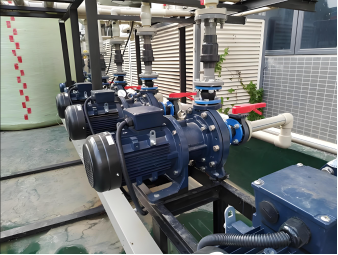
A chemical pump is a type of pump designed to handle and transfer chemicals, corrosive fluids, and other hazardous materials. These pumps are designed to withstand the harsh chemical environments of the chemical industry, where safety is the primary concern.
How Do Chemical Pumps Work?
Chemical pumps work by creating pressure to move the liquid or chemical from one place to another. The pressure can be created in several ways, depending on the type of chemical pump used. Most chemical pumps use impellers or rotors to create the pressure needed to move the chemical.

Types of Chemical Pumps
Chemical pumps can be categorized into different types based on their design, construction, and operating principles. Here are the most common types of chemical pumps:
Centrifugal Pumps
Centrifugal pumps are the most widely used type of chemical pump across different industries. They operate by using a rotating impeller to turn kinetic energy into fluid flow, moving liquid to the discharge outlet. Known for being reliable, efficient, and cost-effective, these pumps are best suited for liquids with low to medium viscosity and minimal solids.
Diaphragm Pumps
Diaphragm pumps are a type of positive displacement pump that uses a flexible diaphragm to move fluids. By creating a back-and-forth motion, the diaphragm creates a vacuum to pull fluid in and then pushes it out. These pumps are perfect for fluids with high solid content or for applications needing a gentle pumping action.
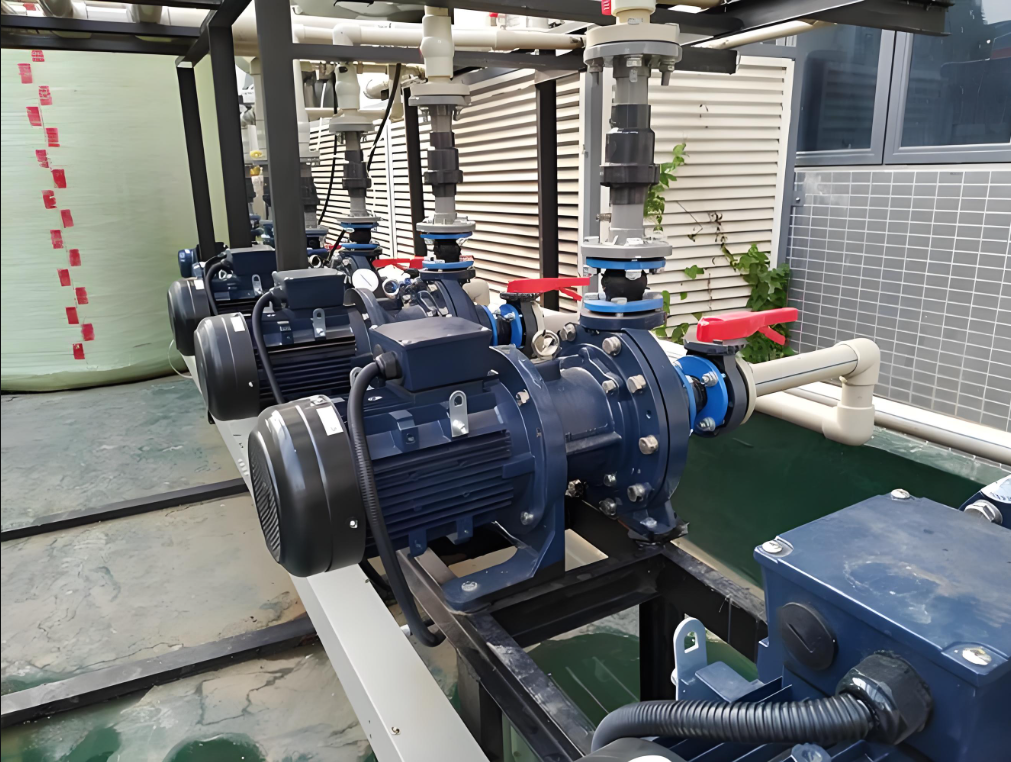
Magnetic Drive Pumps
Also referred to as mag-drive pumps, magnetic drive pumps transfer fluids through a magnetic coupling, which means there is no physical connection between the motor and the pump. Their mechanism involves generating a magnetic field that drives the impeller, thereby moving the fluid. They are the ideal solution for pumping hazardous and corrosive fluids or for applications demanding a leak-free system.
Gear Pumps
Using a pair of meshed gears, gear pumps function as a positive displacement pump to transfer liquids. They work by trapping the fluid between the gear teeth and the pump casing, which then carries it to the discharge point. This design makes them well-suited for transferring low-to-medium viscosity fluids and for applications demanding a high flow rate.
Progressive Cavity Pumps
Using a helical rotor and a stator, progressive cavity pumps transfer fluids. They operate by creating a sealed cavity between the rotor and the stator, which effectively pushes the fluid to the discharge point. These pumps are great for handling highly viscous and abrasive liquids and are also a good option when a gentle pumping action is needed.