Gate Valve vs Knife Gate Valve – What’s the Difference

2024-06-18
Gate Valve vs Knife Gate Valve – What’s the Difference
When it comes to piping, manufacturing, or other industrial applications, the type of valve used can have a significant impact on the success of the project. Two popular valve types are gate valves and knife gate valves. Both are useful in different situations, and each approach has specific advantages. Let's explore the differences between these two types of valves.
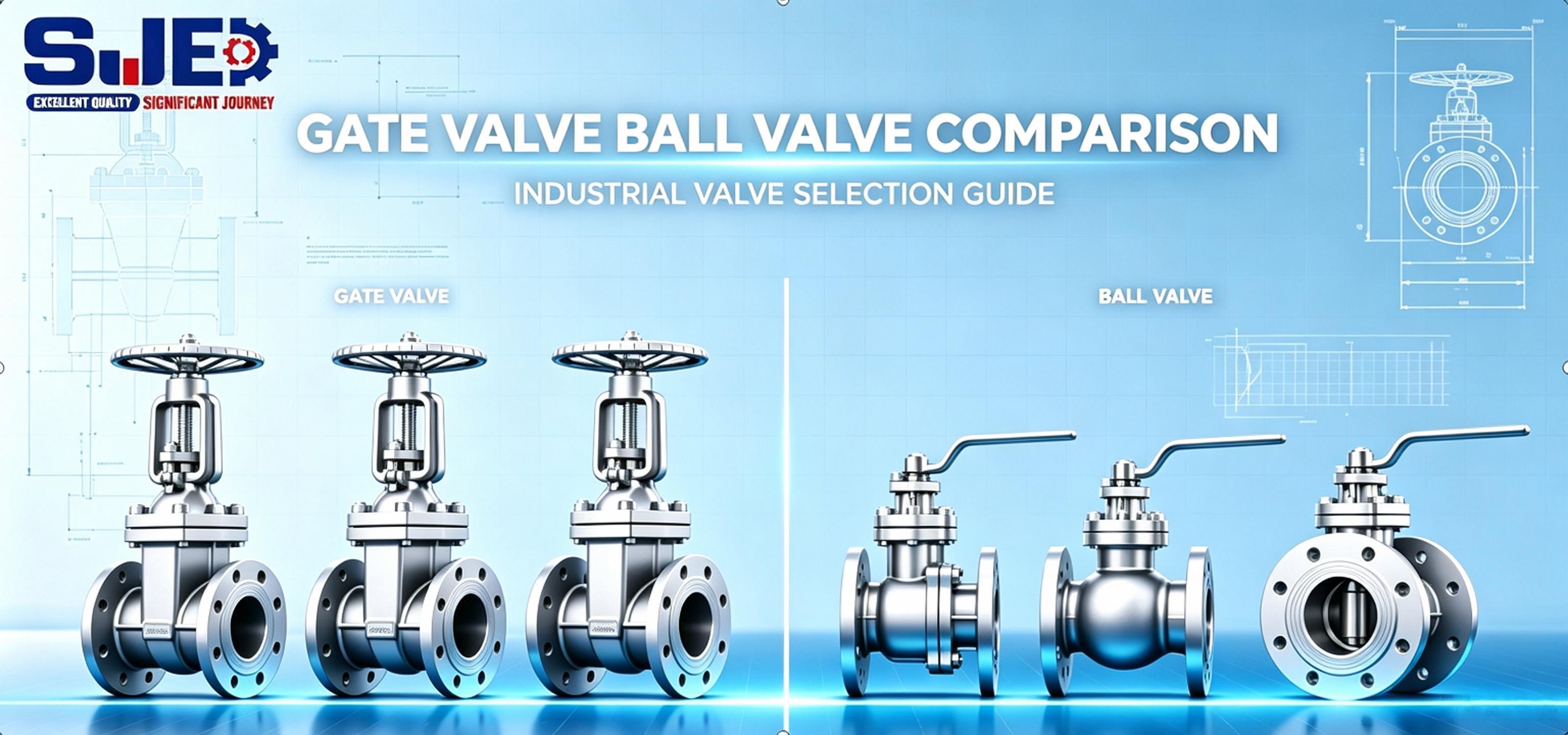
The main difference between a gate valve and a knife gate valve is their structure and the way they operate. A gate valve has a rectangular or square closure element that moves up and down to open and close the valve, and it is suitable for high-pressure applications.
In contrast, a knife gate valve has a disc that slides in and out of the valve body, which allows it to cut through liquids or slurry that contain solids. Knife gate valves are commonly used in applications where high flow capacity or isolation of abrasive media are required.
Another significant difference is their sealing mechanism. A gate valve usually uses a metal-to-metal or soft-seated sealing mechanism, while knife gate valves use soft-seated seals or metal-to-metal sealing to prevent leakage.
Lastly, gate valves are designed for general-purpose applications, while knife gate valves are suitable for applications where a tight seal is required, and there is a potential for solid buildup or clogging.
Gate valves and knife gate valves are both types of valves used in various industries to control the flow of fluids. However, there are some key differences between the two.
1. Closure mechanism: Gate valves use a rectangular or square gate that slides up and down to open and close the valve. Knife gate valves, on the other hand, use a blade that cuts through the fluid to open and close the valve.
2. Application: Gate valves are used in high-pressure applications and are suitable for handling liquids and gases. Knife gate valves are best suited for handling viscous fluids, slurries, and solids, as they are designed to cut through these materials.
3. Size: Gate valves can be made in larger sizes, up to 48 inches in some cases. Knife gate valves, however, are typically smaller and are commonly used in sizes up to 24 inches.
4. Leakage: Gate valves use a metal-to-metal or soft-seated sealing mechanism to prevent leakage, while knife gate valves use a soft-seated seal or metal-to-metal sealing mechanism.
5. Maintenance: Gate valves are generally easier to maintain than knife gate valves, as they do not have any sharp blades that can become dull or damaged over time.
In summary, gate valves are designed for high-pressure applications and handle liquids and gases, while knife gate valves are designed for handling viscous fluids, slurries, and solids. The choice between the two depends on the specific application and the fluids being handled.