What is DBB Valve?
2024-08-08
What is DBB Valve?
What is DBB Valve?
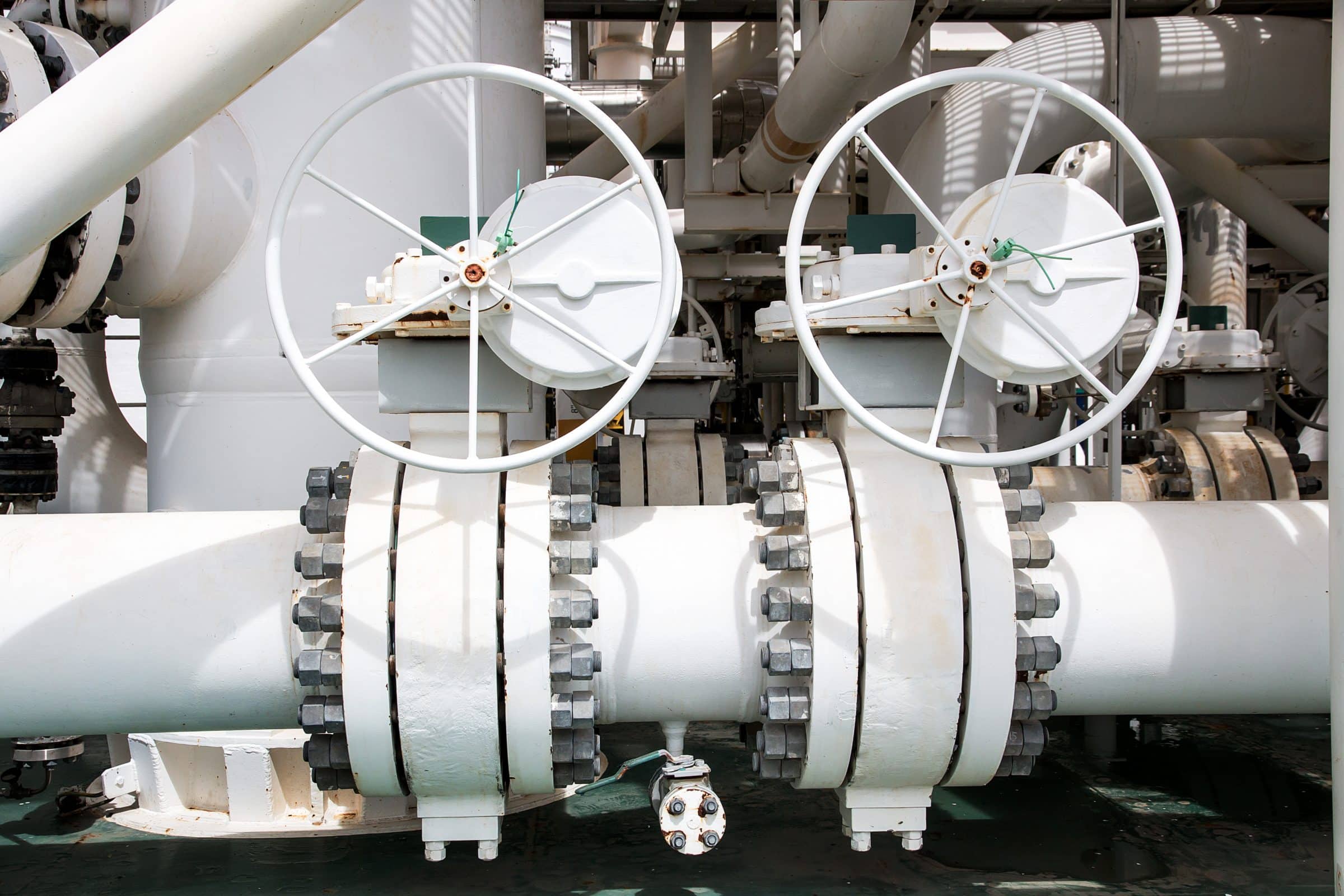
A double block and bleed (DBB) valve is a type of isolation valve that provides two separate sealing mechanisms and a means to vent or bleed the cavity between the sealing mechanisms to safely isolate and contain fluids. This valve is often used in oil and gas applications to prevent cross-contamination and provide a safer and more efficient way to isolate pipeline sections for maintenance or repair. DBB valves come in various types and configurations, such as ball valves, gate valves, and needle valves.SJ as a api 6d ball valve factory, our ball valves strictly comply with api602, ce italy and api 608 standards
Types of Double Block and Bleed Valves
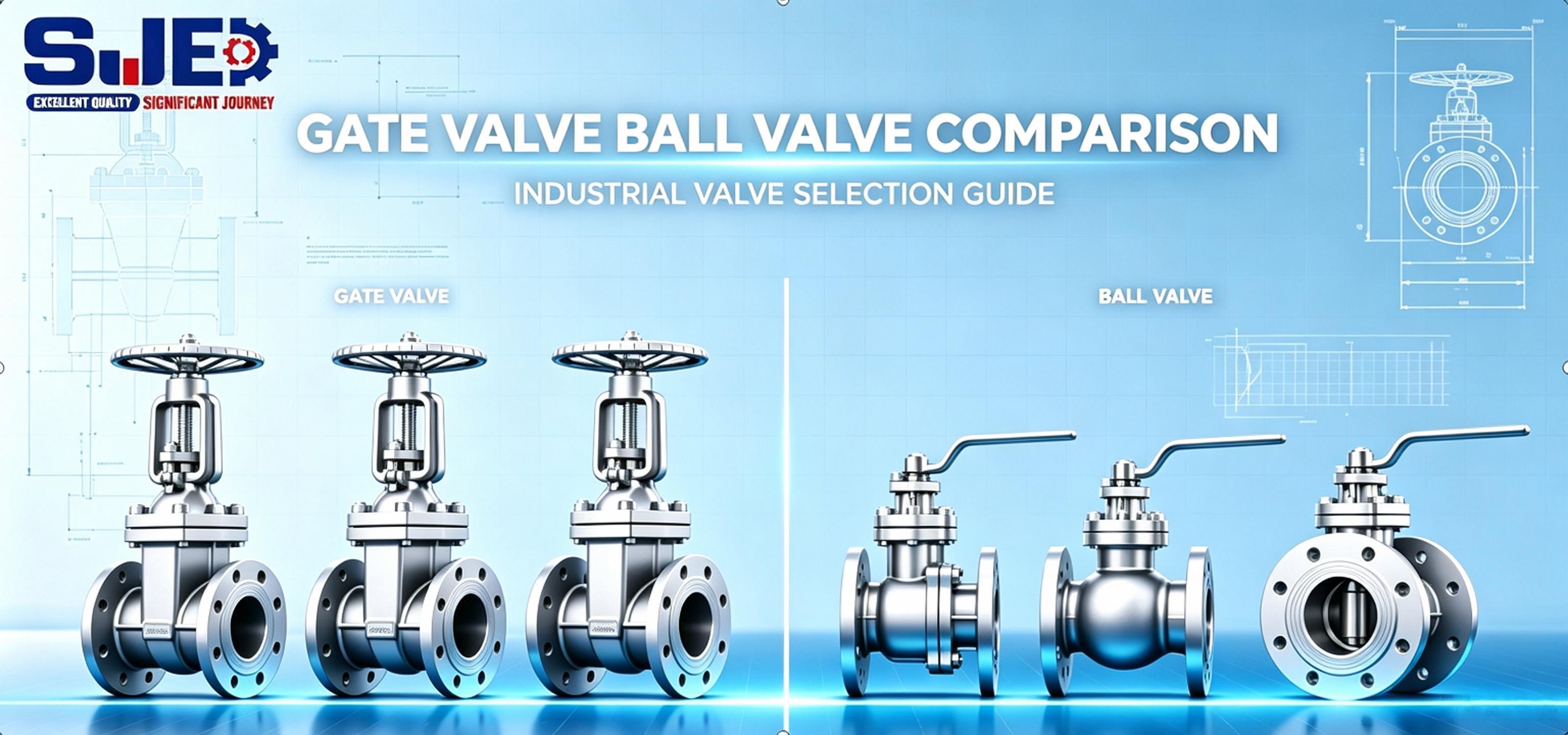
1. Ball Valves: A ball valve consists of a floating ball that rotates on an axis to control the flow and direction of the fluid. It is a common type of DBB valve because of its ease of use, high flow capacity, and reliable dual sealing system.
2. Gate Valves: A gate valve utilizes a wedge-shaped gate to regulate the fluid flow. The gate is either fully open or closed to control the fluid flow, providing a tight seal on both sides of the valve.
3. Needle Valves: A needle valve is a type of DBB valve that operates on a screw-like plunger, controlling the flow of liquids or gases through a small passageway. It is ideal for regulating precise flow rates that require accurate adjustments.
4. Compact DBB Valves: A compact DBB valve is a space-saving option that combines two isolation valves with a bleed valve and a drain valve. This type of valve is best suited for applications that require a tight space constraint.
5. Dual Expanding Plug Valves: A dual expanding plug valve provides a bubble-tight seal and is often used in liquid or gas service and certain process lines. It features a symmetrical, independent design for easy maintenance and comes in various sizes to accommodate different pipeline sizes.
Overall, the choice of the type of DBB valve depends on the application requirements, expected pressures, and temperatures, as well as other factors such as maintenance and safety.
2. Gate Valves: A gate valve utilizes a wedge-shaped gate to regulate the fluid flow. The gate is either fully open or closed to control the fluid flow, providing a tight seal on both sides of the valve.
3. Needle Valves: A needle valve is a type of DBB valve that operates on a screw-like plunger, controlling the flow of liquids or gases through a small passageway. It is ideal for regulating precise flow rates that require accurate adjustments.
4. Compact DBB Valves: A compact DBB valve is a space-saving option that combines two isolation valves with a bleed valve and a drain valve. This type of valve is best suited for applications that require a tight space constraint.
5. Dual Expanding Plug Valves: A dual expanding plug valve provides a bubble-tight seal and is often used in liquid or gas service and certain process lines. It features a symmetrical, independent design for easy maintenance and comes in various sizes to accommodate different pipeline sizes.
Overall, the choice of the type of DBB valve depends on the application requirements, expected pressures, and temperatures, as well as other factors such as maintenance and safety.
Pros and Cons of Double Block & Bleed Ball Valves
Pros of Double Block & Bleed Ball Valves:
1. High Flow Capacity: Ball valves offer a wide range of sizes and have high flow rates. They are suitable for handling viscous and abrasive fluids.
2. Dual-Sealing System: The double block and bleed design of ball valves ensures a dual-sealing system for added safety and improved sealing performance, preventing leaks or contamination.
3. Easy to Operate: Ball valves are easy to operate, requiring only a quarter-turn of the handle to open or close the valve.
4. Minimal Pressure Drop: Ball valves offer minimal pressure drop across the valve, allowing for consistent and precise flow control.
5. Corrosion-resistant: Ball valves can be made from a range of material options, including stainless steel and alloy, making them ideal for corrosive environments.
Cons of Double Block & Bleed Ball Valves:
1. Limited Temperature Range: Ball valves are generally unsuitable for high-temperature or cryogenic applications due to material limitations.
2. High Cost: Ball valves may be more expensive compared to other types of isolation valves, especially for larger sizes.
3. Reduced Control: Ball valves are not ideal for throttling applications, as they lack fine-tuned control and may cause premature failure.
4. Limited Durability: Ball valves could be prone to wear and tear of the seat and seals due to the repetitive action of opening and closing, especially with abrasive fluids.
5. Potential for Cavitation: Ball valves could result in cavitation, especially when the valve is partially open, resulting in damage to the sealing surfaces.
1. High Flow Capacity: Ball valves offer a wide range of sizes and have high flow rates. They are suitable for handling viscous and abrasive fluids.
2. Dual-Sealing System: The double block and bleed design of ball valves ensures a dual-sealing system for added safety and improved sealing performance, preventing leaks or contamination.
3. Easy to Operate: Ball valves are easy to operate, requiring only a quarter-turn of the handle to open or close the valve.
4. Minimal Pressure Drop: Ball valves offer minimal pressure drop across the valve, allowing for consistent and precise flow control.
5. Corrosion-resistant: Ball valves can be made from a range of material options, including stainless steel and alloy, making them ideal for corrosive environments.
Cons of Double Block & Bleed Ball Valves:
1. Limited Temperature Range: Ball valves are generally unsuitable for high-temperature or cryogenic applications due to material limitations.
2. High Cost: Ball valves may be more expensive compared to other types of isolation valves, especially for larger sizes.
3. Reduced Control: Ball valves are not ideal for throttling applications, as they lack fine-tuned control and may cause premature failure.
4. Limited Durability: Ball valves could be prone to wear and tear of the seat and seals due to the repetitive action of opening and closing, especially with abrasive fluids.
5. Potential for Cavitation: Ball valves could result in cavitation, especially when the valve is partially open, resulting in damage to the sealing surfaces.