Ball valve VS Gate valve: Choose the most suitable valve for you
Ball valve VS Gate valve: Choose the most suitable valve for you
Ball valve VS Gate valve: Choose the most suitable valve for you
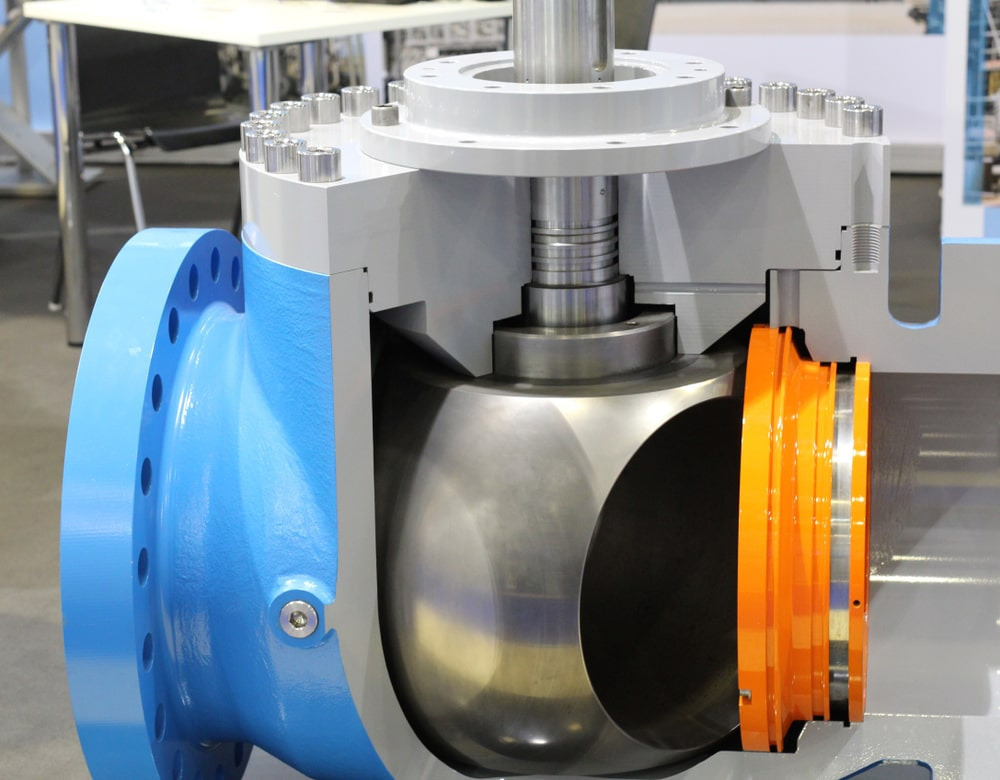
What are ball valves and how do they work?
What are gate valves and how do they work?
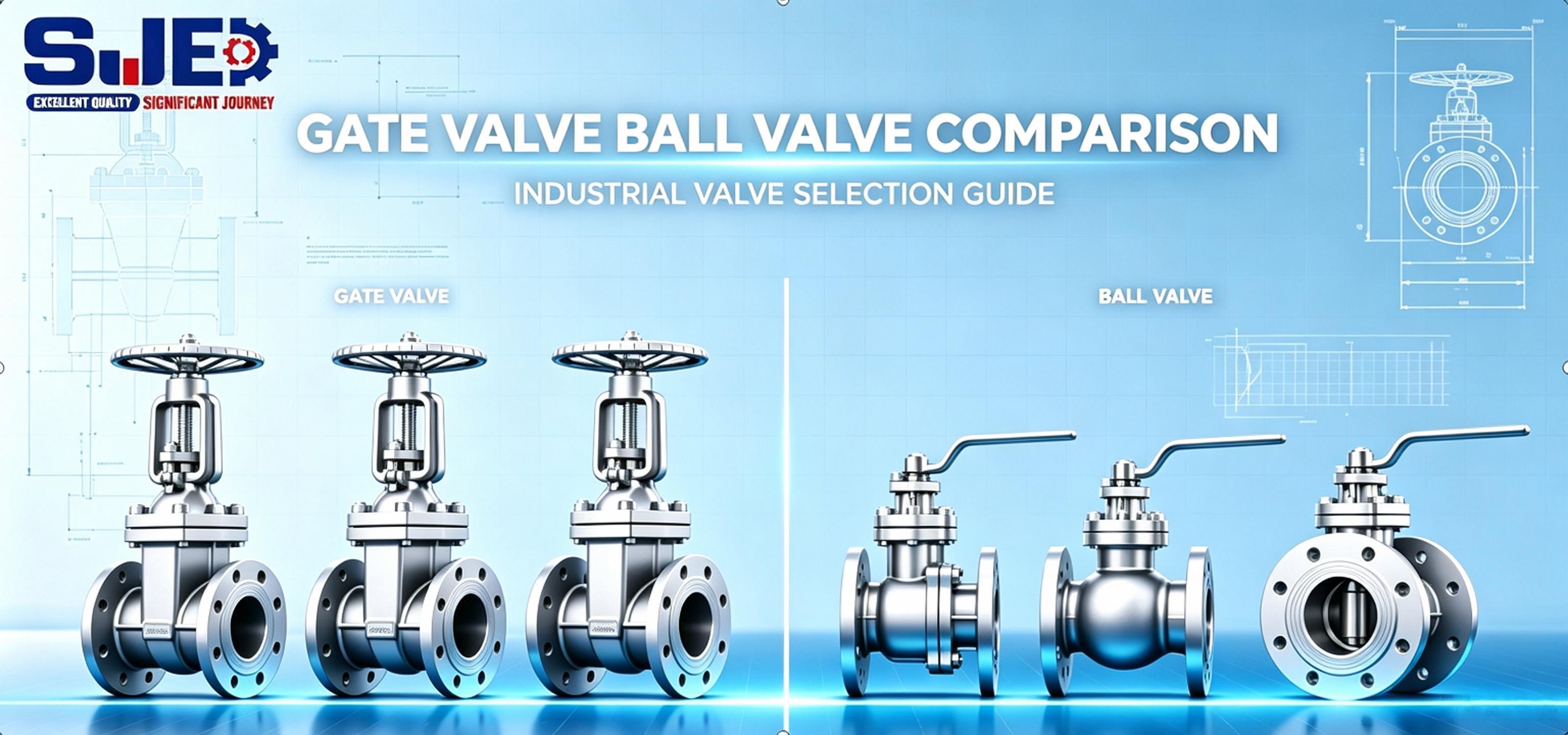
A gate valve controls fluid flow by raising or lowering a gate-like disc within the valve body. This design minimizes resistance when fully open, creating a straight, unimpeded flow path. Because of this, gate valves are best used for on/off applications rather than for regulating flow.
The valve is operated by a multi-turn stem, which requires several rotations to fully open or close. Turning the handwheel causes the gate to move up or down via a threaded mechanism. When the gate moves up, it opens the flow path; when it moves down, it seals against the valve seat to block the flow.
Gate valves are commonly used in systems requiring a clear flow path, such as in water supply, chemical processing, and the oil and gas industries. While they can be used with a non-rising stem for limited-space applications, it's important to note that using them for flow regulation can cause wear and vibration, potentially shortening their lifespan.
Ball valve VS Gate valve
|
Ball Valve |
Gate Valve |
|
|
Shut off mechanism |
Fast shut off with only a quarter turn(90° turn) to close the valve |
Slow shut off as it requires more than a 360° turn to shut off the valve. |
|
Water hammer |
Fast opening and closing may cause water hammer.* |
Slow opening and closing reduces the risk of water hammer.* |
|
Cost |
Typically more expensive than a gate valve of the same specifications. |
Typically cheaper than a ball valve of the same specifications. |
|
Visual detection |
The open or closed state of the valve can be visually detected with the position of the handle. |
Difficult to detect the open or closed state of the valve. |
|
Leakage |
Provides a tight seal even if used after a long period of time. |
More prone to leaks than a ball valve. |
|
Flow Capacity |
Limited flow capacity compared to gate valves |
Larger flow capacity due to straight flow path |
|
Durability |
Durable and less prone to damage |
The valve stem can be prone to corrosion, making the valve less durable. |
|
Installation space |
Requires more space than a gate valve to accommodate for quarter-turn handle. |
Requires relatively less installation space than a ball valve. |
|
Application |
On/off controls for professional industries, including:
Ball valves are also appearing in newer household plumbing systems. |
Shutdown and quarantine services:
Gate valves are commonly found in older household plumbing systems. |