What are API 607 and API 6FA Fire Safety valve?
What are API 607 and API 6FA Fire Safety valve?
What are API 607 and API 6FA Fire Safety valve?
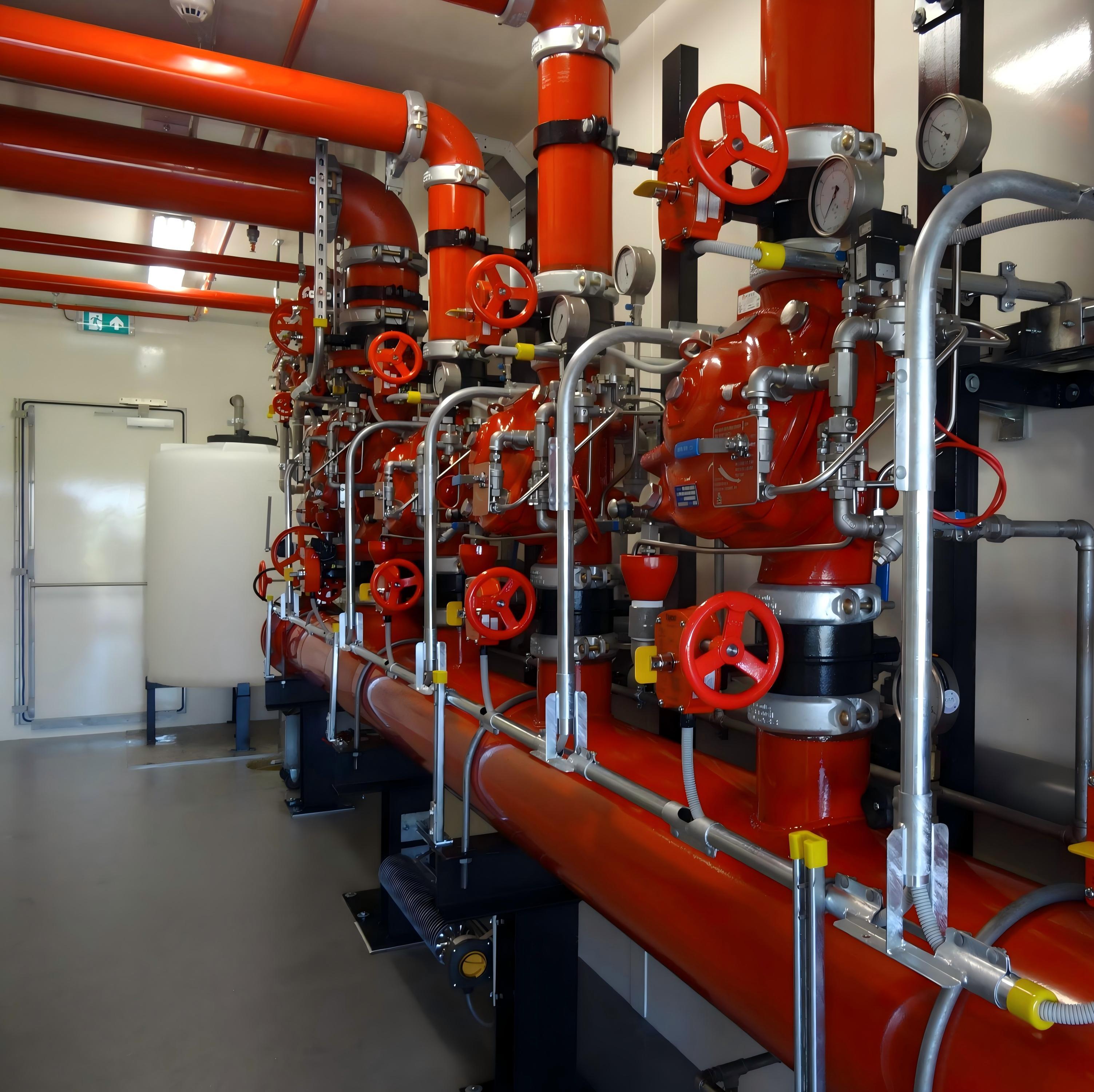
What is a fire safety valve?
Fire valve design
-
Strong materials: Fire valves are made of strong materials and seals that can withstand high temperatures without being damaged.
-
Fail-safe mechanism:
-
Pneumatic actuators: These typically use springs or compressed air to achieve a fail-safe mode. If a power failure or loss of air pressure occurs, the actuator is driven to its fail-safe position by a spring or compressed air.
-
Electric pusher: Many electric pusher include backup batteries to ensure they can be moved to a fail-safe position in the event of a power outage. Some electric thrusters may also use a mechanical spring mechanism similar to a pneumatic design.
-
Manual operation: Manual valves can be integrated into larger systems with fail-safe features. For example, an alarm system can alert personnel to manually operate certain valves in the event of a fire.
-
Temperature protection: The protection system prevents the actuator from overheating, which can lead to seal failure or component deformation. The system is designed to keep the actuator within a safe temperature range during a fire, protecting valve components from extreme heat damage.
Principle of fire test
-
The valve is filled with water and operated in a temperature range of 750-1000°for 30 minutes. This exposes the sealing area and seat to extremely high temperatures. Use thermocouples to continuously monitor heat intensity.
-
External and internal leaks throughout the valve are measured during testing and compared to predetermined levels. If leakage exceeds acceptable limits, there may be an issue with valve integrity, which may not be appropriate for fire safety applications.
-
The valve is cooled after the first test and its bearing capacity is tested to ensure that the seat, seal and housing can maintain their integrity.