What is a Wafer Ball Valve? Working Principle, Application, Advantage
2024-12-27
What is a Wafer Ball Valve? Working Principle, Application, Advantage
What is a Wafer Ball Valve? Working Principle, Application, Advantage
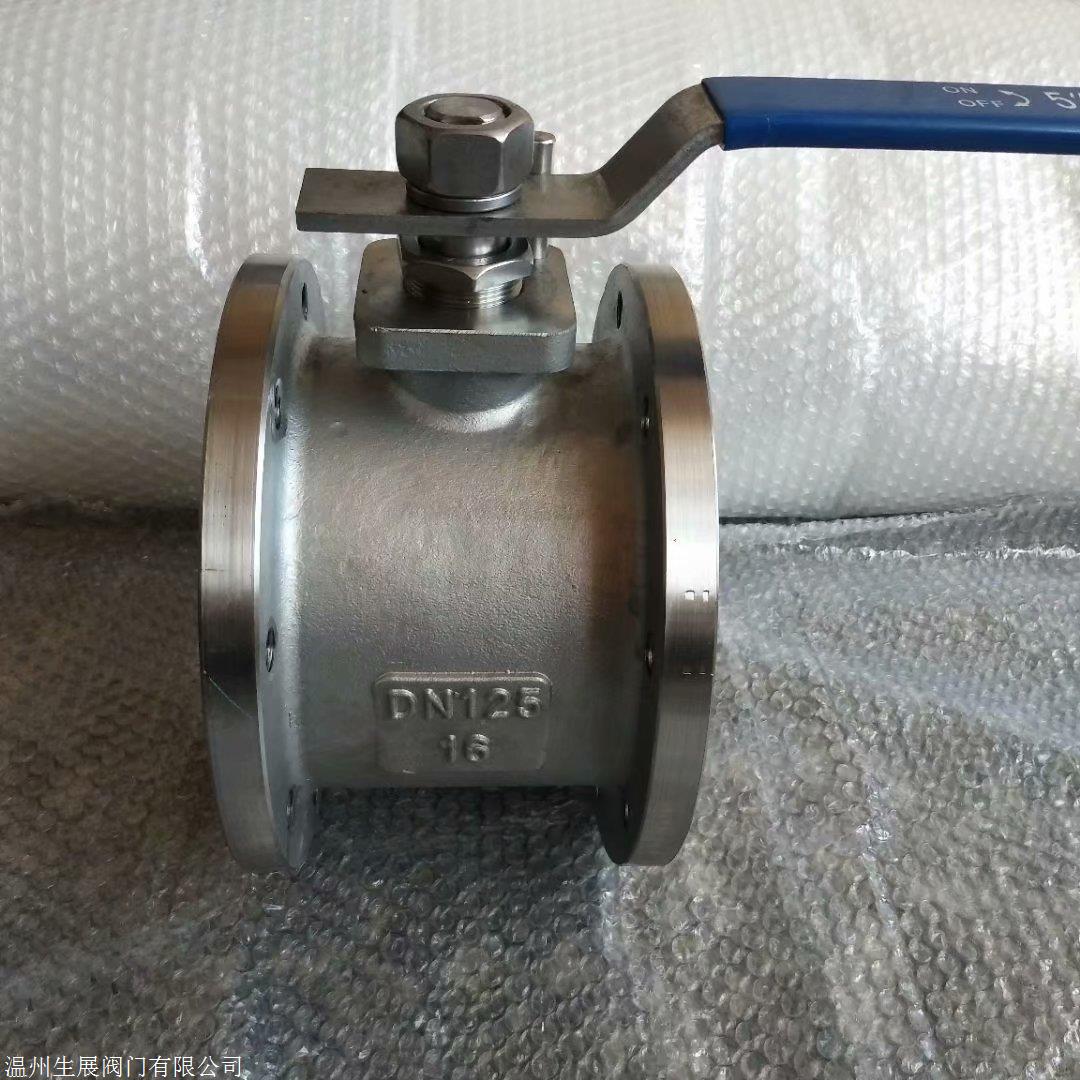
A wafer ball valve is a type of valve designed to be installed between flanges in a piping system. Its lightweight and compact design makes it ideal for applications with limited space or weight. This type of valve requires no additional fittings, thus simplifying installation and maintenance. In addition, because they take up less space and use fewer materials, they represent a more economical and practical alternative to industrial systems.
Working Principle
The working principle is relatively simple, mainly involving the rotation of the spool (ball) to control the fluid flow. The specific process is as follows:
1. Open the valve: When the handle or actuator is rotated, the spool (ball) is rotated 90 degrees to align the valve passage with the pipe passage and allow the fluid to pass freely.
2. Close the valve: by rotating the handle or the actuator in the opposite direction, the spool (ball) rotates and then rotates 90 degrees, so that the valve channel is perpendicular to the pipeline channel, blocking the fluid flow and realizing the closing function.
Difference:wafer ball valve and ordinary ball valve
Structural design
The valve body of the wafer ball valve is designed as a clamp type, meaning the valve is clamped between two sections of pipeline using bolts, eliminating the additional space required by traditional flange connections. Its compact structure, small space requirement for installation, and light weight make it suitable for pipeline systems with limited space.
Conventional ball valves are generally either flanged or threaded. Flanged ball valves have flanges at both ends of the valve body, which are bolted to the pipeline flanges. Threaded ball valves, on the other hand, connect to the pipeline via threads. Compared to wafer ball valves, flanged and threaded ball valves have larger and heavier structures, occupying more space.
Conventional ball valves are generally either flanged or threaded. Flanged ball valves have flanges at both ends of the valve body, which are bolted to the pipeline flanges. Threaded ball valves, on the other hand, connect to the pipeline via threads. Compared to wafer ball valves, flanged and threaded ball valves have larger and heavier structures, occupying more space.
Installation Methods
Installation of wafer ball valves is simple and quick; the valve is clamped between the pipelines and secured with bolts. This design significantly simplifies the installation steps of the valve, saving installation time and costs.
For ordinary ball valves: Flanged ball valves require aligning the valve with the pipeline flange and securing it with bolts, making the installation process more complex. Threaded ball valves require screwing the valve into the pipeline threads, which is also relatively complex. Compared to wafer ball valves, the installation time and costs of ordinary ball valves are higher.
Application Scenarios
Wafer ball valves, due to their compact structure, lightweight, and easy installation, are suitable for pipeline systems with limited space and widely used in municipal water treatment, chemical, pharmaceutical, food industries, and other sectors. They are particularly applicable in situations requiring frequent maintenance and inspection.
On the other hand, ordinary ball valves are known for their robust structure and excellent sealing performance, making them suitable for various industrial pipeline systems, especially in applications requiring high pressure, high temperature, and large flow control. Flanged ball valves are commonly used in industries such as oil and gas, chemical, and power generation, owing to their superior sealing performance and strength. Threaded ball valves, on the other hand, are predominantly used in small-diameter pipeline systems, such as residential and plumbing applications.
Cost
The manufacturing cost of wafer ball valves is relatively low due to the elimination of flange and bolt connection parts, resulting in lower material and processing costs. Its installation and maintenance costs are also lower, making it suitable for projects with limited budgets.
Conversely, the manufacturing cost of ordinary ball valves, especially flanged ball valves, is relatively high because they require more materials and machining processes. Their installation and maintenance costs are also higher. However, their excellent sealing performance and strength meet the high requirements of industrial conditions.