Different types of control valves in industry: Guide to the selection of control valves
Control valves are essential components in many industries where precise control of fluid or gas flow is required. They are designed to regulate the rate, pressure, temperature or level of a substance moving through a system, ensuring it operates within desired parameters. By restricting or enhancing the flow of fluids or gases, control valves enable operators to maintain process stability, optimize performance and achieve desired results.
Control valves direct the flow of gases, steam, water and chemical compounds to compensate for load disturbances and regulate process variables as close as possible to the desired set point. Explore SJ S.R.L portfolio of control valves to discover designs that have been tested for maximum efficiency and meet industry standards.
Main Components and Their Interaction
The valve body is a crucial component that works in tandem with the actuator. The actuator, which can be electric or pneumatic, generates linear or rotational motion to drive the valve's movement. It receives signals from the control system, which monitors the pressure, temperature, or liquid level of fluids or gases in the system. Based on these signals, the control system sends instructions to the actuator, which then adjusts the position of the valve core to achieve the desired flow rate.
Role in Process Control
Control valves maintain process control even in the presence of load disturbances or changes. They respond to changes in process variables by adjusting the flow area to ensure the variables are maintained at the set point. For instance, if the flow rate increases, the control valve will reduce the flow area to control the flow rate and restore it to the desired set point. Likewise, if the flow rate decreases, the control valve will increase the flow area to maintain the desired set point.
Classification of Control Valves
-
Globe valves – Precise Flow Control
Characterized by its spherical body, the globe valve is used primarily for throttling purposes and where precise flow control is required. The internal mechanism consists of a plug or disc that moves perpendicular to the seat, allowing very precise control of flow rate. Its design makes it suitable for applications where fine regulation of flow is required, or where the valve must act as both an on/off isolation valve and a control valve. However, the trade-off for precise control is a higher pressure drop compared to other types of valves.
-
Butterfly valves – Compactness and Versatility
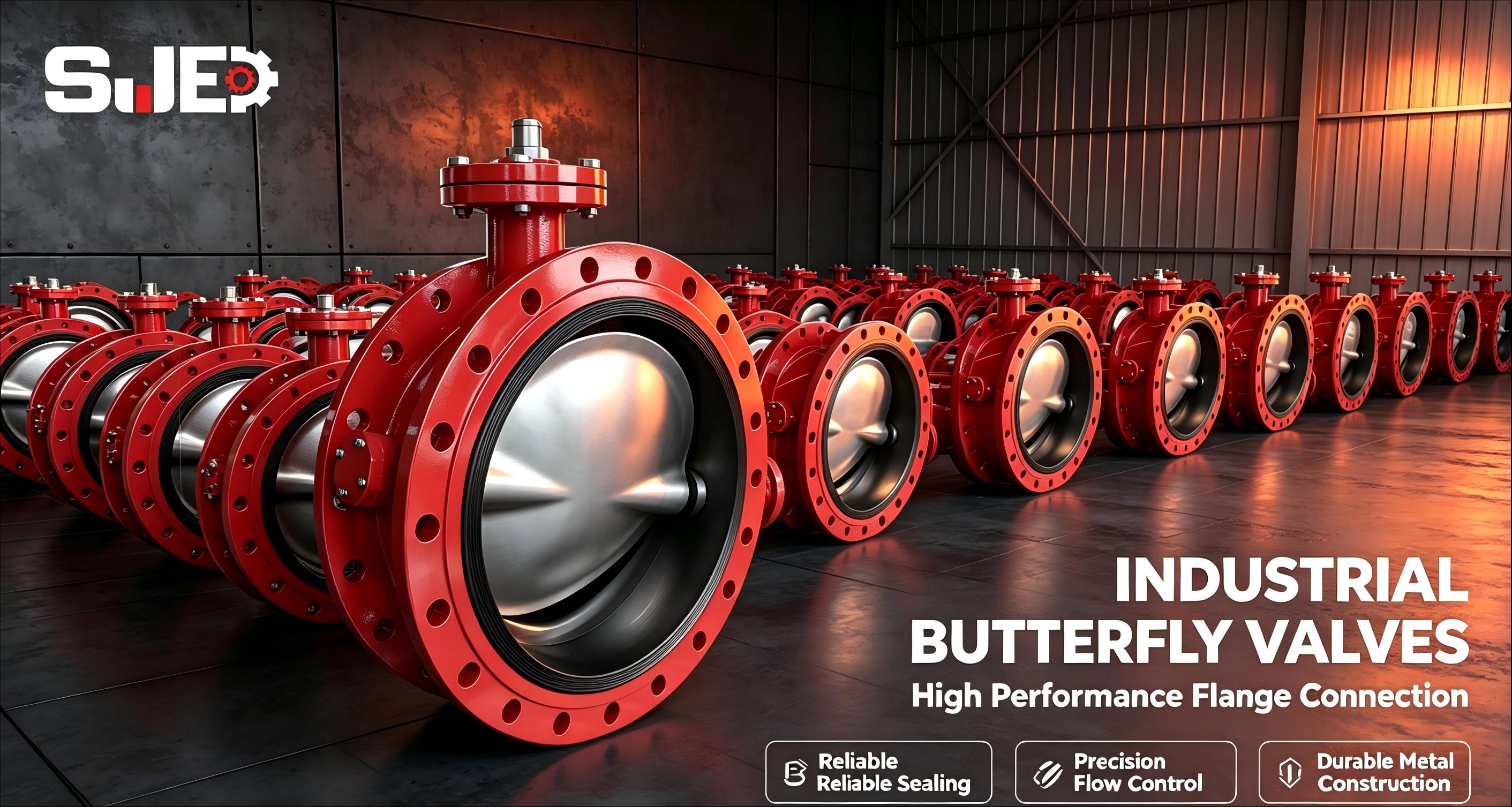
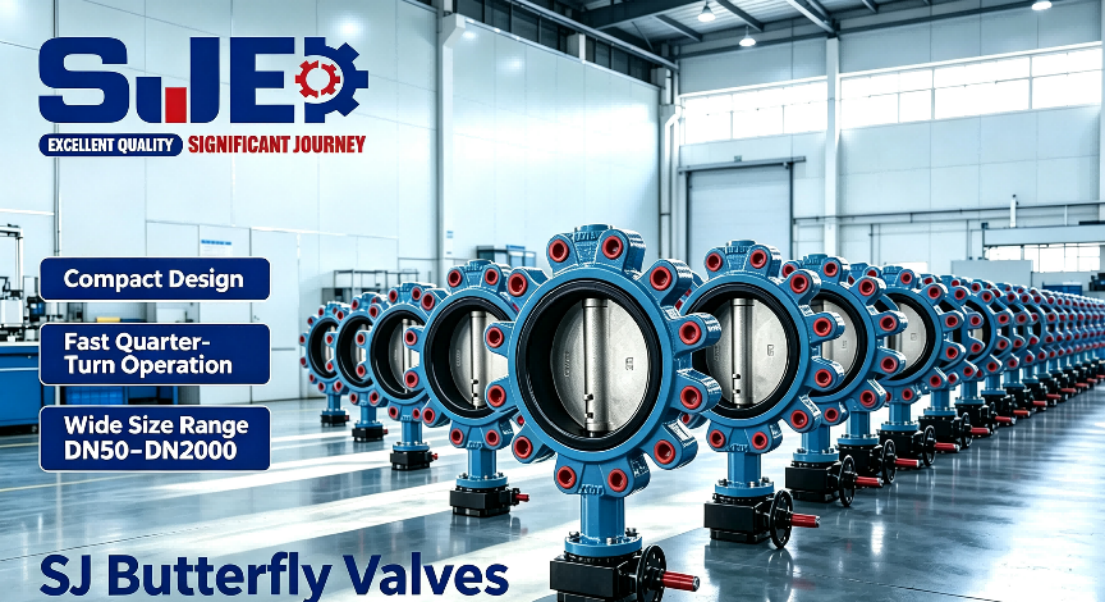
Butterfly valves consist of a disc that rotates on an axis within a valve body, allowing for fast and efficient flow control. Their compact size and low weight make them an attractive choice for space-constrained applications. They can handle a wide range of flow rates and pressures, although they are typically used in low-pressure applications. Butterfly valves are versatile and can be used with a variety of media, including water, air, and gas. They are often used in large-diameter pipes where a compact valve is required.
-
Ball valves – Durability and Reliability
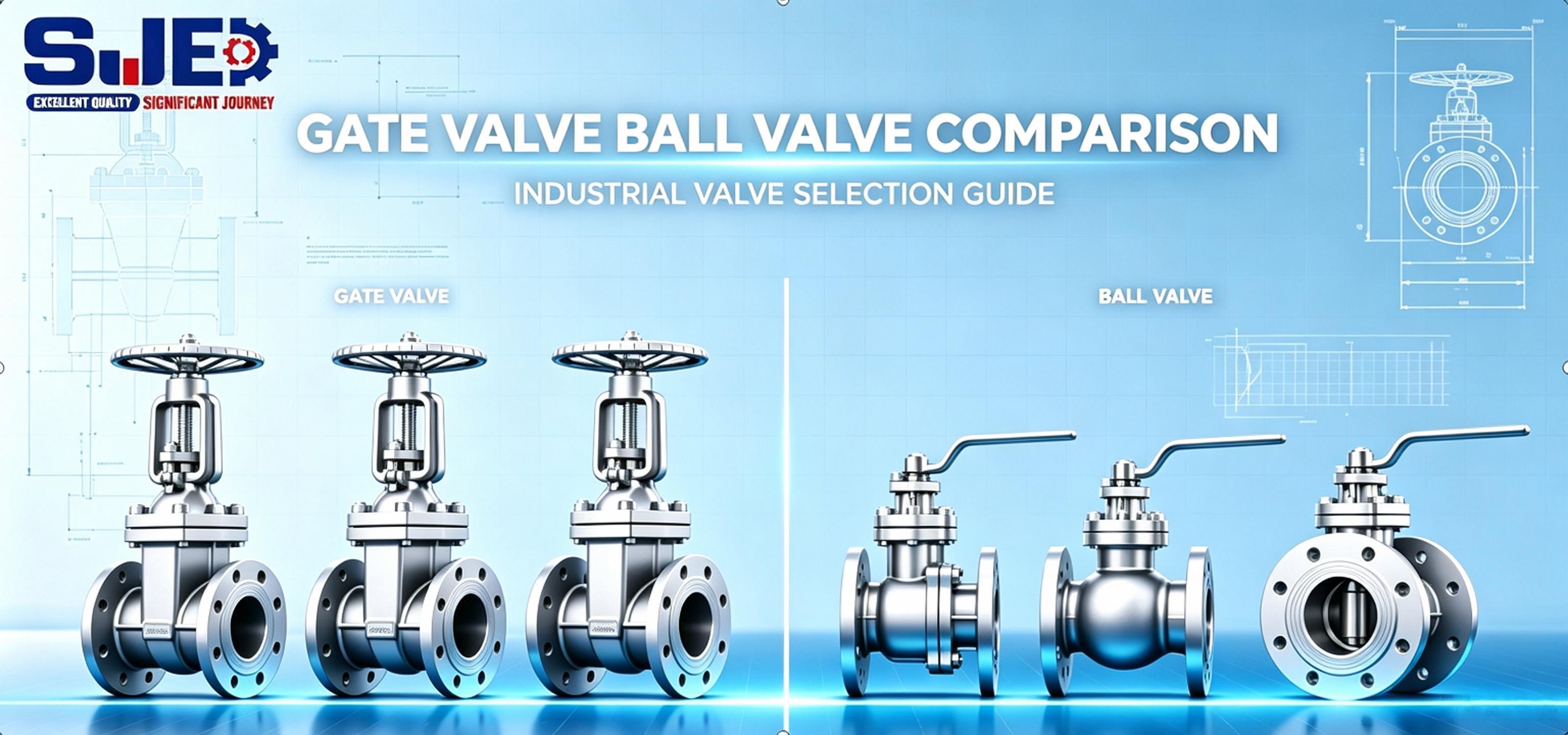
Ball valves, which feature a hole in the center of the ball, are known for their durability and reliability, providing a tight seal with minimal pressure drop. They are primarily used for on/off control, but can be adapted for throttling purposes with the addition of a positioner and actuator. Their simple design makes them suitable for applications involving gases or liquids where a tight seal and long service life are critical. They are very quick to operate, typically requiring only a 90-degree turn of the handle or actuator to open or close the valve, making them ideal for emergency shut-off applications.Diaphragm valves – Diaphragm valves are commonly used in industries where tight shut-off is required. They are ideal for applications with corrosive fluids, and in the pharmaceutical and food and beverage industries.
-
Diaphragm Valves – Excellent Handling of Corrosive Fluids