A comprehensive guide to commonly used valves
2024-11-19
A comprehensive guide to commonly used valves
Chemical industry: A comprehensive guide to commonly used valves
Valves are widely used in pipeline systems in chemical engineering design, which can directly affect the operation of pipelines and determine the actual effect and safety of pipeline operation. Therefore, choosing the right valve type has become the primary consideration for chemical enterprises to choose valves. In this guide, we'll explore the ideal chemical valve for the chemical industry.
Application characteristics of valve
Valves play a vital role in the chemical industry, regulating the flow of various substances through pipelines to ensure the safety and efficiency of industrial processes.
1. Butterfly valve
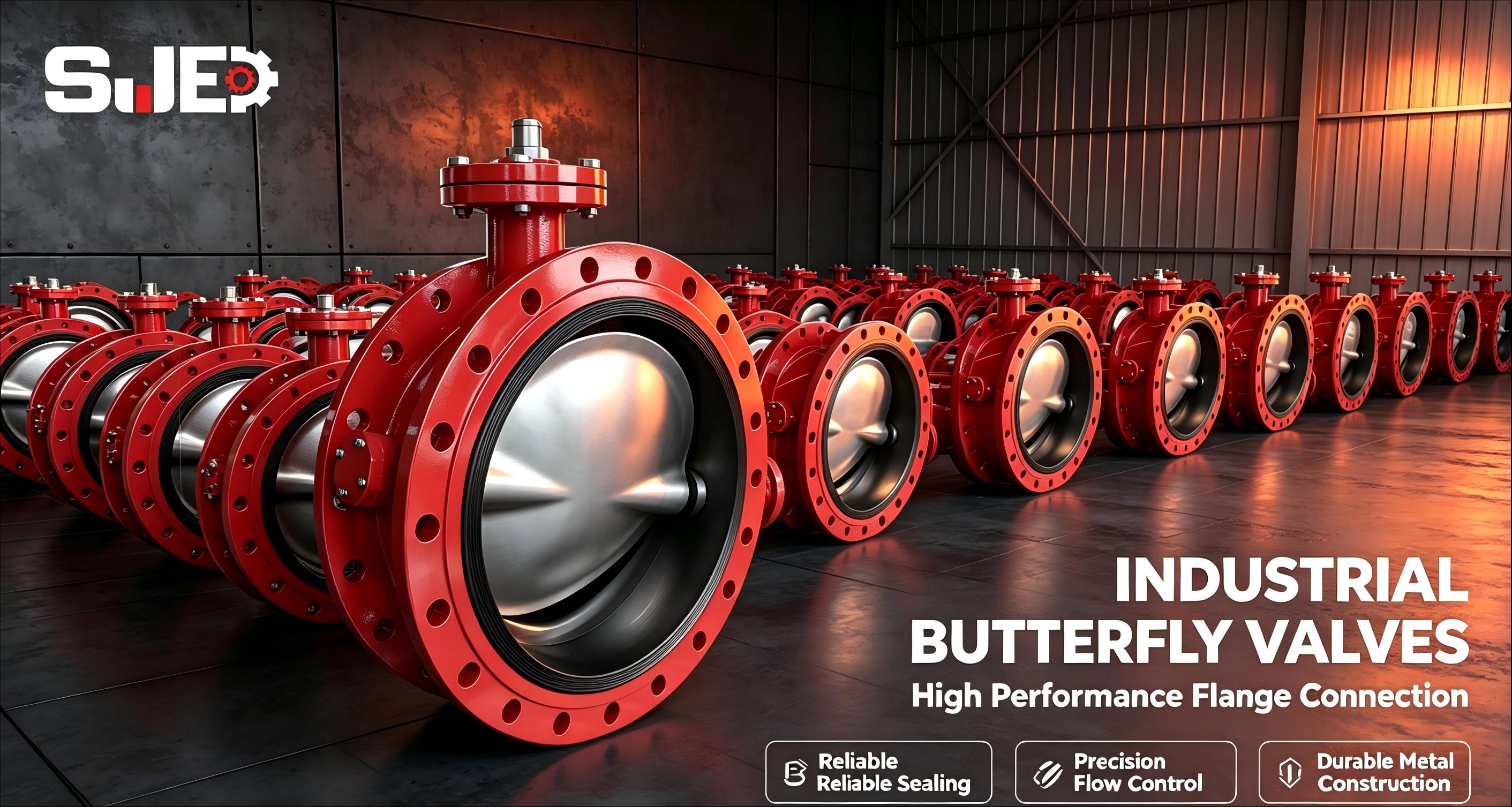
Butterfly valves are widely used in multiple industries due to their unique design and performance. Its main characteristics can be summarized as follows:
1. Efficient use of space
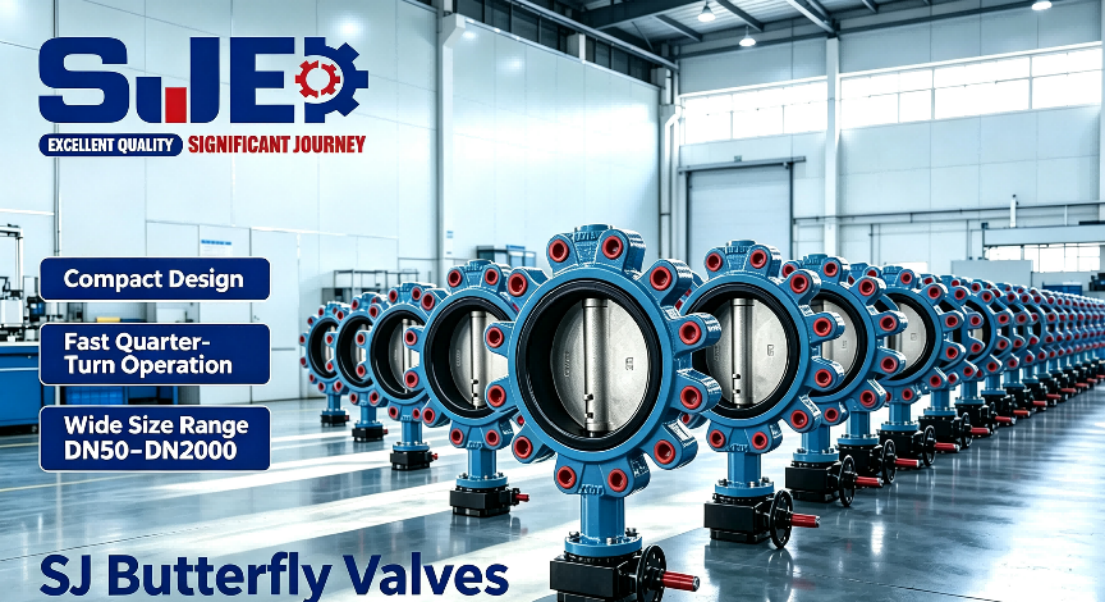
Butterfly valves are designed to be compact, small in size, and lightweight, making them particularly suitable for installation in areas with limited space. This makes them highly advantageous in industries such as chemical, pharmaceutical, and food processing where factory layouts are compact and pipelines are dense.
Butterfly valves are designed to be compact, small in size, and lightweight, making them particularly suitable for installation in areas with limited space. This makes them highly advantageous in industries such as chemical, pharmaceutical, and food processing where factory layouts are compact and pipelines are dense.
2. Stable flow regulation
Butterfly valves control fluids by rotating discs, enabling smooth and precise flow regulation with minimal pressure loss. This is crucial for processes that require precise control of fluid mixing ratios or reaction rates, helping to ensure product quality and production efficiency.
Butterfly valves control fluids by rotating discs, enabling smooth and precise flow regulation with minimal pressure loss. This is crucial for processes that require precise control of fluid mixing ratios or reaction rates, helping to ensure product quality and production efficiency.
3. Flexible pipeline connections
Butterfly valves offer various connection methods, such as wafer, lug, and flange. This diversity enables it to easily adapt to different pipeline systems and installation requirements, simplifying the installation and maintenance process.
Butterfly valves offer various connection methods, such as wafer, lug, and flange. This diversity enables it to easily adapt to different pipeline systems and installation requirements, simplifying the installation and maintenance process.
4. Suitable for large-diameter pipelines
Due to its simple structure and low manufacturing cost, butterfly valves are particularly suitable for large-diameter pipelines and can economically and effectively handle high flow fluids. They are often used in water treatment, hydropower generation, and large-scale industrial circulation systems.
Due to its simple structure and low manufacturing cost, butterfly valves are particularly suitable for large-diameter pipelines and can economically and effectively handle high flow fluids. They are often used in water treatment, hydropower generation, and large-scale industrial circulation systems.
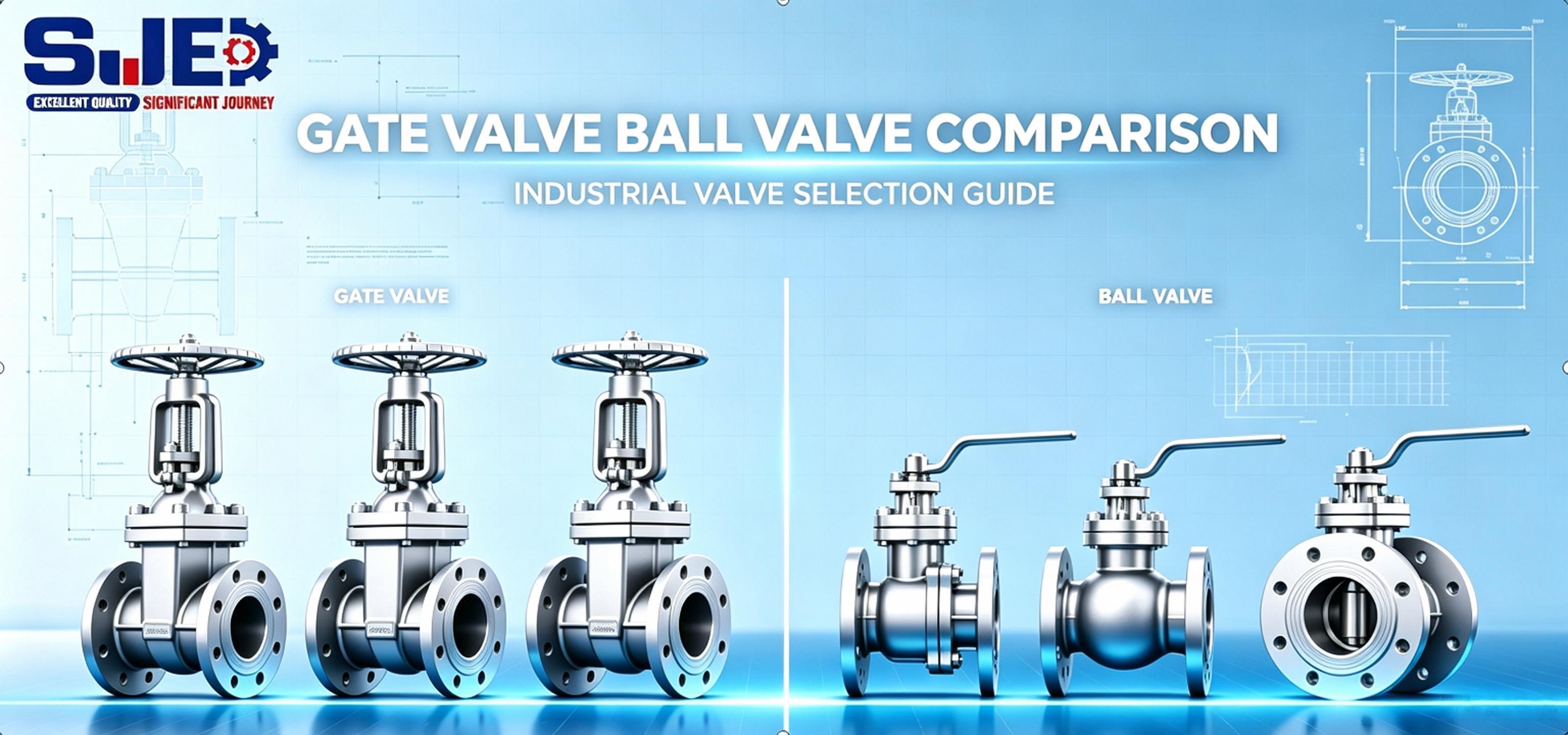
2. Gate Valves
1. Isolation function with fully open or fully closed
The main function of a gate valve is to completely cut off or open the fluid flow in the pipeline, rather than to regulate the flow rate. When the valve is fully opened, the flow path is unobstructed and the pressure loss is minimal when the fluid passes through, which is crucial for systems that require stable flow rates.
The main function of a gate valve is to completely cut off or open the fluid flow in the pipeline, rather than to regulate the flow rate. When the valve is fully opened, the flow path is unobstructed and the pressure loss is minimal when the fluid passes through, which is crucial for systems that require stable flow rates.
2. Bi directional flow capability
Most gate valves can be used in both directions, reliably preventing or opening flow regardless of which direction the fluid enters, which increases their flexibility in pipeline systems.
Most gate valves can be used in both directions, reliably preventing or opening flow regardless of which direction the fluid enters, which increases their flexibility in pipeline systems.
3. Suitable for multiple media
Gate valves have a simple and sturdy structure, capable of handling various media such as water, oil, steam, and gas, and can maintain good performance in high-pressure and high-temperature environments.
Gate valves have a simple and sturdy structure, capable of handling various media such as water, oil, steam, and gas, and can maintain good performance in high-pressure and high-temperature environments.
4. Slow opening and closing speed
The opening and closing of the gate valve requires rotating the handwheel to lift and lower the gate, which is a relatively slow process. Although not suitable for situations that require frequent or rapid operation, it can effectively avoid damage to pipeline systems caused by water hammer effects (shock waves generated by sudden fluid stoppage).
The opening and closing of the gate valve requires rotating the handwheel to lift and lower the gate, which is a relatively slow process. Although not suitable for situations that require frequent or rapid operation, it can effectively avoid damage to pipeline systems caused by water hammer effects (shock waves generated by sudden fluid stoppage).
5. Wide range of applications
Due to its reliable isolation capability and low pressure loss characteristics, gate valves are widely used in various fields such as urban water supply, industrial pipelines, oil and gas, chemical industry, and power.
Due to its reliable isolation capability and low pressure loss characteristics, gate valves are widely used in various fields such as urban water supply, industrial pipelines, oil and gas, chemical industry, and power.