Gate Valve Selection Guide: A Must-Read for Engineers
2024-10-30
Gate Valve Selection Guide: A Must-Read for Engineers
Gate Valve Selection Guide: A Must-Read for Engineers
If you're an engineer tasked with selecting the right gate valve for your project, you know that it's not a decision to take lightly. With so many different types of gate valves available on the market, it can be difficult to know which one is the best fit for your specific application.
That's why we've put together this must-read gate valve selection guide to help you make an informed decision. We'll cover everything from valve size and material selection to sealing options and end connections, so you can choose the right gate valve for your project with confidence.
Whether you're working on a large-scale industrial project or a smaller commercial application, this guide has the information you need to make the right choice. So don't miss out – read it today!
What is gate valve?
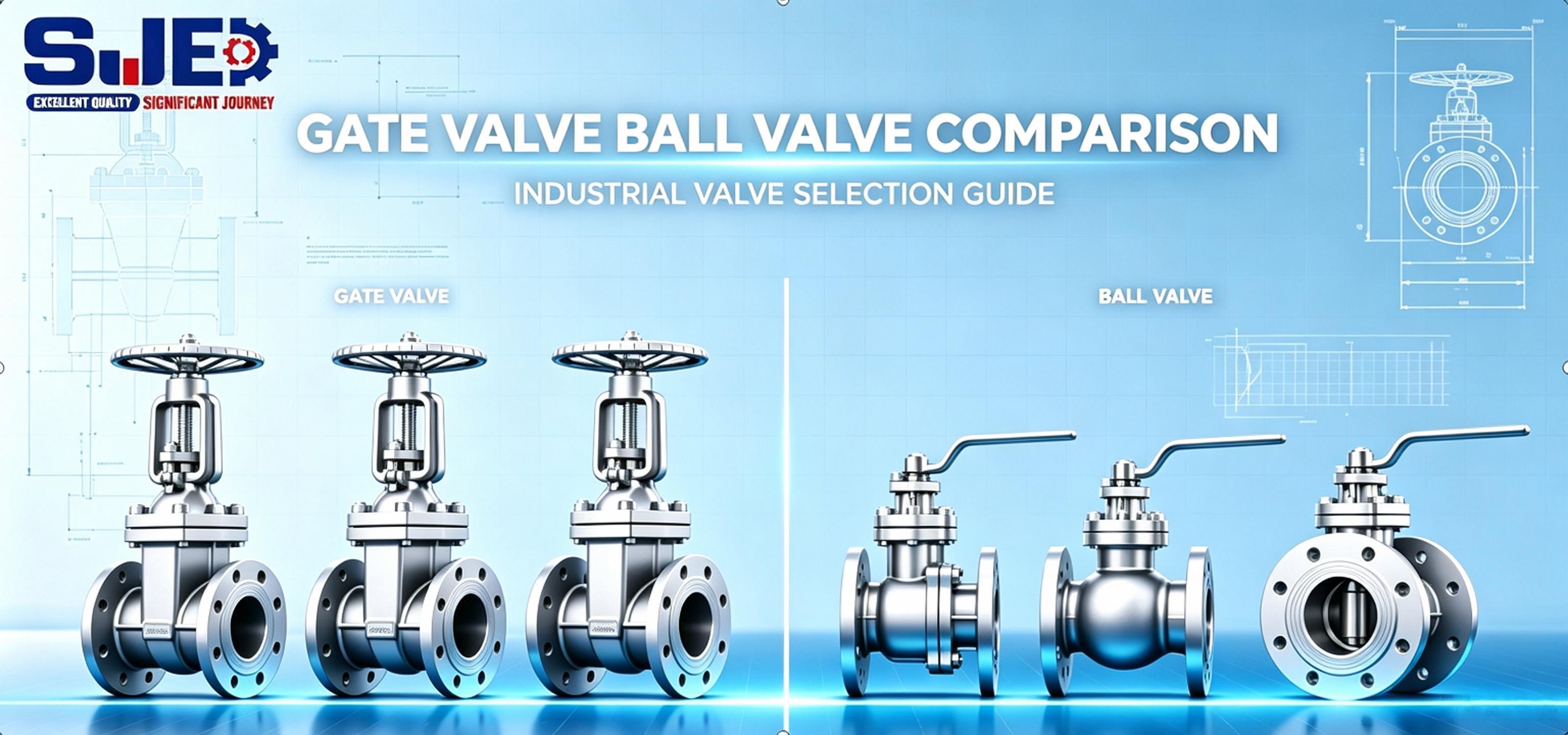
A gate valve is a valve that uses a gate or disc to control the flow of fluid (usually gas or liquid) through a pipe or other pipe. Gate valves work by lowering or raising wedge discs or gates to allow or stop fluid flow. This is a linear motion valve used to stop or start fluid flow. These types of valves are used for either fully closed or fully open service. Gate valves cannot be used for flow regulation or throttling purposes. Gate valve is a general purpose valve whose working principle is based on the opening and closing of the disc. This disc is similar to a gate installed perpendicular to the fluid flow path. Gate valves are used in situations where the flow of liquid or gas needs to be straightened at minimum limits. Gate valves cannot be used for fluid regulation applications because they may be damaged if the disc is partially opened or closed. The high speed flow of fluid in a partially opened valve can cause corrosion on the surface of the disc and seat, which can also cause noise and vibration. Gate valves can be installed in almost all directions because they have a bi-directional sealing function.
Gate valve structure design
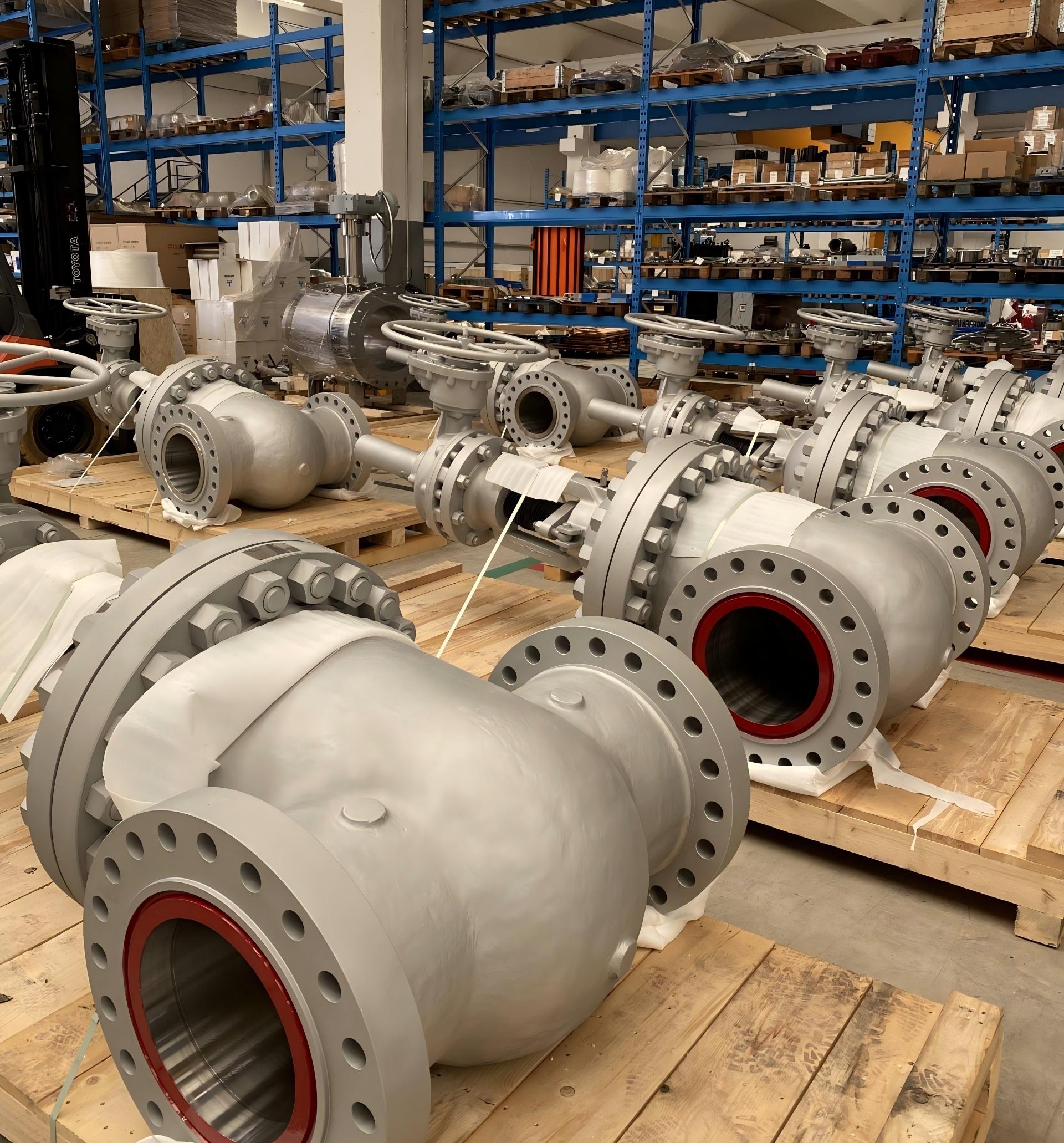
From the outside, most gate valves look somewhat similar. However, the interior has many different design possibilities. Most gate valves consist of a body and a valve cover with a closed element called a disc or gate. The closing element is attached to the stem through the valve cover and is eventually connected to a handwheel or other drive device to operate the stem. The pressure around the stem is contained in the packing that is compressed into the packing area or chamber.
Stem
-
The motion of the gate valve disc on the stem determines whether the stem rises or screws into the disc during opening. The reaction also defines two main stem/disc types for gate valves: rising stem or non-rising stem (NRS). The rising rod is the overwhelmingly popular stem/disc design style in the industrial market, and the non-rising style has long been favored by the waterworks and piping industries. Some Marine applications where gate valves are still used and space is limited also use the NRS style.
-
The most common stem/cap design on industrial valves is the external thread and yoke (OS&Y). The OS&Y design is preferred in corrosive environments because the threads are located outside the liquid containment area. It differs from other designs in that the handwheel is attached to the bushing at the top of the yoke rather than the stem itself, so the handwheel does not rise when the valve is opened.