BALL VALVE VS CHECK VALVE
2024-04-22
BALL VALVE VS CHECK VALVE
BALL VALVE VS CHECK VALVE
Check valves are essential components of any fluid system that transfers liquids, gases, vapors, and more. These valves enable one-direction flow while preventing backflow.
Ball valves employ a spherical ball inside the flow path to prevent reverse flow. As they rotate during operation, self-cleaning occurs as the ball rotates
A check valve allows liquids, gases, or steam to flow only in one direction – not backward. They’re commonly found in industrial and utility applications like wastewater lines, water treatment plants, and gas export facilities.
WHAT IS CHECK VALVE ?
The valve can be designed as a ball, disc, piston, or poppet. It comes in single-door or double-door models with an inlet and outlet port for convenience.
Check valves differ from other kinds of valves in that they operate based on differential pressure rather than just a trickle of flow. This means a specific minimum inlet pressure is necessary to open the valve (known as the cracking pressure). When this pressure drops below this minimum or backflow attempts to take place (backflow), then the valve will close automatically
Check Valve Application
-
Sewerage systems - Check valves ensure that there is no reverse fluid flow in these systems and therefore no waste is returned to the pit.
-
Pump systems - Reliable unidirectional fluid flow control systems protect pumps and piping systems from damage.
-
Heating SYSTEMS - Check valves also prevent water flow back to radiators in various heating systems. They also prevent hot water from flowing through the pipes when it should stop.
-
Water treatment plant - Check valves prevent re-contamination of water by preventing reverse flow.
WHAT IS BALL VALVE ?
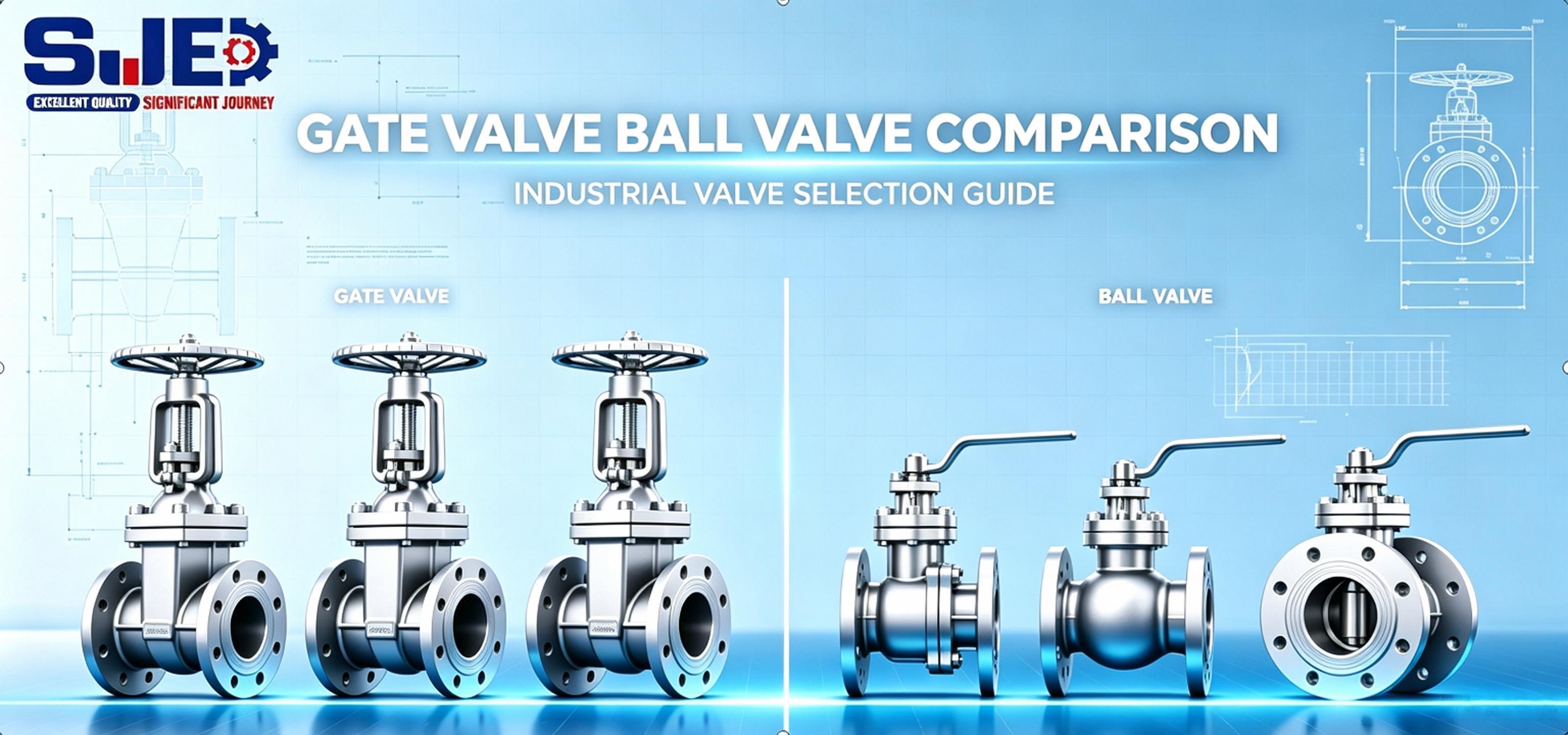
A ball valve is an electrical device that controls the flow of liquids and gases through pipes by turning a ball with a hole through it. When turned 90 degrees, this hole lines up with the flow direction, allowing media to pass through it freely; if turned in the opposite direction, however, media cannot pass through the valve.
Ball valves come in three basic designs: one-piece, two-piece, and three-piece. Each design has been optimized for specific purposes.
Ball valves can be controlled manually or automatically by using either electrical or pneumatic actuators. They also have the capacity to turn off automatically in case of a power outage or for failsafe purposes.