Butterfly Valve Technology Leads a New Industry Trend
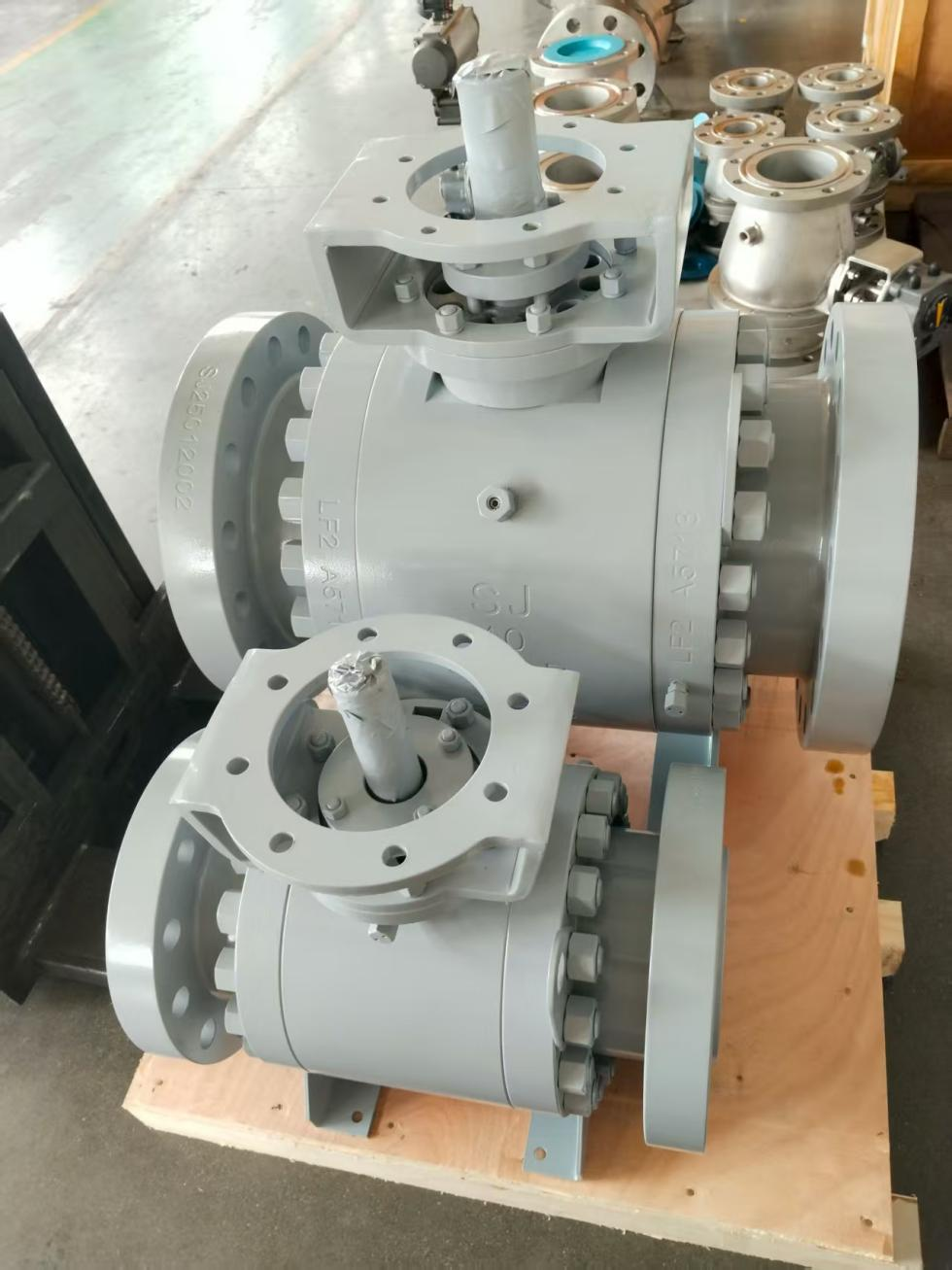
Butterfly Valve Technology Leads a New Industry Trend
Butterfly Valve Technology Leads a New Industry Trend
In the field of modern industrial fluid control, valves play a crucial role. Among the many types of valves, the butterfly valve is emerging as a powerful new force in fluid control technology due to its unique structure, high-efficiency performance, and wide range of applications. This article will delve into the working principles, diverse classifications, and core applications of butterfly valves across various industries, revealing how this seemingly simple mechanical component is driving industrial fluid control towards a more efficient, reliable, and intelligent future.
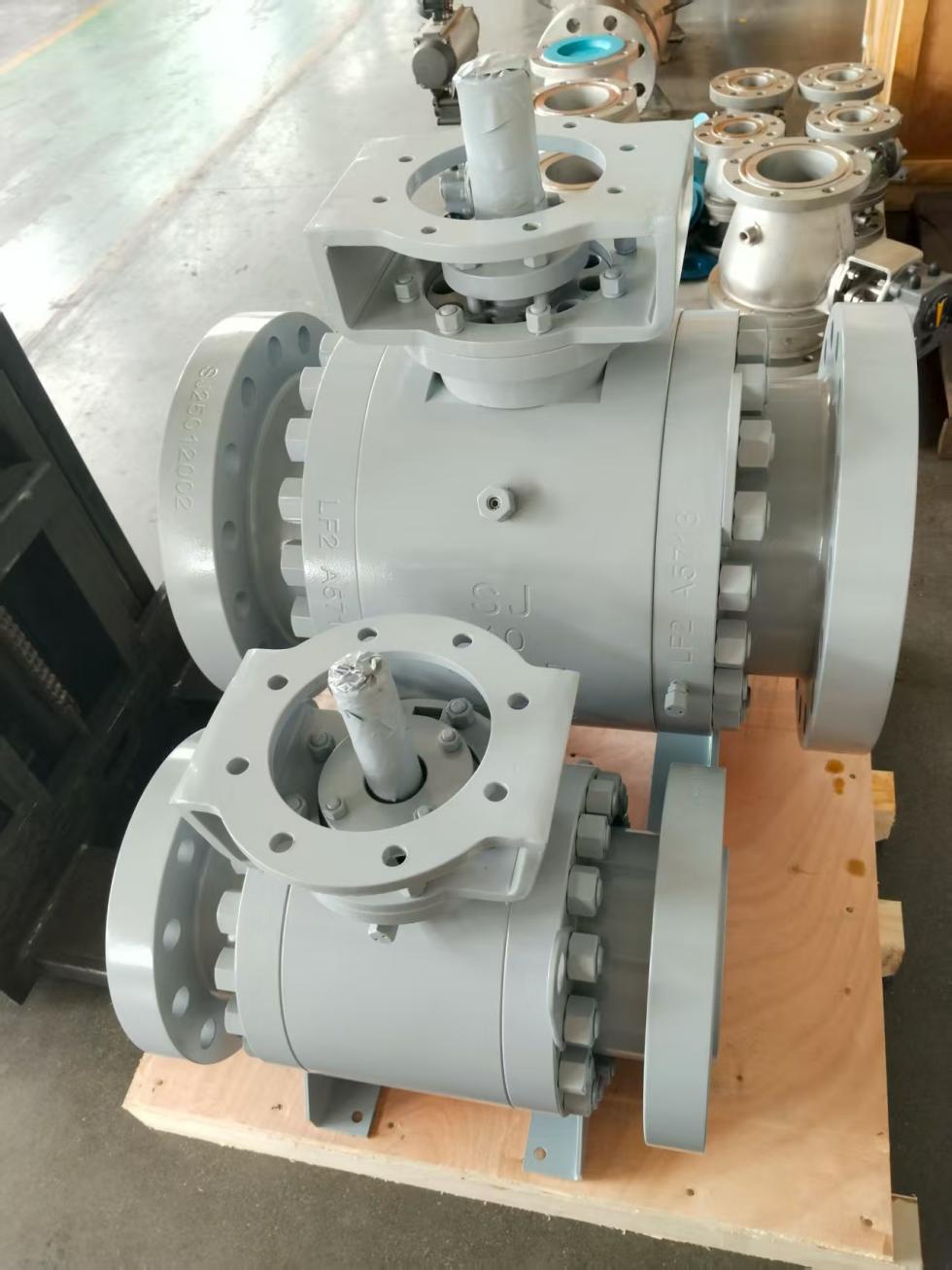
Working Principle and Structure of Butterfly Valves
The core mechanism of a butterfly valve is both simple and highly efficient. It controls the flow of media through a circular "disc" that rotates around a shaft. When the disc is parallel to the pipe, the valve is fully open, allowing the media to pass smoothly; when the disc rotates 90 degrees to be perpendicular to the pipe, the valve is fully closed, thereby shutting off the fluid. This design is compact, lightweight, and easy to operate, with rapid opening and closing times, making it an ideal choice for fast fluid control.
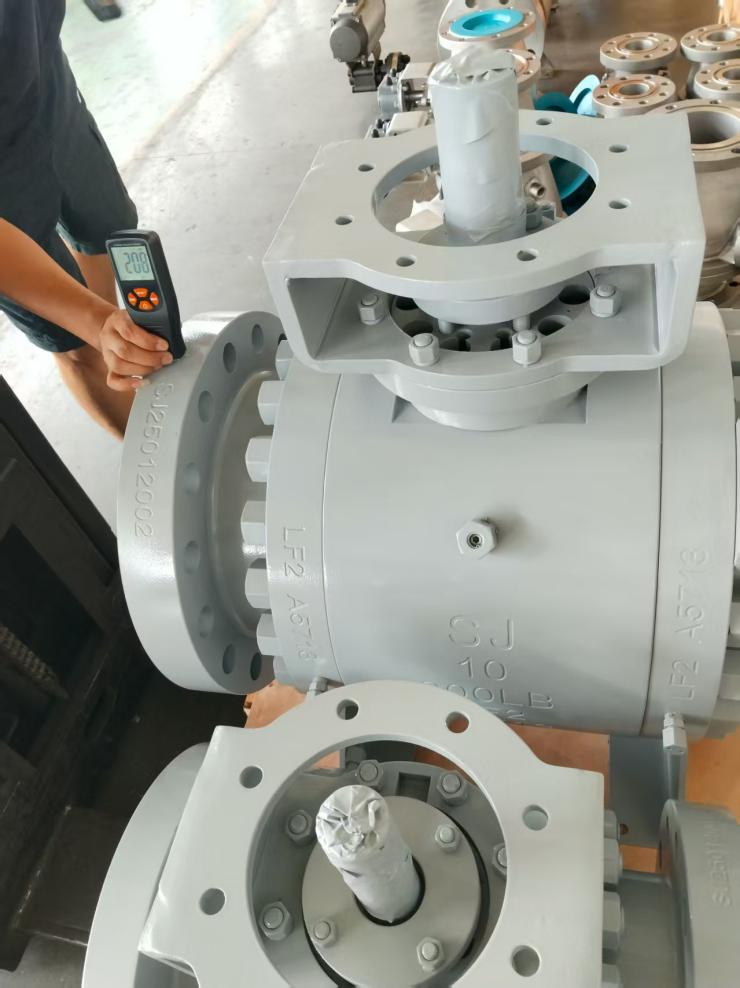
Diverse Types of Butterfly Valves to Meet Different Operating Conditions
To adapt to complex and changing industrial environments, butterfly valves have evolved into several types to handle different media, temperatures, and pressures.
- Wafer-style Butterfly Valve: This is the most common type, with the valve body clamped between two flanges by bolts. Its advantages include a simple structure and easy installation, making it particularly suitable for confined spaces.
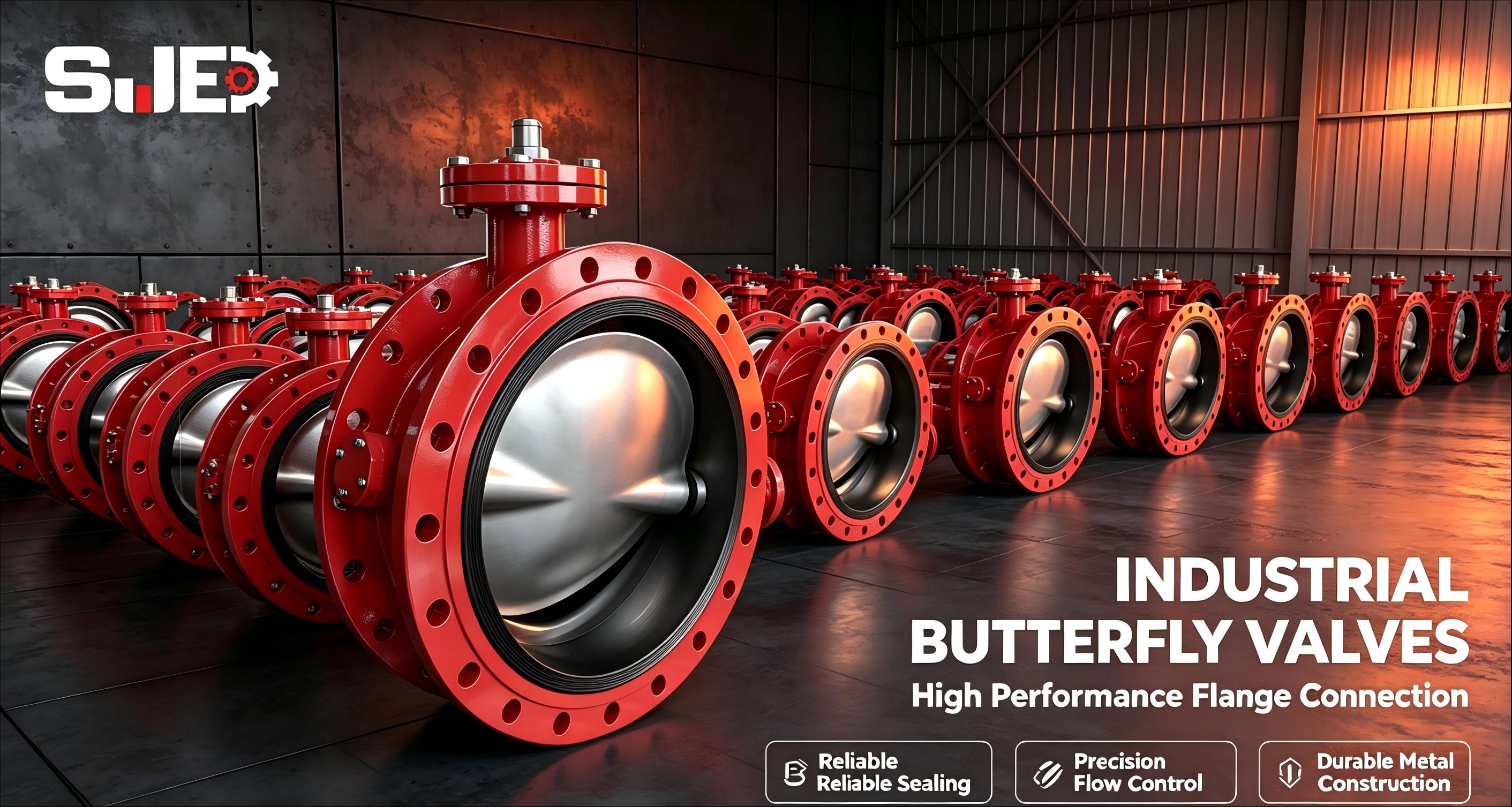
- Flanged Butterfly Valve: The valve body has flanges that connect directly to the pipe flanges. This design provides a more secure and reliable connection and is often used in large-diameter and high-pressure piping systems.
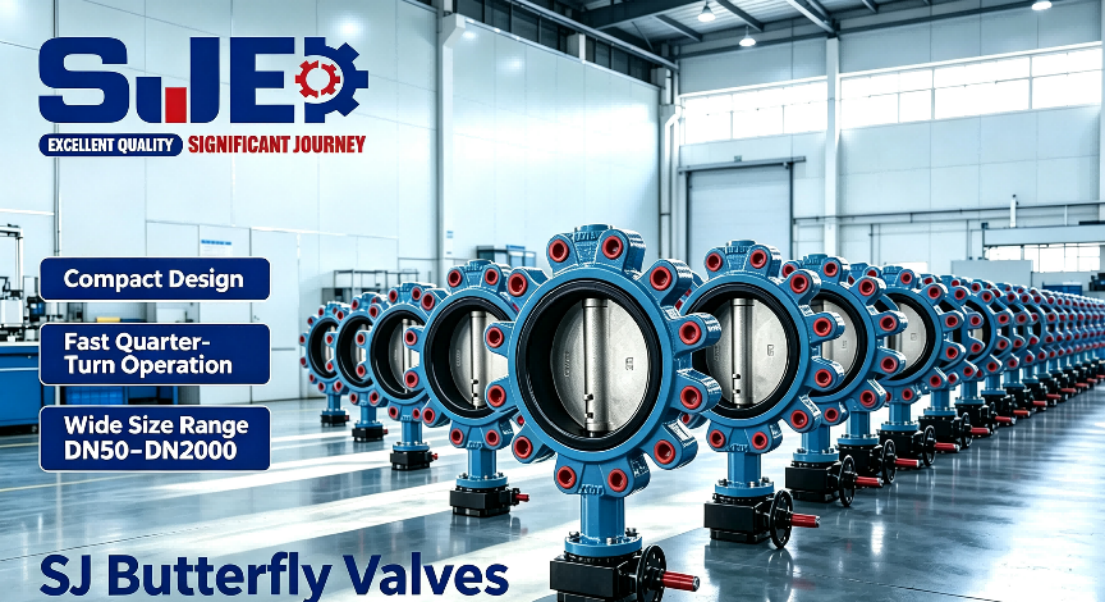
- Lug-style Butterfly Valve: The valve body is cast with threaded holes (lugs) that allow it to be bolted directly to the piping. Even if one side of the piping is removed, the other side of the piping and the valve remain stable, which is convenient for maintenance.
- Eccentric Butterfly Valve: To reduce wear between the disc and the seat, eccentric butterfly valves were developed. Based on the amount of eccentricity, they can be categorized as single-eccentric, double-eccentric, and triple-eccentric. The triple-eccentric butterfly valve is widely used in harsh conditions like high temperature and high pressure due to its excellent sealing performance and longer service life.