0

Explore the axial flow check valve
{当前产品的产品关键词轮巡使用}
2024-09-24

Explore the axial flow check valve

Explore the axial flow check valve

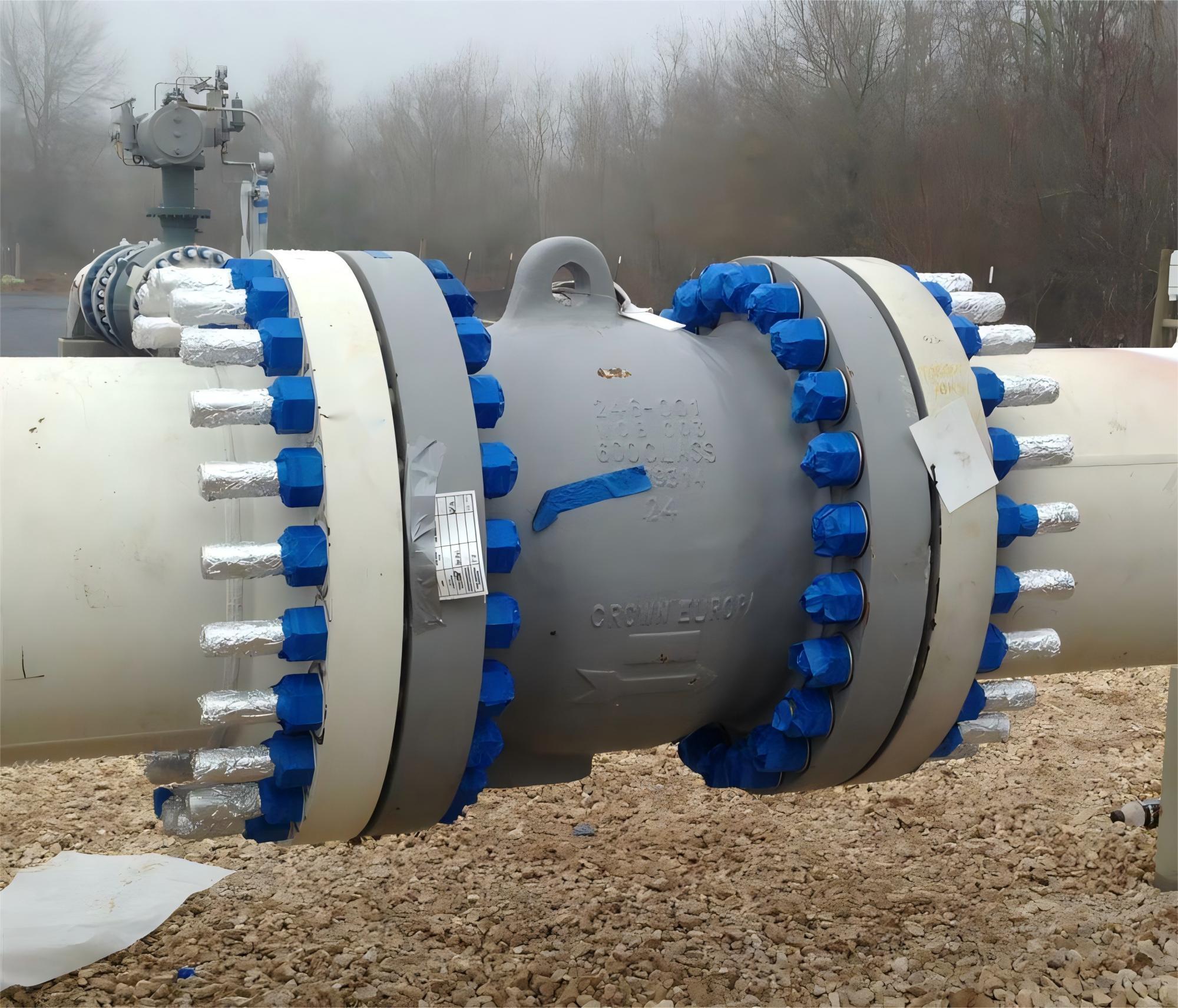
Pump and compressor valves often face problems: double door, swing check and tilt disc check valves often fail, water hammer and pressure pulsation can cause damage to valves and other system components, and the limited space requirements faced by pumps often result in less space for traditional check valves. These issues can be solved by installing SJ axial check valves to protect your pumps and compressors.
Axial check valves are important protection devices for pumps and compressors, as they cause flow in one direction and prevent back-flow in the opposite direction. Back-flow can cause extensive damage to equipment, and axial flow check valves are critical to protecting your investment.
Definition of Axial Check Valve
Axial flow check valve is a valve that automatically opens and closes by the pressure of the fluid itself, preventing the backflow of the medium. Unlike traditional check valves, its valve core or disc moves in the axial direction consistent with the centerline of the pipeline under the action of fluid. This design allows the fluid to pass almost in a straight line when the valve is opened, with minimal resistance, significantly reducing pressure loss and fluid turbulence. When the fluid stops or attempts to flow back, the valve core will quickly and smoothly return to its original position and close, effectively preventing fluid backflow. Therefore, axial flow check valves are particularly suitable for working conditions that require high efficiency, low pressure loss, and fast response, such as high-pressure natural gas pipelines, large-diameter oil pipelines, and pump station outlets
Working Principle
In the forward direction, the flow of fluid or gas will cause the valve element to rotate, allowing the flow to pass freely through the valve. However, in the reverse direction, the valve element will rotate in the opposite direction, blocking the flow and preventing fluid or gas from passing through.
Comparison of Product Dynamic Performance