How to determine if the safety valve is set automatically when pressure is
How to determine if the safety valve is set automatically when pressure is
How to determine if the safety valve is set automatically when pressure is
What is a safety valve?
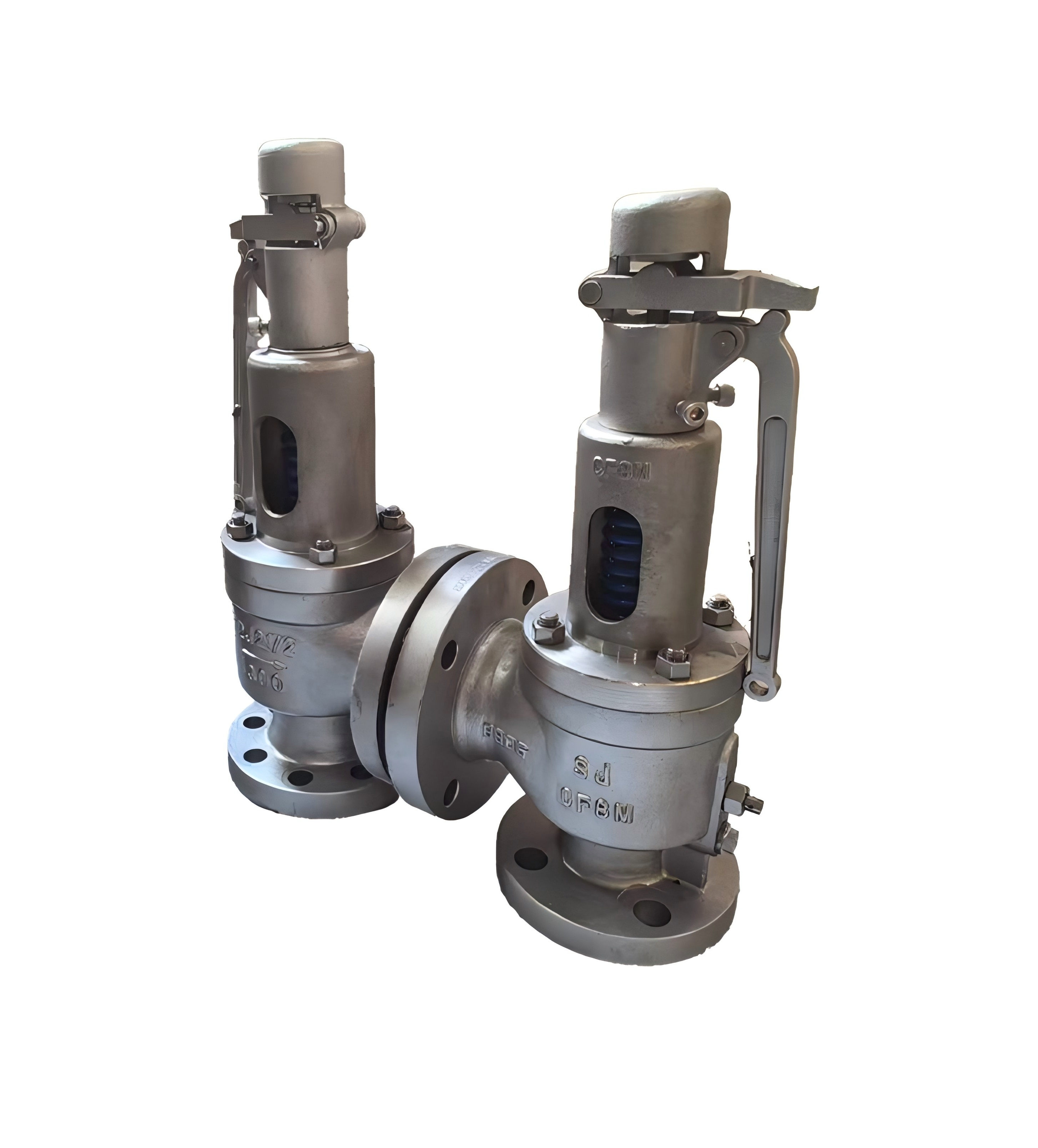
The safety valve is a fail-safe device that can automatically release pressure when the system pressure exceeds the preset limit. This valve is widely used in power plants, petrochemical plants, boilers and other systems. When the pressure reaches the set value, the safety valve will fully open and continue to discharge until the pressure drops back to a safe range. Its operating principle is: when the medium pressure is higher than the opening pressure, an upward thrust is generated on the sealing surface of the valve disc. As the valve disc is slightly lifted, the medium flow area increases to form a dynamic flow resistance. This force quickly overcomes the valve disc gravity/spring force, achieving instant full opening.
Safety valve set pressure:
The set pressure is the predetermined pressure at which the safety valve begins to open under operating conditions, measured as the gauge pressure at the valve inlet. At this pressure, under specified operating conditions, the force generated by the medium pressure to open the valve is balanced by the force of the valve disc holding the valve.
The set pressure is usually a certain percentage above the MAWP to allow for normal operating pressure fluctuations.
Setting pressure core principles:
- Set pressure ≤ design pressure/maximum allowable working pressure: This is the most fundamental principle. The set pressure of the safety valve must never exceed the design pressure or maximum allowable working pressure of the protected equipment.
-
Set pressure > normal working pressure: The safety valve must remain completely closed under normal working pressure to avoid medium leakage and malfunction. Usually a certain safety margin is required.
-
Consider system characteristics: When setting, you must consider the characteristics of the pressure source (such as pumps, compressors), possible pressure fluctuations, accumulation (such as thermal expansion of liquids), fire conditions, etc.
Safety valve operating principle:
This section will systematically analyze the core working mechanism of the safety valve, focusing on the definition of set pressure, valve action principle and over-pressure relief process.
Understanding the set pressure and release mechanism:
The set pressure is the preset opening threshold of the safety valve, which is strictly set according to the system maximum allowable working pressure (MAWP). When the system pressure reaches this critical value, the valve immediately starts controlled release to eliminate the risk of over-pressure, thereby avoiding equipment damage, environmental leakage or casualties.
The pressure relief mechanism of the safety valve is refined and efficient: