How to repair ball valve leakage
2025-01-23
How to repair ball valve leakage
How to repair ball valve leakage
What is a ball valve?
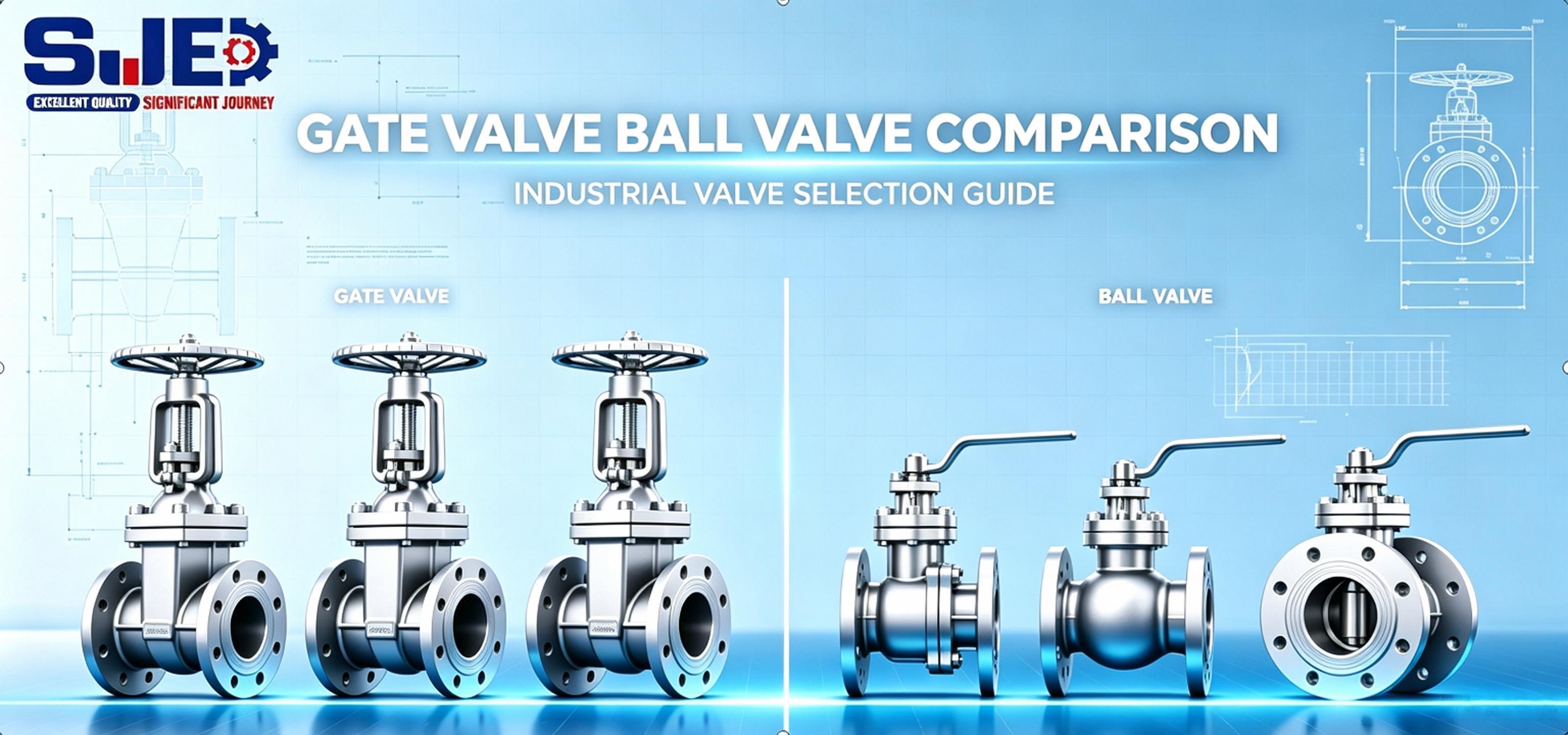
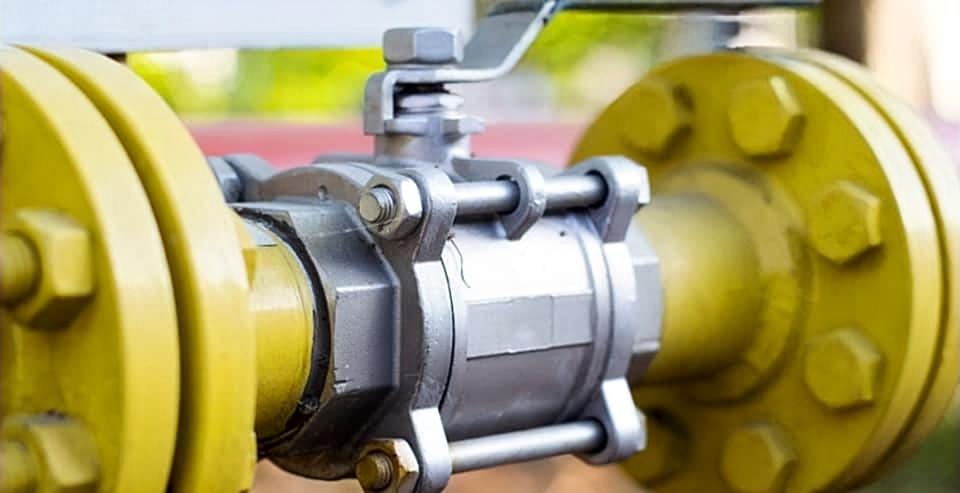
A ball valve is a globe valve that uses a rotating ball with holes to control the flow of liquid or gas. Ball valves, together with plug and butterfly valves, are a right Angle rotary valve. They can be operated manually or with actuators.
What is a ball valve leak?
Understanding ball valve leaks is critical to maintaining the integrity and functionality of systems that rely on these valves to control fluid flow. Leaks can be caused by a variety of reasons, including wear or damage to seals, which naturally degrade over time under the pressure of controlling high-pressure fluids. In addition, stem packing failure is another common cause where the seals around the stem cannot hold the fluid, leading to leaks. Other potential causes include improper valve closure due to obstruction, structural damage to the valve, or incorrect operation. Each type of leak, whether originating in a ball valve body, stem or seal, requires specific methods of diagnosis and repair, highlighting the importance of a thorough understanding of the mechanisms behind ball valve failures.
Common causes of ball valve leakage
Ball valves are known for their durability and reliability, but like any other mechanical component, they can develop problems over time. Understanding these causes is essential to accurately diagnose problems and apply appropriate fixes to ensure the service life and reliability of ball valve systems.
1. O-ring damage: The O-ring is the rubber ring used in the ball valve to form a waterproof seal. If the O-ring is damaged or worn, it may cause water to leak around the valve handle. This is a common problem with older ball valves because the O-rings deteriorate over time.
2. Loose packing nut: The packing nut is another part that helps to form a seal in the ball valve. It is located behind the handle and may become loose from frequent use or vibration. If this happens, it may cause water to leak from around the stem.
3. Broken or damaged valve body: The valve body is the main part of the ball valve and is used to accommodate the ball and seal. Over time, it may crack or become damaged due to corrosion, mineral buildup, or excessive pressure. This causes water to leak from various points in the valve body.
4. Loose connection: Ball valves are usually connected to pipelines using threaded or compression fittings. If these connections are loose, they can cause water to leak from the valve joint.
5. Improper installation: If the ball valve is installed incorrectly, it may cause leakage due to parts dislocation or parts damage.
How to fix a leaking ball valve?
1. Shut off the water supply: Before carrying out any repair on a ball valve, turn off the water supply to the valve. This will prevent water from flowing through the valve and causing more damage.
2. Remove the handle: Using a wrench or pliers, remove the handle from the valve by loosening the set screw.
3. Remove the ball: Loosen the packing nut and remove the ball from the valve.
4. Inspect the ball: Check the ball for any cracks, scratches or other signs of damage.
5. Inspect the seat: Check the valve seat for dirt, debris or corrosion.
6. Replace the ball or seat: If the ball is damaged, replace it with a new one. If the valve seat is damaged, replace it with a new one.
7. Lubricate the valve: Apply a small amount of silicone grease to the O-rings and other moving parts of the valve.
8. Reassemble the valve: Install the ball and the packing nut, and reattach the handle to the valve.
9. Turn on the water supply: Turn on the water supply and check for any leaks. If there are no leaks, the repair is complete.
2. Remove the handle: Using a wrench or pliers, remove the handle from the valve by loosening the set screw.
3. Remove the ball: Loosen the packing nut and remove the ball from the valve.
4. Inspect the ball: Check the ball for any cracks, scratches or other signs of damage.
5. Inspect the seat: Check the valve seat for dirt, debris or corrosion.
6. Replace the ball or seat: If the ball is damaged, replace it with a new one. If the valve seat is damaged, replace it with a new one.
7. Lubricate the valve: Apply a small amount of silicone grease to the O-rings and other moving parts of the valve.
8. Reassemble the valve: Install the ball and the packing nut, and reattach the handle to the valve.
9. Turn on the water supply: Turn on the water supply and check for any leaks. If there are no leaks, the repair is complete.
Conclusion
Ball valve leaks can cause major problems for industrial systems, ranging from reduced efficiency to safety hazards. Therefore, it is necessary to understand the causes of ball valve leaks and take preventive measures to avoid leaks. Regular inspection, maintenance, proper installation and operation, and employee training can go a long way toward preventing ball valve leaks. If a leak occurs, use troubleshooting techniques, such as checking seals, tightening bolts and cleaning valves, or seek professional help to identify and resolve the problem quickly and efficiently. Keep in mind that a well-maintained ball valve can last for years and save you costly repairs and downtime.