Knife Gate Valve Pressure Test Ensuring The Safety and Reliability of Industrial Equipment
2025-10-11
Knife Gate Valve Pressure Test Ensuring The Safety and Reliability of Industrial Equipment
Knife Gate Valve Pressure Test: Ensuring The Safety and Reliability of Industrial Equipment
In industrial production, knife gate valves are important fluid control equipment, and their performance directly affects the safety and efficiency of the system. To ensure the sealing and reliability of knife gate valves in high-pressure environments, pressure testing is an essential step. This article will provide a detailed introduction to the importance and specific steps of pressure testing for knife gate valves, based on the actual pressure testing process.


Test Preparation
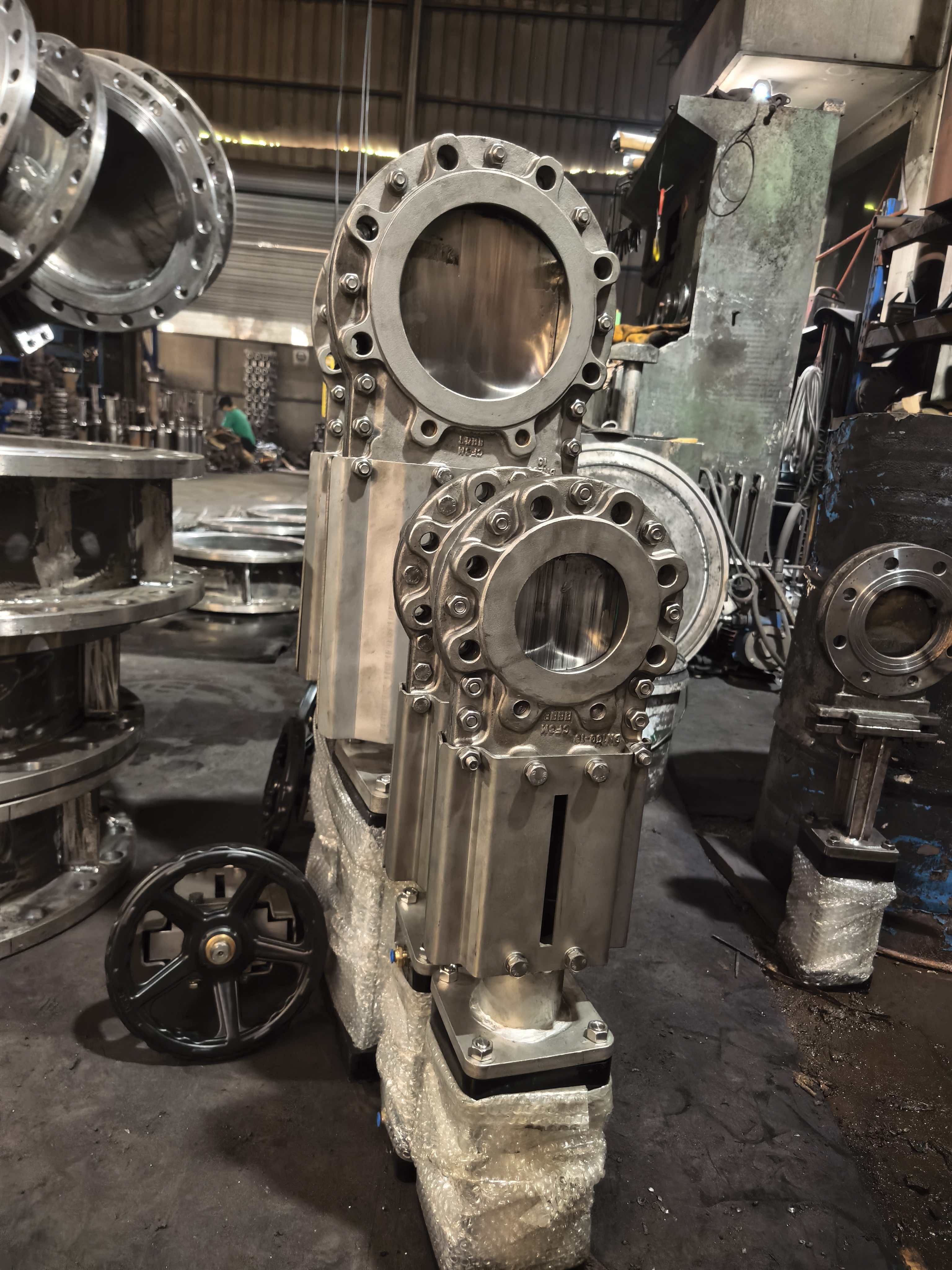
Before the test begins, a comprehensive inspection of the knife gate valve is required. This includes visual inspection of the valve, fastening of the connection parts, and integrity of the sealing surface. The knife gate valve shown in the video is installed on a metal bracket, surrounded by various tools and equipment, indicating that this is a professional testing environment.
Before the test begins, a comprehensive inspection of the knife gate valve is required. This includes visual inspection of the valve, fastening of the connection parts, and integrity of the sealing surface. The knife gate valve shown in the video is installed on a metal bracket, surrounded by various tools and equipment, indicating that this is a professional testing environment.
Technicians use hammers and other tools to conduct preliminary inspections of the valve, tapping different parts of the valve to determine whether there are internal defects or looseness through sound and touch. Next, technicians connect the valve to the pressure equipment to ensure good sealing at the connection and prevent leakage during the testing process.
Pressure testing is the last and crucial quality line of defense in valve manufacturing, aimed at comprehensively verifying the integrity and reliability of the valve body structure and seals under specified pressure.
This test was conducted strictly in accordance with industry standards and mainly includes two core steps:
--Shell strength test: By applying excessive design pressure to the valve body, the test ensures that the valve body material and casting structure do not undergo permanent deformation or cracking under extreme working conditions, ensuring that the valve has sufficient structural strength and safety.
--Sealing performance test: Focus on checking whether key sealing parts such as valve seats and packing leak when subjected to working pressure. Excellent sealing performance is the foundation for ensuring that the fluid medium does not leak out and the system operates safely and stably.
This test was conducted strictly in accordance with industry standards and mainly includes two core steps:
--Shell strength test: By applying excessive design pressure to the valve body, the test ensures that the valve body material and casting structure do not undergo permanent deformation or cracking under extreme working conditions, ensuring that the valve has sufficient structural strength and safety.
--Sealing performance test: Focus on checking whether key sealing parts such as valve seats and packing leak when subjected to working pressure. Excellent sealing performance is the foundation for ensuring that the fluid medium does not leak out and the system operates safely and stably.
Suppression Process
The main purpose of the pressure test is to verify the sealing performance of the valve under high pressure conditions. During the testing process, technicians inject high-pressure fluid, usually water or oil, into the valve through a pressure pump and gradually increase the pressure. The video shows the state of the valve under different pressures, and technicians carefully inspect the various connection points and sealing surfaces of the valve to observe if there is any fluid leakage.
The main purpose of the pressure test is to verify the sealing performance of the valve under high pressure conditions. During the testing process, technicians inject high-pressure fluid, usually water or oil, into the valve through a pressure pump and gradually increase the pressure. The video shows the state of the valve under different pressures, and technicians carefully inspect the various connection points and sealing surfaces of the valve to observe if there is any fluid leakage.
In order to comprehensively evaluate the sealing performance of the valve, technicians observe and inspect the valve from multiple perspectives. In the video, the camera moves around the valve, displaying different perspectives such as the top, bottom, and side of the valve to ensure that there are no missed areas.
Pressure Monitoring
In pressure testing, the reading of the pressure gauge is crucial. The video shows multiple pressure gauges installed at different positions on the testing equipment. Technicians use these instruments to monitor the pressure changes inside the valve in real time, ensuring that the pressure meets the testing requirements and remains stable.
In pressure testing, the reading of the pressure gauge is crucial. The video shows multiple pressure gauges installed at different positions on the testing equipment. Technicians use these instruments to monitor the pressure changes inside the valve in real time, ensuring that the pressure meets the testing requirements and remains stable.
The reading of the pressure gauge displays the current pressure value, and technicians use this data to determine whether the valve can withstand the set pressure. Indicating that the valve can still maintain good sealing performance under high pressure. In addition, data on pressure changes can be recorded for subsequent analysis and evaluation.
Detail Inspection and Operational Testing
In addition to sealing performance, the operating mechanism of the valve is also one of the key points of testing. The technicians checked whether the valve's opening and closing operations were flexible, ensuring that the valve could still be opened and closed normally under high pressure conditions. In the video, technicians manually operate the handwheel of the valve, observe the response of the valve, and check for any jamming or abnormal sound.
In addition to sealing performance, the operating mechanism of the valve is also one of the key points of testing. The technicians checked whether the valve's opening and closing operations were flexible, ensuring that the valve could still be opened and closed normally under high pressure conditions. In the video, technicians manually operate the handwheel of the valve, observe the response of the valve, and check for any jamming or abnormal sound.
In addition, technicians also conducted a detailed inspection of the appearance of the valve, including whether there were cracks, rust, or other damages on the surface of the valve body. These detailed checks help identify potential issues and ensure the reliability of the valve in practical applications.