Slab Gate Valve VS Wedge Gate Valve

2024-08-28
Slab Gate Valve VS Wedge Gate Valve
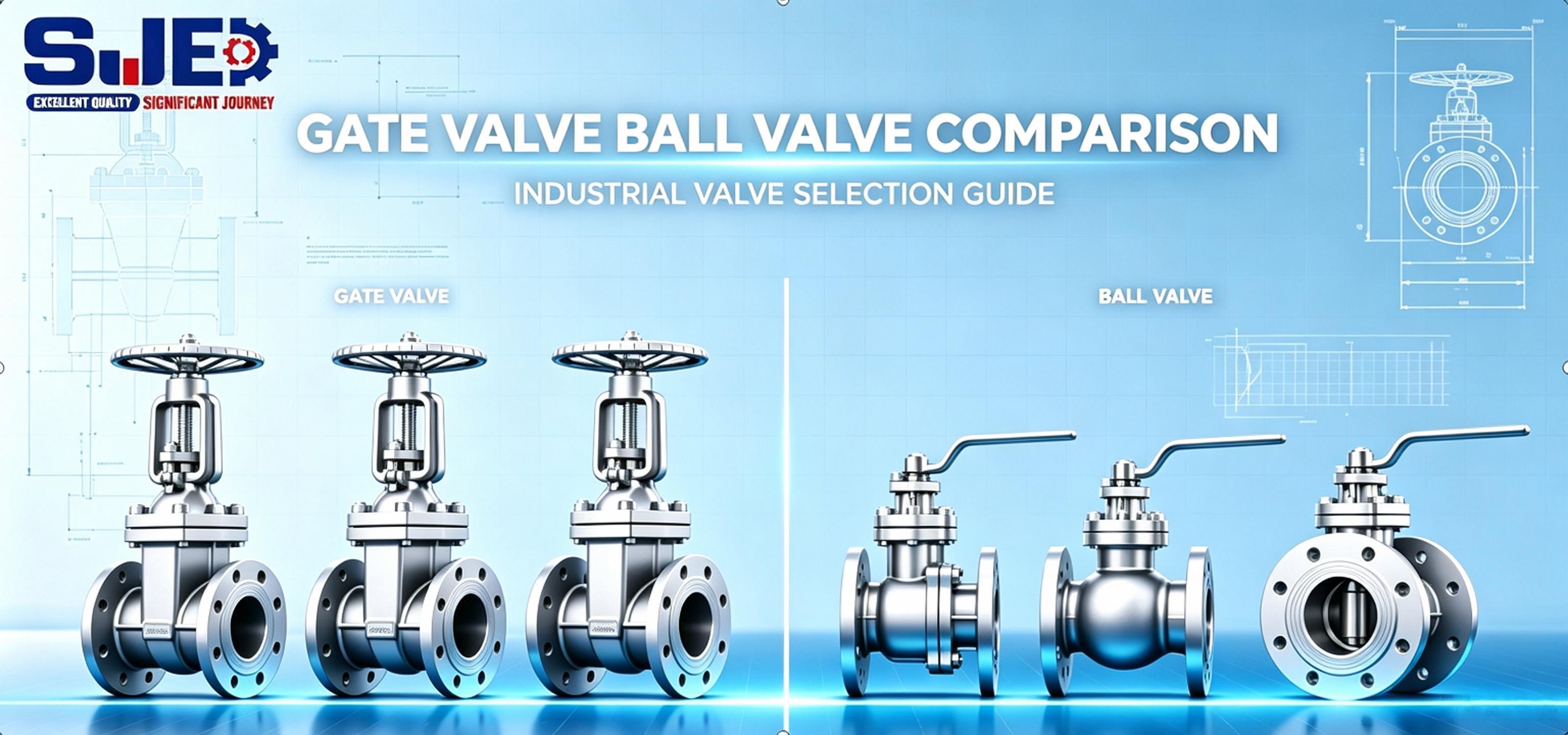
Slab gate valves and wedge gate valves are two types of gate valves commonly used in various industries.
Slab Gate Valve
SJ Valvole S.R.L Plate gate valves are a commonly used type of gate valve in the oil and gas industry. They get their name from their plate-shaped gates, which are parallel to the valve seat. The gates move vertically up and down to control the flow of fluid through the valve.
Plate gate valves consist of two metal gates located on either side of a flat metal plate. The flat plate is usually designed with two sealing surfaces, making them suitable for low-pressure applications. When the valve is open, the gates rise vertically to allow fluid to pass through the valve. Once the valve is closed, the flat gates seal tightly against the valve seat, preventing any leakage.
Plate gate valves are known for their high-pressure and temperature resistance, making them suitable for challenging oil and gas exploration and production environments. Due to their simple construction, they are also more durable and require less maintenance than other gate valves. In addition, plate gate valves can be used for manual or automatic settings, which makes them suitable for a wide range of fluid flow control applications.
Plate gate valves are commonly used in applications such as wellheads, Christmas trees, and pipelines. They can handle harsh environments such as extreme temperatures, high pressures, and abrasive fluids, making them a top choice for most industries that require durability and reliability.
Plate gate valves consist of two metal gates located on either side of a flat metal plate. The flat plate is usually designed with two sealing surfaces, making them suitable for low-pressure applications. When the valve is open, the gates rise vertically to allow fluid to pass through the valve. Once the valve is closed, the flat gates seal tightly against the valve seat, preventing any leakage.
Plate gate valves are known for their high-pressure and temperature resistance, making them suitable for challenging oil and gas exploration and production environments. Due to their simple construction, they are also more durable and require less maintenance than other gate valves. In addition, plate gate valves can be used for manual or automatic settings, which makes them suitable for a wide range of fluid flow control applications.
Plate gate valves are commonly used in applications such as wellheads, Christmas trees, and pipelines. They can handle harsh environments such as extreme temperatures, high pressures, and abrasive fluids, making them a top choice for most industries that require durability and reliability.
Wedge Type Gate Valves
SJ Valvole S.R.L Wedge gate valves are a type of gate valve widely used in various industries to control the flow of fluids in high-pressure and high-temperature applications. Wedge gate valves have a gate shaped like a wedge and are used to control the flow of fluids through the valve.
The wedge of a wedge gate valve has two inclined surfaces designed to fit tightly against the valve seat of the valve body. The gate moves vertically up and down with the valve seat through the valve stem. When the valve is open, the gate is lifted and fluid can pass through the valve. When the valve is in the closed position, the gate is lowered and the wedge with the inclined surface fits tightly against the valve seat, forming a tight seal to prevent leakage.
Wedge gate valves can handle high-pressure and high-temperature applications because of the wedging action that occurs between the wedge gate valve and the valve seat. They provide superior closing capabilities, making them ideal for industrial applications that require precise control of fluid flow. Wedge gate valves are also suitable for a variety of fluids, including water, oil, gas, and steam.
Wedge gate valves are commonly used in the petroleum, chemical processing, and power generation industries. They are designed to provide reliable and powerful performance in high-pressure and high-temperature applications. These valves are available in different sizes and pressure ratings to suit different applications. In addition, they can be operated manually or with an actuator, providing operational flexibility.
The wedge of a wedge gate valve has two inclined surfaces designed to fit tightly against the valve seat of the valve body. The gate moves vertically up and down with the valve seat through the valve stem. When the valve is open, the gate is lifted and fluid can pass through the valve. When the valve is in the closed position, the gate is lowered and the wedge with the inclined surface fits tightly against the valve seat, forming a tight seal to prevent leakage.
Wedge gate valves can handle high-pressure and high-temperature applications because of the wedging action that occurs between the wedge gate valve and the valve seat. They provide superior closing capabilities, making them ideal for industrial applications that require precise control of fluid flow. Wedge gate valves are also suitable for a variety of fluids, including water, oil, gas, and steam.
Wedge gate valves are commonly used in the petroleum, chemical processing, and power generation industries. They are designed to provide reliable and powerful performance in high-pressure and high-temperature applications. These valves are available in different sizes and pressure ratings to suit different applications. In addition, they can be operated manually or with an actuator, providing operational flexibility.
Differences:
1. Design: The wedge gate valve is designed with a wedge-shaped gate with two inclined surfaces and a flat gate parallel to the valve seat.
2. Closure: The wedge gate valve achieves high closing capacity through wedging action, while the plate gate valve uses two sealing surfaces on each side of the flat gate, making it suitable for lower pressure applications.
3. Pressure and temperature: The wedge gate valve can be used in high pressure and high temperature applications, while the plate gate valve has a limited operating range of medium and low pressures.
4. Maintenance: Unlike the wedge gate valve, the plate gate valve requires less maintenance due to its fewer moving parts and simple structure.
5. Availability: Plate gate valves are widely used in the oil and gas industry because they are cheaper to produce and can handle most standard applications.
1. Design: The wedge gate valve is designed with a wedge-shaped gate with two inclined surfaces and a flat gate parallel to the valve seat.
2. Closure: The wedge gate valve achieves high closing capacity through wedging action, while the plate gate valve uses two sealing surfaces on each side of the flat gate, making it suitable for lower pressure applications.
3. Pressure and temperature: The wedge gate valve can be used in high pressure and high temperature applications, while the plate gate valve has a limited operating range of medium and low pressures.
4. Maintenance: Unlike the wedge gate valve, the plate gate valve requires less maintenance due to its fewer moving parts and simple structure.
5. Availability: Plate gate valves are widely used in the oil and gas industry because they are cheaper to produce and can handle most standard applications.