Testing types of industrial valves
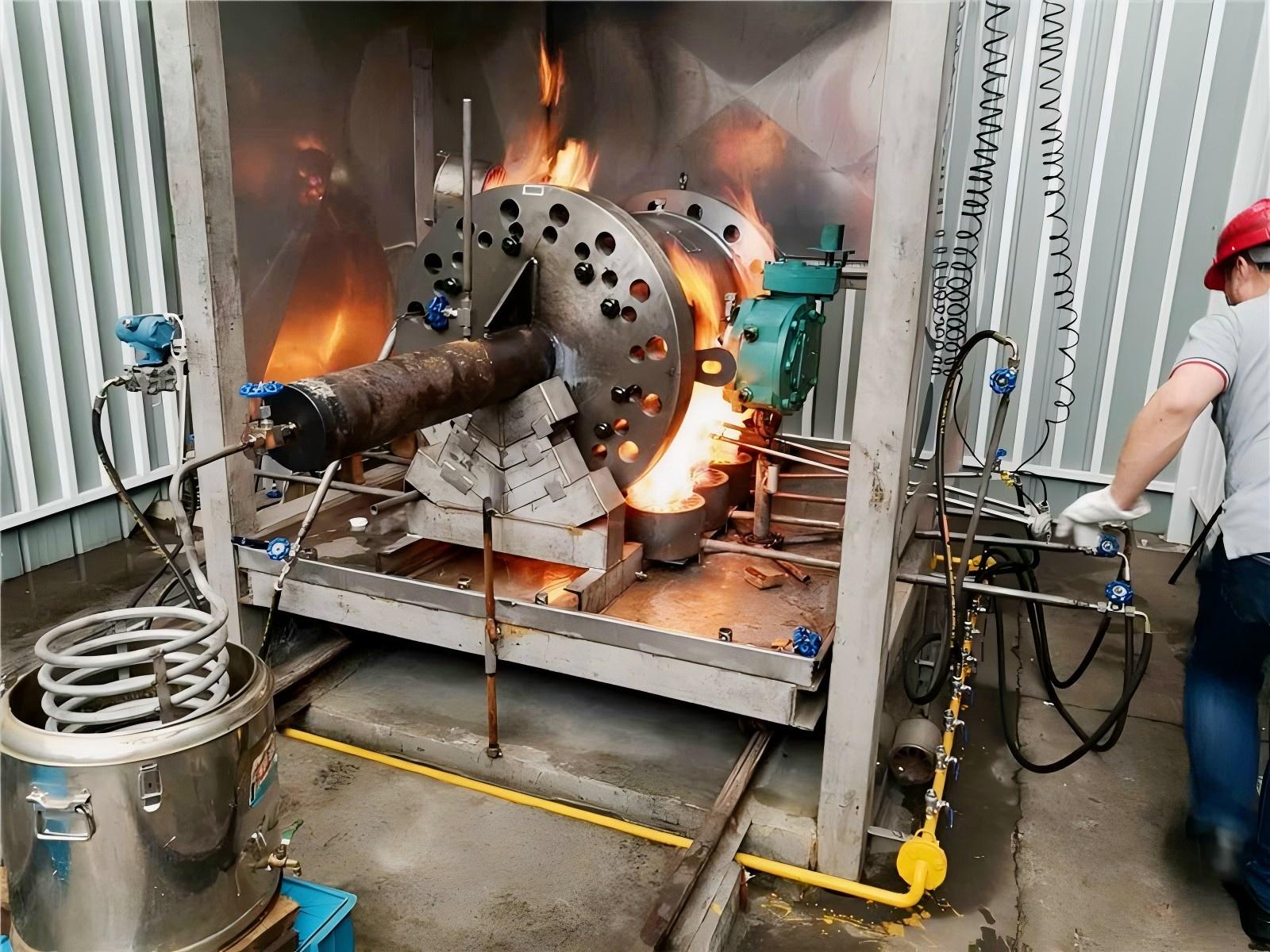
Testing types of industrial valves
Test types of industrial valves
Why is Valve Inspection and Testing necessary?
Type of Pressure Testing
Hydrostatic & Pneumatic Pressure Testing
|
Hydrostatic Pressure Testing Advantage |
Pneumatic Pressure Testing Advantage |
|
Safety assurance: Hydraulic testing enables valves to handle high pressure conditions without failure. This test is essential to prevent accidents and risks in high pressure systems. |
Non-corrosive: Pneumatic testing is ideal for valves that can be damaged by water. By using air or gas, there is no risk of rust or other corrosion problems. |
|
Leak detection: This test is very good at identifying the smallest leaks that might go unnoticed. Here's the thing: Spotting leaks early can prevent bigger problems. |
Sensitive leak detection: Pneumatic testing is ideal for finding small leaks that may be missed by other methods. You know what? This can avoid big problems later by catching them early. |
|
Cost effective: While it may seem complicated, hydrostatic testing is a cost-effective way to certify valve quality. It is cheaper to test and repair valves now than to deal with major failures later. |
Safe for certain materials: Some valves are made of materials that are incompatible with water. Pneumatic testing enables you to safely test these valves without damaging them. |
|
Quick cleaning: Since this test uses air or gas, there is no cleaning involved. According to Modor Intelligence, the valve market is expected to grow at a CAGR of 6.25%. This growth highlights the importance of such testing for faster, cleaner processes, which means less downtime and faster results. |