The difference between Forged Steel and Cast Steel
2024-12-03
The difference between Forged Steel and Cast Steel
The difference between Forged Steel and Cast Steel
In manufacturing and industrial applications, the choice of materials significantly affects the performance, durability and cost-effectiveness of products. When it comes to precision casting, two materials are often under scrutiny: Forged Steel and Cast Steel. Both materials have their own unique properties and advantages that make them suitable for different applications. However, determining which is more suitable for a particular application can be challenging, especially in precision casting, where stringent standards and high performance requirements are the norm.
This article explores the differences between forged steel and cast steel, providing a comprehensive comparison to help you make an informed decision. We will delve into the basics of each material, their mechanical properties, their performance in various environments, and more. By the end of this article, you'll have a clearer idea of which material is better suited to your specific needs.
What is forged steel?
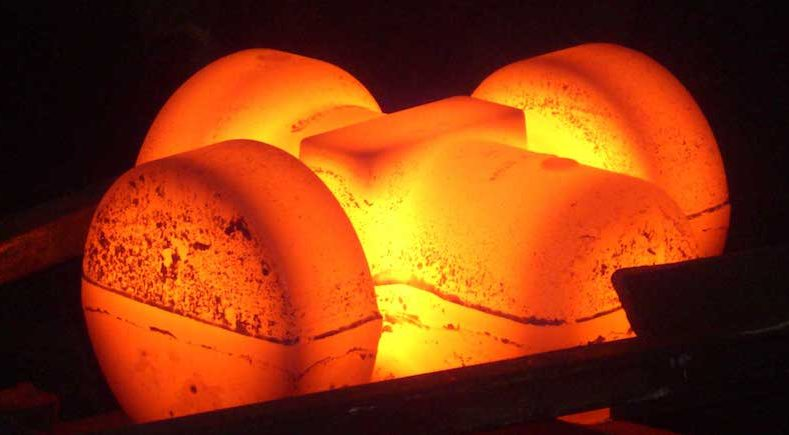
Forged steel is a type of steel that is mechanically deformed under high pressure to produce a final shape. The process involves heating the steel to high temperatures to make it flexible and then applying force using methods such as hammering, pressing or rolling. This deformation keeps the internal grain structure of the steel consistent and improves the mechanical quality compared to non-forged steel.
The forging process improves the strength, hardness and ductility of steel by refining its internal grain structure and reducing the presence of defects. Forged steel has higher mechanical qualities, such as higher tensile strength as well as impact and fatigue resistance, making it ideal for high-stress applications. Common forging processes include free die forging, closed die forging, drop forging and precision forging, each with unique advantages depending on the shape and size of the part.
Forged steel is used in a wide variety of industries, including automotive, aerospace, oil and gas, construction and manufacturing. It is used for important components such as gears, crankshafts, turbine blades and structural parts that require extremely high strength and durability. The forging method also allows for precise control of the properties of the material through heat treatment, thereby improving its overall properties.
Although forged steel is generally more expensive than other steel manufacturing methods, its superior characteristics and reliability make it necessary for applications that require strength and durability.
Type
Forged steel is divided into three types - cold forged steel, hot forged steel and hardened forged steel. These types vary according to molding pressure and temperature during production.
-
Cold forging steel - The process is performed at temperatures up to 160 ºC. Typically, low temperatures will result in a smoother surface finish.
-
Hot forging steel - The temperature range of this technology is 900 ºC to 1300 ºC. Temperatures are usually higher than recrystallization to produce materials with good formability.
-
Hardened forged steel - temperature range 750ºC to 950ºC. The materials produced are more versatile, but have limited ductility.
What is cast steel?
Cast steel is a metal formed by melting molten steel into a mold (or casting) at high temperatures. It is typically made from a combination of carbon, manganese, phosphorus, sulfur, silicon, and other elements, depending on the desired properties of the final product. One of the main advantages of cast steel is its strength-to-weight ratio. Cast steel has a higher tensile strength than most other types of steel, making it ideal for applications that want to reduce weight while maintaining strength and durability.
Typically, cast steel has carbon and silicon as the main elements, chromium and vanadium as other trace elements, which are often added to improve corrosion resistance and mechanical strength. Sometimes further nickel is added to improve toughness and hardness. The combination of these ingredients creates a strong and durable material that can withstand extreme temperatures without compromising its integrity. The manufacturing process of cast steel involves melting the raw material in a furnace and then casting, rolling or milling to obtain the desired shape. The carbon content in steel determines its hardness, strength and ductility, and the higher the carbon content, the harder and stronger the steel is generally. However, the increase in hardness comes at the expense of ductility, which means the steel is less flexible and more likely to crack under stress. Cast steel is typically used in parts that require a good balance of strength, wear resistance and machinability.
Type
The chemical composition of cast steel is the key to its mechanical and physical properties. Broadly speaking, cast steel is divided into two categories: carbon cast steel and alloy cast steel.