The Excellence of High-Performance Butterfly Valves
2026-04-24
The Excellence of High-Performance Butterfly Valves
1.Q1: Why are butterfly valves often superior to gate valves or ball valves in large piping networks?
2.Q2: How to choose the most suitable seat material based on media characteristics?
3.Q3: What are the fundamental differences in installation between Wafer, Lug, and Double Flange butterfly valves?
4.Conclusion
The Excellence of High-Performance Butterfly Valves
In modern industrial fluid piping networks, finding a balance between efficiency, space, and cost is an eternal pursuit for engineers. Butterfly valves, with their compact structure and extremely fast 90° opening and closing characteristics, have become indispensable core components in industries such as water treatment, petrochemicals, and power generation. However, when facing complex and ever-changing media and pressure conditions, how to select and apply the most suitable butterfly valve? This article will guide you through an in-depth analysis of the selection logic and application advantages of butterfly valves through four key questions and answers.
Q1: Why are butterfly valves often superior to gate valves or ball valves in large piping networks?
A: This is determined by the structural economy and installation efficiency of butterfly valves.
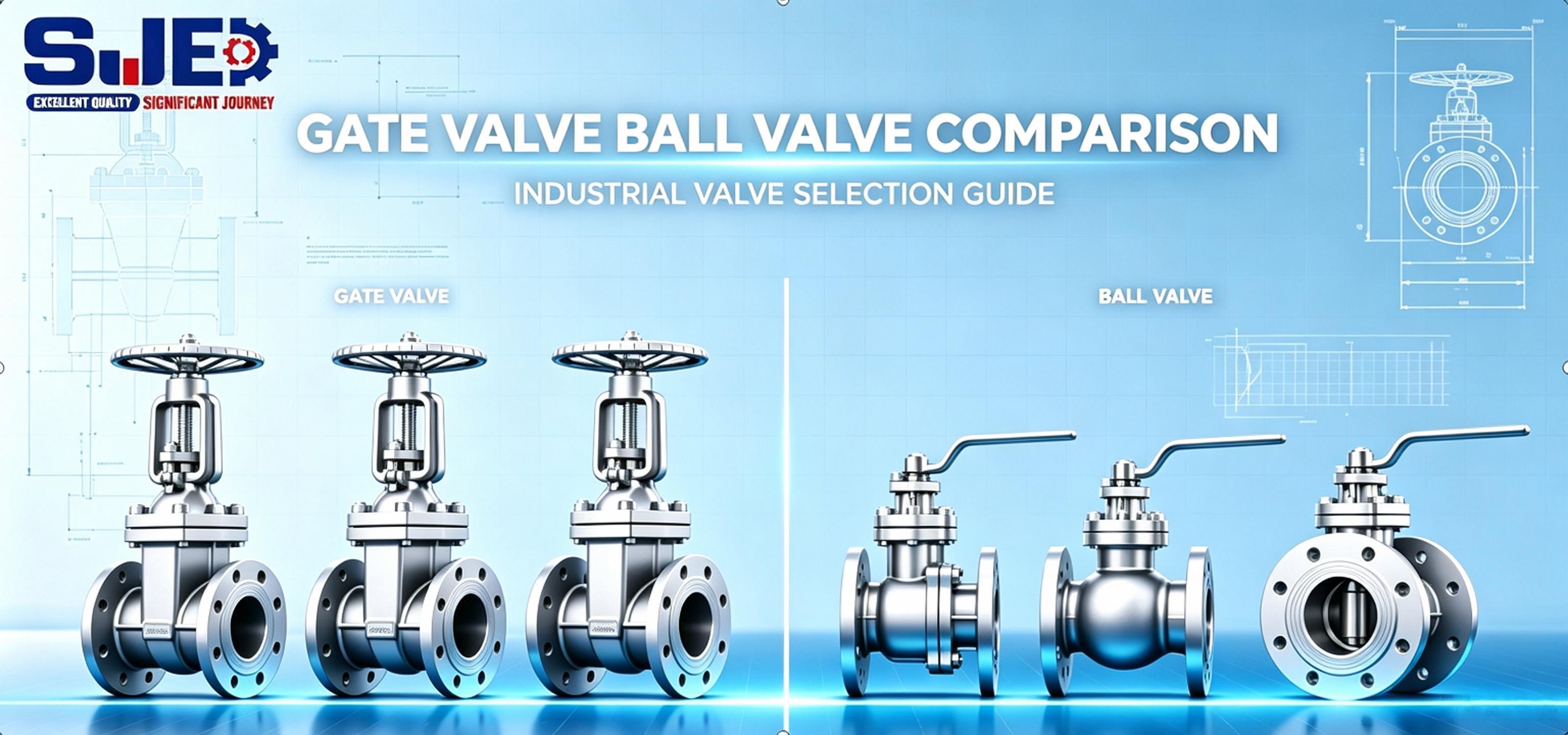
- Space Efficiency: The structural length (face-to-face) of butterfly valves is extremely short. For the same diameter, their footprint is only 1/3 to 1/5 that of gate valves, greatly saving on pipe support costs and installation space.
- Lightweight Advantage: Butterfly valves are significantly lighter than ball valves. This means that in large industrial facilities (such as ships or high-rise buildings), it can significantly reduce the load on the entire piping system.
-Easy Operation: Full opening or closing requires only a 90-degree rotation, making it very easy to configure with electric or pneumatic actuators for highly automated remote fluid control.
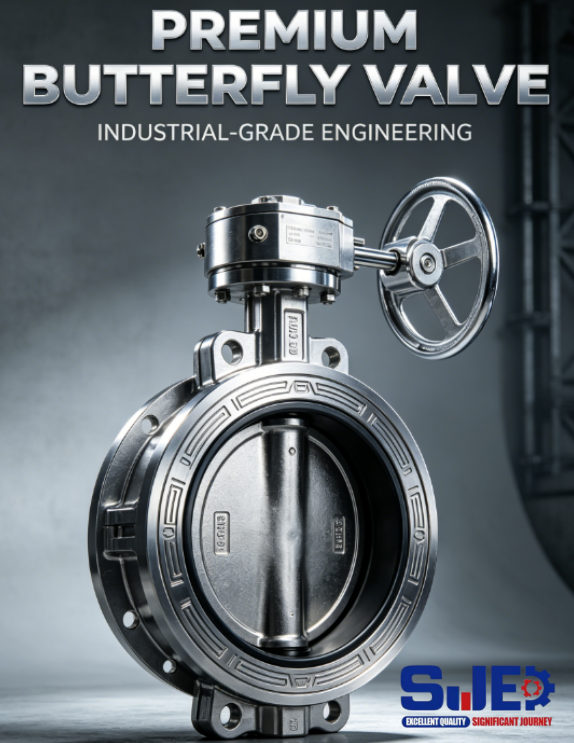
SJ pursues the ultimate balance between lightweight and high strength in its butterfly valve design. Through finite element analysis (FEA) to optimize the valve body structure, SJ butterfly valves are on average 10% lighter than similar products on the market while maintaining rated operating pressure, significantly reducing your international logistics costs and on-site installation difficulty.


Q2: How to choose the most suitable seat material based on media characteristics?
A: The choice of seat material directly affects the valve's service life.
- Corrosive acid and alkali media: PTFE or PFA lined butterfly valves are recommended. These materials have excellent chemical stability and can effectively resist the erosion of highly corrosive media.
- General industrial water/oil: EPDM or NBR rubber seals are the most cost-effective fully/semi-lined options, providing excellent elastic sealing performance.
- Particulate or abrasive media: Hardened stainless steel valve plates or wear-resistant rubber liners are recommended to prevent premature sealing failure caused by particulate erosion.
A: The choice of seat material directly affects the valve's service life.
- Corrosive acid and alkali media: PTFE or PFA lined butterfly valves are recommended. These materials have excellent chemical stability and can effectively resist the erosion of highly corrosive media.
- General industrial water/oil: EPDM or NBR rubber seals are the most cost-effective fully/semi-lined options, providing excellent elastic sealing performance.
- Particulate or abrasive media: Hardened stainless steel valve plates or wear-resistant rubber liners are recommended to prevent premature sealing failure caused by particulate erosion.
SJ has a comprehensive material traceability system. Whether it's EPDM rubber from well-known suppliers or high-purity PTFE linings, all meet international environmental and corrosion resistance standards. We provide customized configuration solutions for different industries, ensuring that the valve's service life under specific media is more than 20% longer than ordinary products.


Q3: What are the fundamental differences in installation between Wafer, Lug, and Double Flange butterfly valves?
A: This depends on your requirements for pipeline maintenance convenience:
- Wafer: Offers the best cost-performance ratio, sandwiched between two flanges, suitable for most conventional pipelines.
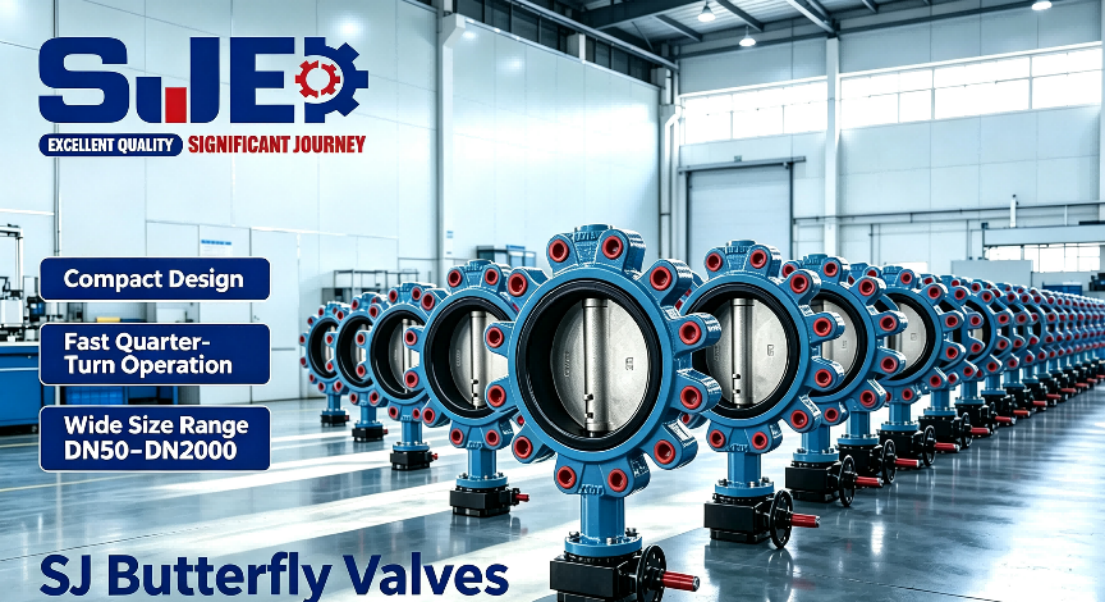
- Lug: Each bolt hole has threads. Its advantage lies in its ability to provide "dead-end service," meaning that the upstream valve can continue operating under pressure even when the downstream pipeline is removed, making maintenance very convenient.
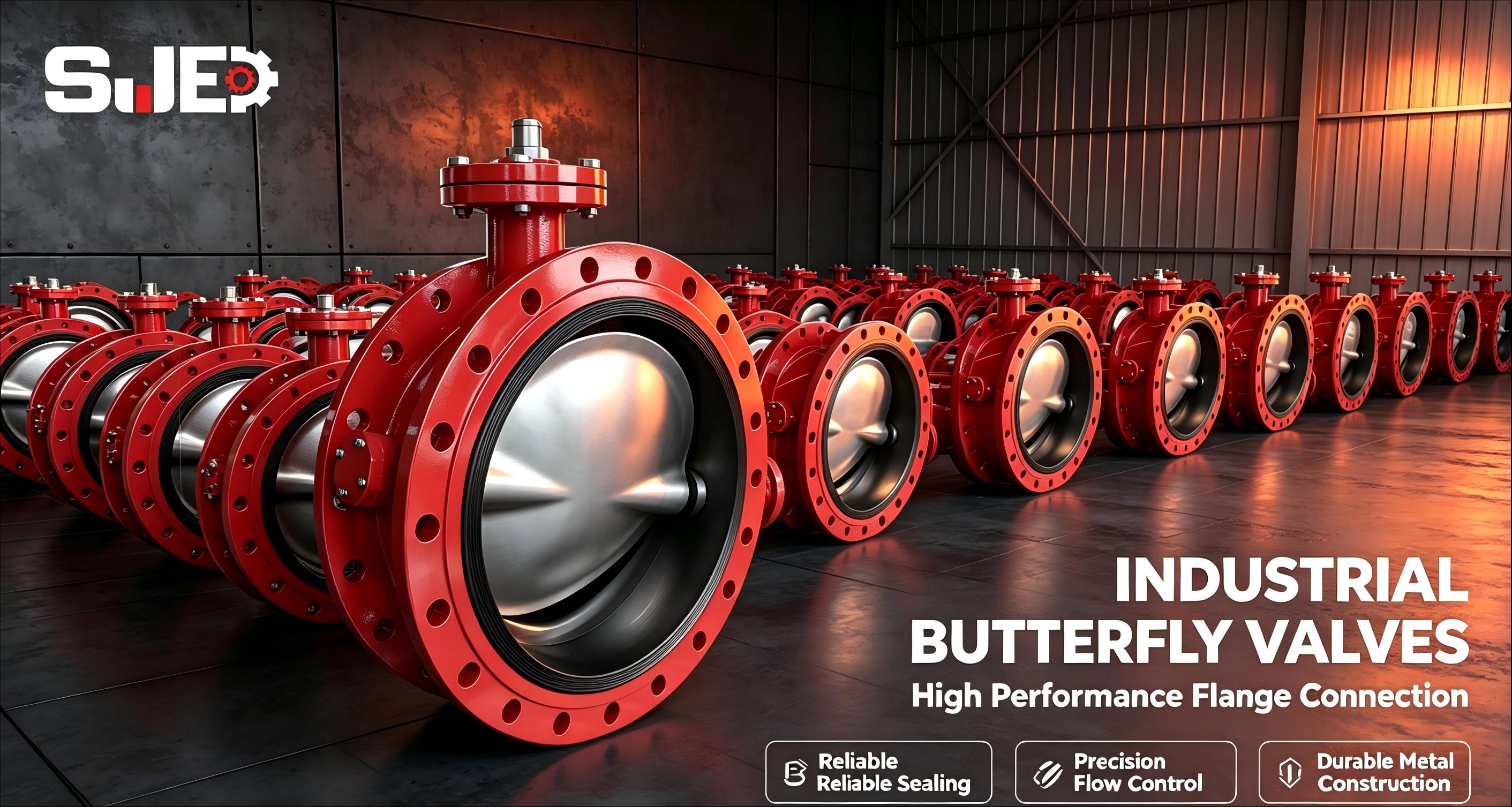
- Double Flange: The most robust structure, typically used for large diameter (DN600 and above) or ultra-high pressure applications, commonly found in municipal water supply and long-distance transmission pipelines.
A: This depends on your requirements for pipeline maintenance convenience:
- Wafer: Offers the best cost-performance ratio, sandwiched between two flanges, suitable for most conventional pipelines.
- Lug: Each bolt hole has threads. Its advantage lies in its ability to provide "dead-end service," meaning that the upstream valve can continue operating under pressure even when the downstream pipeline is removed, making maintenance very convenient.
- Double Flange: The most robust structure, typically used for large diameter (DN600 and above) or ultra-high pressure applications, commonly found in municipal water supply and long-distance transmission pipelines.
SJ offers a full range of connection types, conforming to multiple international standards such as ANSI, DIN, JIS, and GB. To cope with the complex engineering environments around the world, SJ valve bodies are all cast using precision casting technology, and the surface is coated with high-quality epoxy resin, which has extremely strong corrosion resistance and can adapt to various harsh indoor and outdoor installation environments.

Conclusion