TOP10 Industrial Valve Types Suitable For Working Conditions
TOP10 Industrial Valve Types Suitable For Working Conditions
TOP10 Industrial Valve Types Suitable For Working Conditions
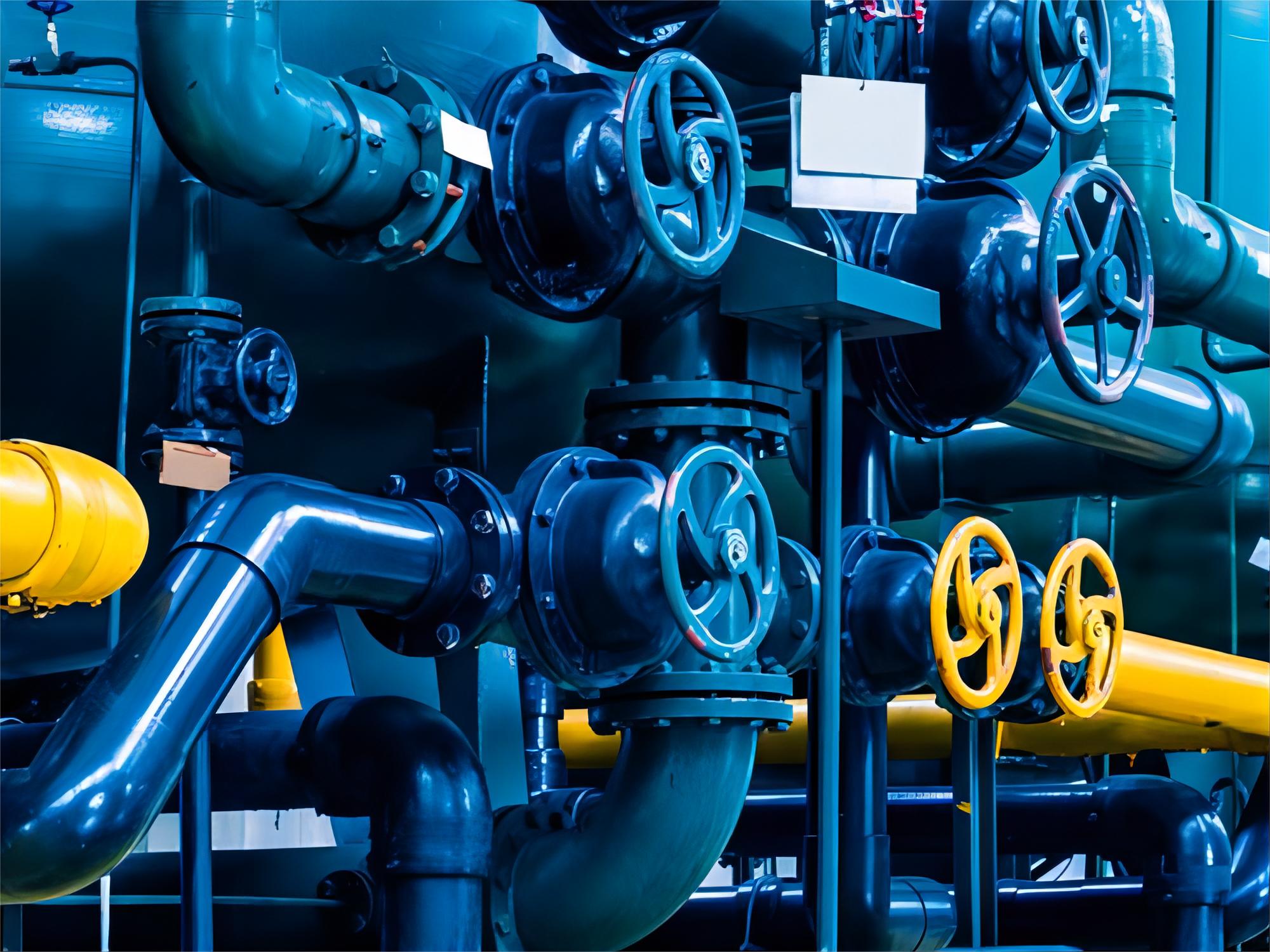
As a leading valve companins, S J industrial valves manufacturer specializes different valve types. In this article, we will outline the different types of valves commonly found in industrial settings. These 10 types of valves have different designs and functions and are used in various industries such as petroleum, chemical, water, and gas industries.
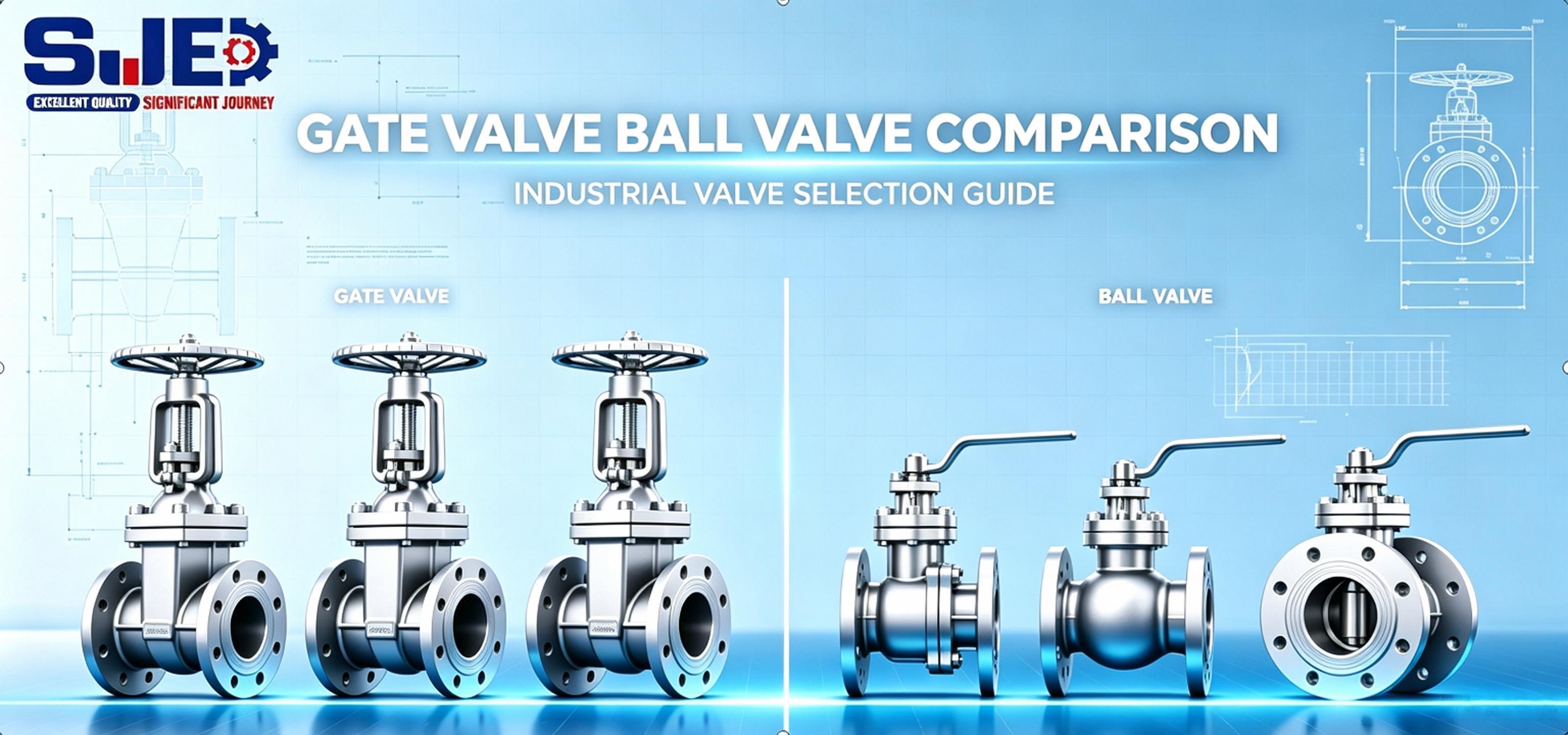
A ball valve is a type of valve that uses a spherical perforated obstruction (a rotary ball) to stop and start the hydraulic flow. A ball valve is usually rotated 90° (quarter-turn valve) around its axis to open and close. It is one of the most widely used valve types. Ball Valves are suitable for both liquid and gas services. They are highly popular in the chemical, petrochemical, and oil and gas industry because of their long service life and reliable sealing throughout their service life. Ball valves can even be used for vacuum and cryogenic services. Developed around 1936, Ball valves are among the least expensive valves which are available in extremely wide size ranges.
Ball valves are sometimes used as control valves due to their cost-effectiveness but are not preferred as they don’t provide precise control and adjustments. The ball is positioned within a valve body, and a handle or actuator is used to rotate the ball either perpendicular or parallel to the flow direction, thus controlling the fluid flow. When the hole aligns with the flow direction, the valve is in the open position, allowing fluid to pass through. Conversely, rotating the ball to block the hole closes the valve, stopping the flow.
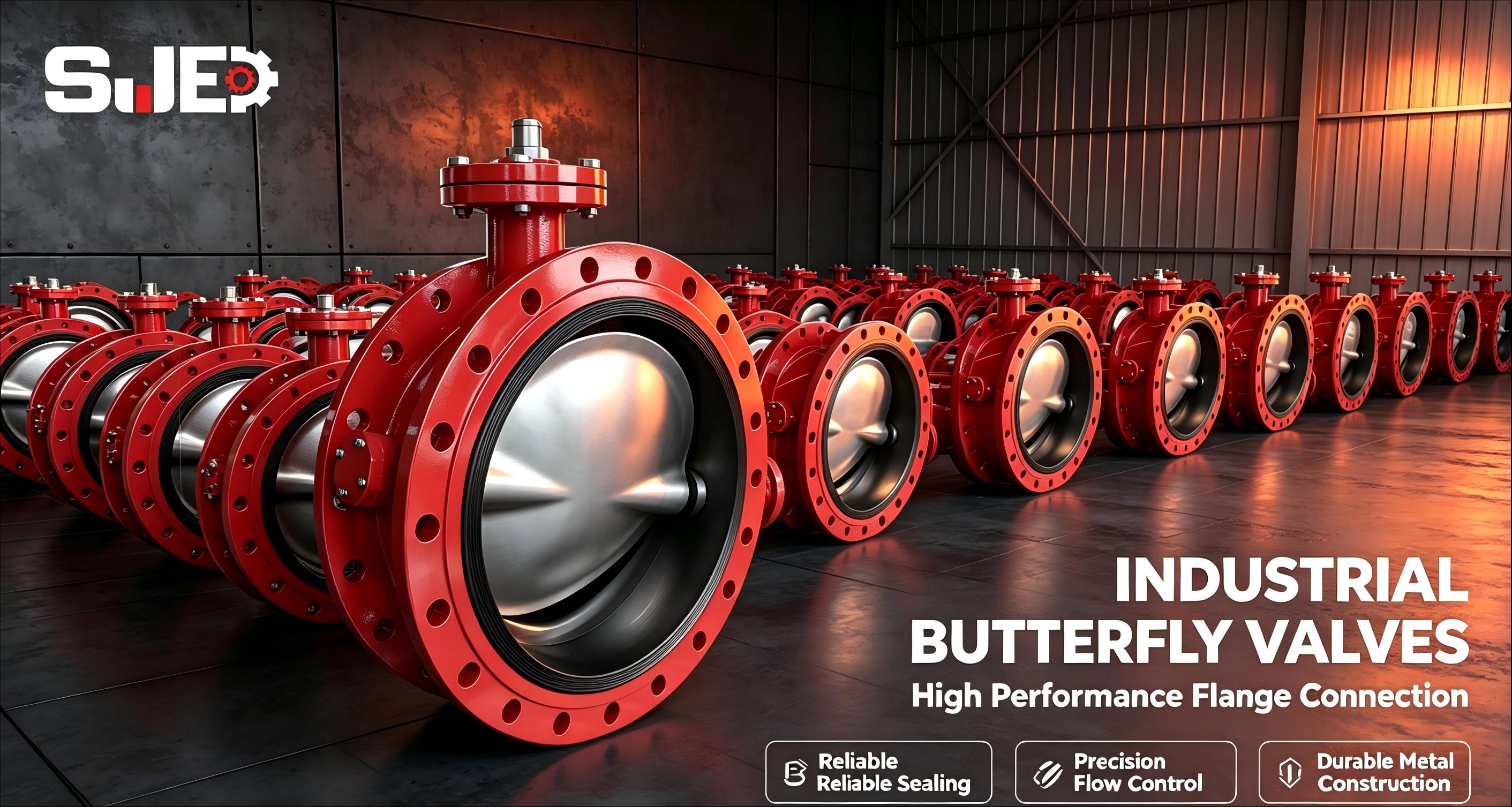
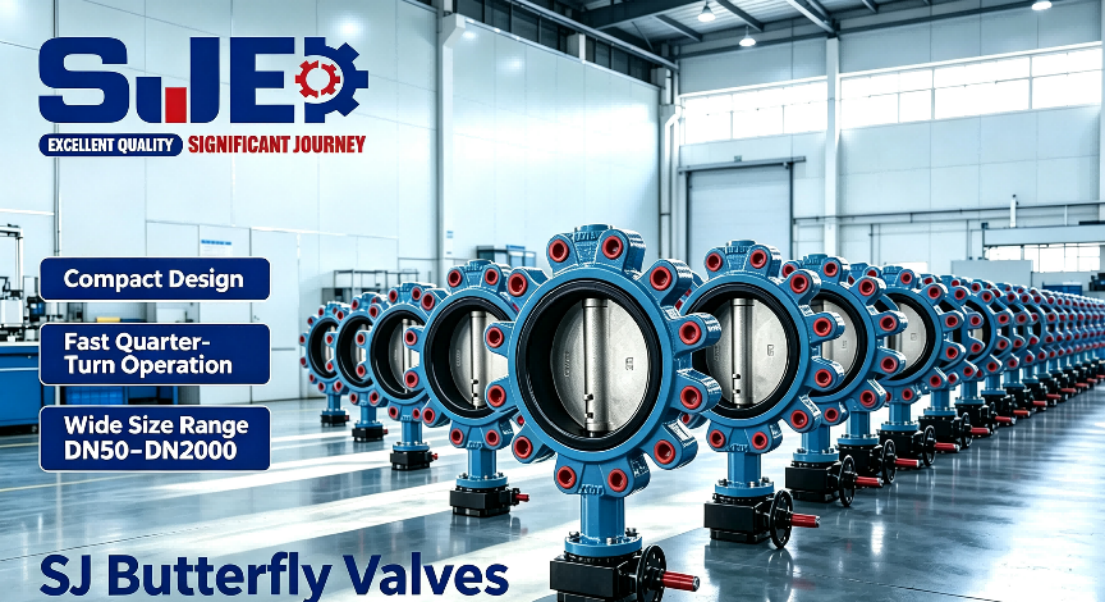
A butterfly valve is a valve that isolates or regulates the flow of a fluid. The closing mechanism is a disk that rotates.Butterfly valves are among the family of quarter-turn valves and work very similar to ball valves. The “butterfly is a disk connected to a rod. It closes when the rod rotates the disc by a quarter turn to a position perpendicular to the flow direction. When the valve opens, the disk is rotated back to allow the flow. Butterfly valves are used for on-off or modulating services and are popular due to their lightweight, small installation footprint, lower costs, quick operation, and availability in very large sizes. These valves can be operated by handles, gears, or automatic actuators.
Gate valves—one of the original valve designs—are ideally suited for on-off, primarily liquid, service. A gate valve functions by lifting a rectangular or circular gate out of the path of the fluid. When the valve is fully open, gate valves are full bore, meaning there is nothing to obstruct the flow because the gate and pipeline diameter have the same opening. This bore diameter also determines the valve size. An advantage of this fullbore design is very low friction loss, which saves energy and reduces total cost of ownership.
Globe valves are a type of control valve that is used to regulate the flow of fluids through a pipeline. They are designed with a globe-shaped body and a movable disk (or plug) that can be lowered onto the valve seat to shut off the flow, or raised to allow the flow to pass through the valve. Globe valves are commonly used in applications that require precise control of the flow rate, such as in the chemical, petrochemical, and power generation industries. They are also used in applications where the fluid is highly corrosive or abrasive, as they can be designed with materials that are resistant to these types of substances. The main advantages of globe valves include their ability to provide precise control of flow rate and their ability to be used in a wide range of applications. However, they also have some disadvantages, including their relatively high cost, their tendency to create pressure drops in the pipeline, and their susceptibility to damage from particulate matter in the fluid.