Understanding Different Types of Valve Connections
Understanding Different Types of Valve Connections
Understanding Different Types of Valve Connections
Valves are components that control the flow of fluids or gases in a system. They come in various types and sizes, and they can be connected to a system using different types of connections. The three most common types of valve connections are threaded, flanged, and welded.
Threaded Connections: Threaded connections are the most popular type of valve connection. They are used in low-pressure applications and are primarily made of brass or stainless steel. The valve is connected to the system by screwing it onto a threaded pipe or fitting. Threaded connections are easy to assemble, disassemble, and reassemble, making them ideal for applications that require frequent maintenance.
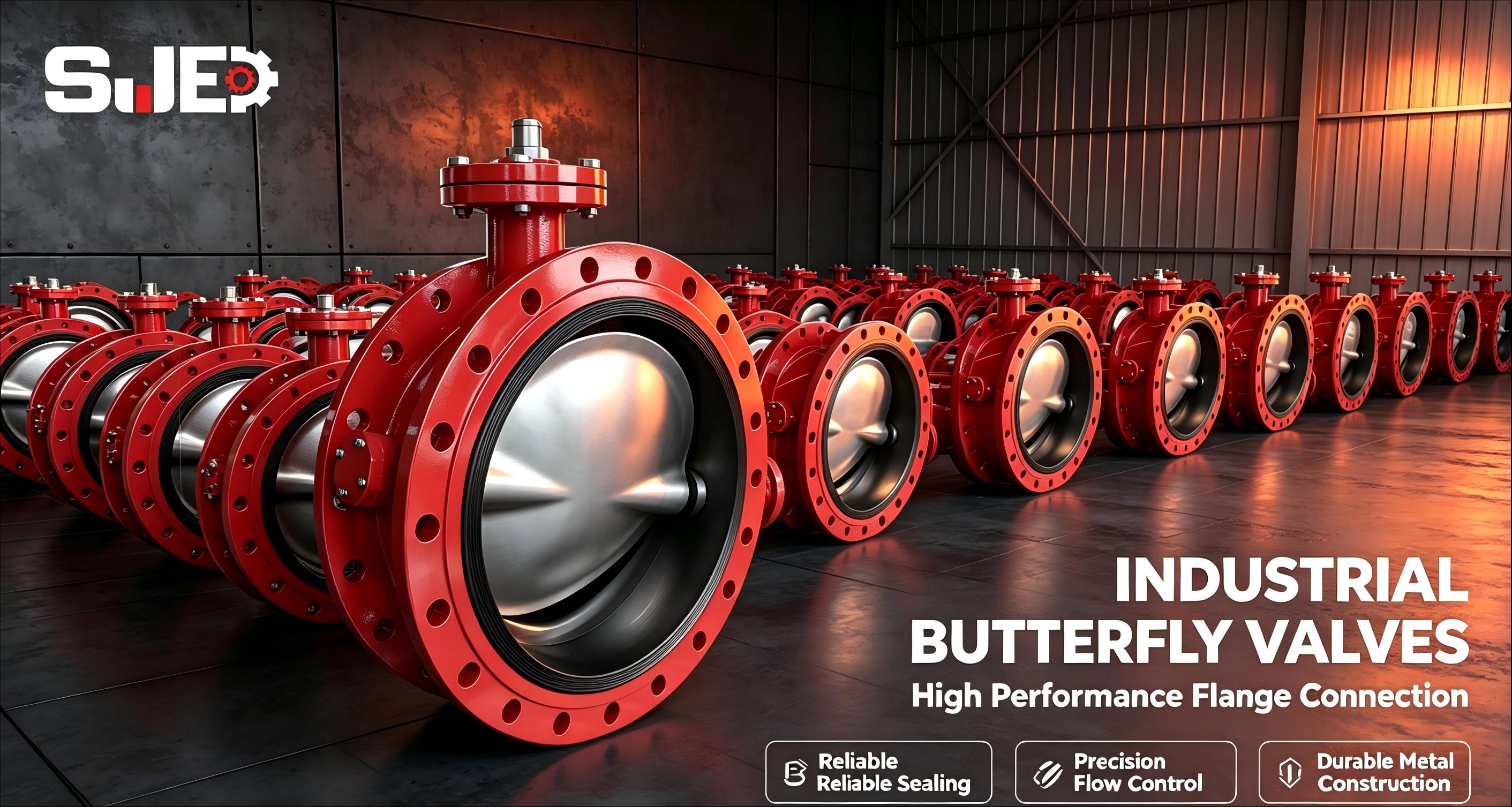
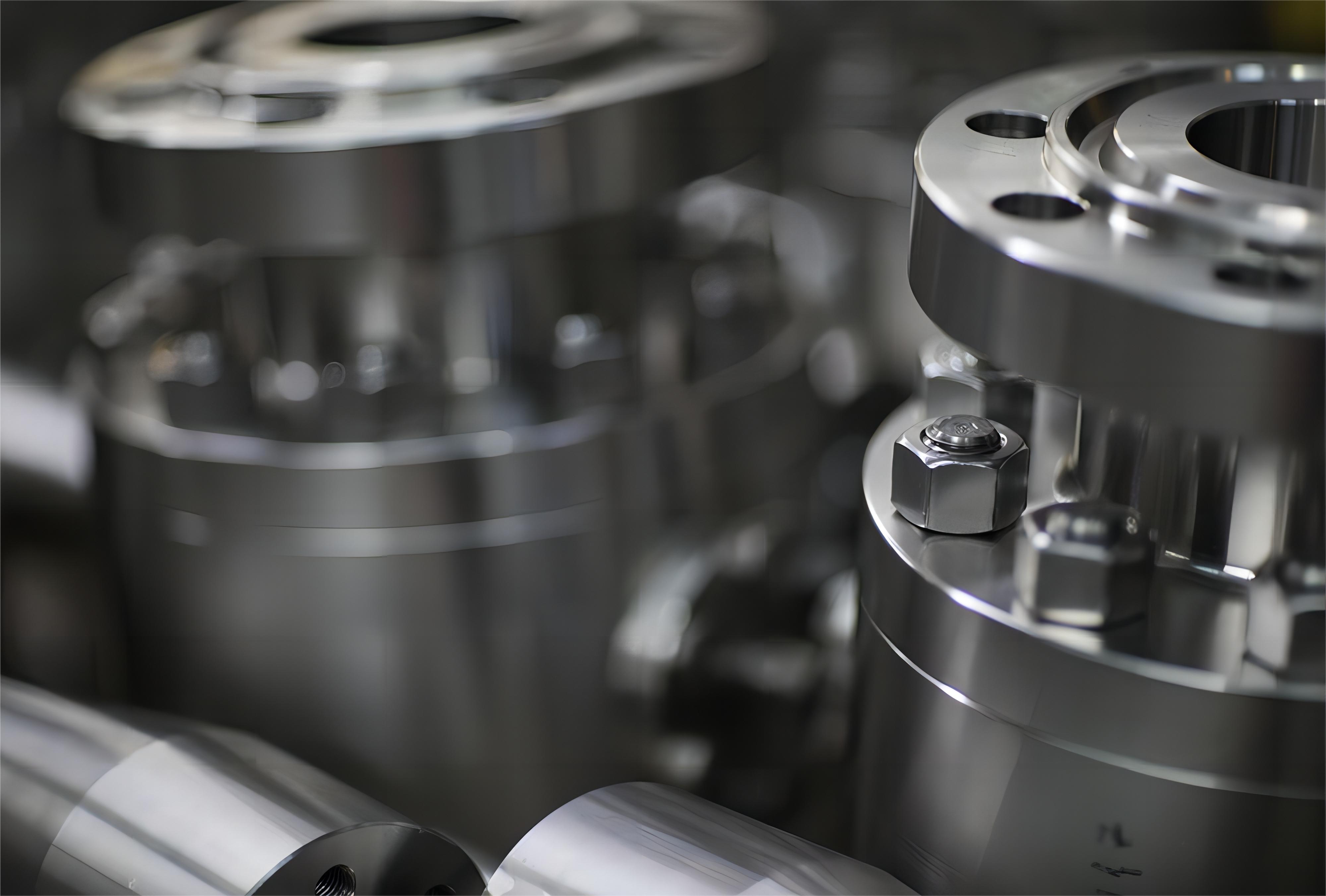
Flanged Connections: Flanged connections are used in high-pressure and high-temperature applications. Flanges are circular discs with holes in the center that connect the valve to the system by bolting them together. Flanges are typically made of carbon steel, alloy steel, or stainless steel. Flanged connections are the most reliable and durable type of valve connections and are commonly used in the oil and gas industry.
Welded Connections: Welded connections are used in applications that require a permanent connection between the valve and the system. The valve is welded to the pipe or fitting using welding techniques such as TIG, MIG, or stick welding. Welded connections are common in high-pressure and high-temperature applications, such as in chemical and petrochemical plants, where leakage can be hazardous.
In conclusion, understanding the different types of valve connections is crucial in selecting the most suitable valve for a given application. Factors such as pressure, temperature, material compatibility, and maintenance requirements must be considered when choosing a valve connection.