What is a Circulation Pump and How Does It Work
What is a Circulation Pump and How Does It Work
What is a Circulation Pump and How Does It Work?
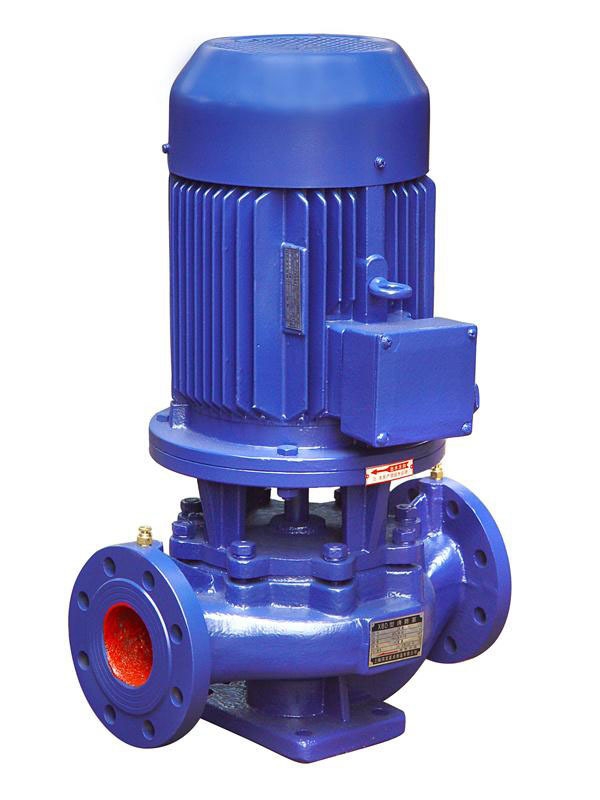
A circulation pump is a device that circulates liquids in closed-loop systems for various processes, including reaction, absorption, and cooling.Unlike other pumps that are classified by their structure (like centrifugal pumps), circulation pumps are defined by their purpose: overcoming pressure drops in a closed system with a relatively low lift capacity.
As a core component in fluid power systems, these pumps use mechanical energy to move liquids directionally.They are essential for applications like HVAC, industrial cooling, and district heating.According to a 2024 report from the International Hydraulic Institute (IHI), improving circulation pump operations can cut a building's energy use by 12-18%, significantly reducing its overall lifecycle costs.
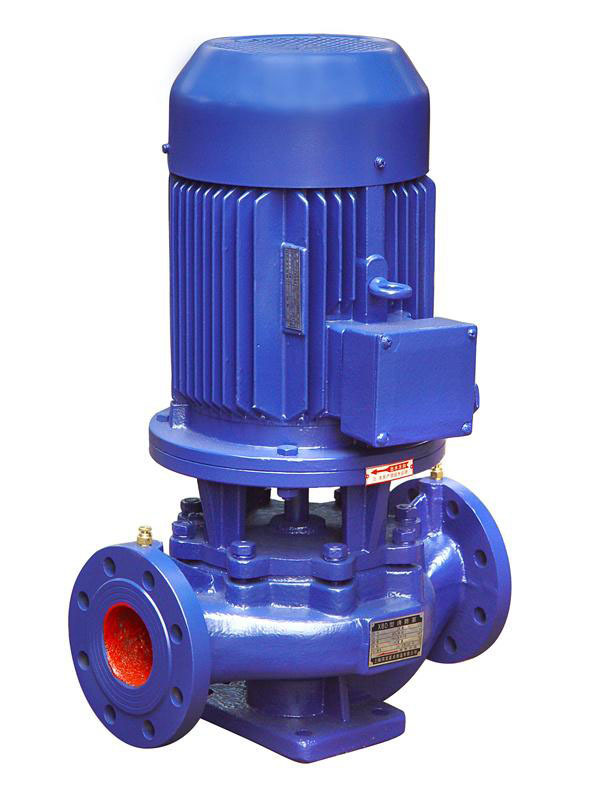


The working principle of circulating pump is to suck liquid into the pump body through mechanical movement, and then transport the liquid to the needed place through pressure.
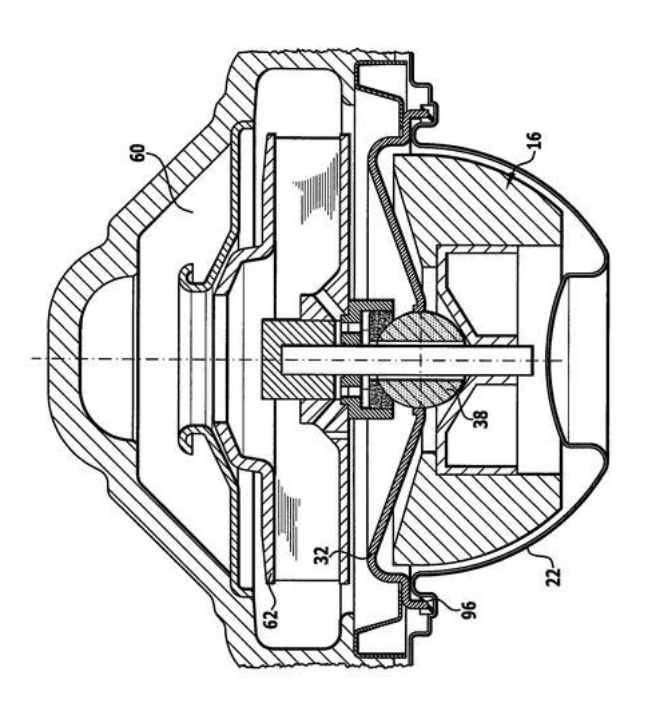
Operation procedure
1.Liquid Intake:
The impeller or piston generates a low-pressure zone, drawing liquid into the pump.
2.Pressure Generation:
The rotating impeller accelerates the liquid, converting mechanical energy into kinetic energy.
3.Liquid Delivery:
Pressurized liquid is transported through pipelines to targeted systems (e.g., heating networks or cooling towers).
4.Continuous Circulation:
The pump maintains a closed-loop flow to sustain system demands, such as HVAC temperature control or industrial process stability.
Main Classification
Based on their application and installation, circulation pumps fall into several main types:
-
Internal Circulation Pumps: These pumps are designed as an integrated part of a system, often found inside a boiler or other specific equipment. Their small, compact size makes them easy to integrate and ideal for small-scale systems.
-
External Circulation Pumps: Unlike internal pumps, external pumps are standalone units that are easy to install into existing piping. They are well-suited for larger systems that require higher flow rates and pressure.
-
In-line Pumps: These pumps are mounted directly into a pipeline to propel liquids over long distances. They are particularly effective for applications where liquids need to be transported across an extended area.
Application Scenarios
Circulation pumps are essential in many applications that require fluid transfer. Here are some of the most common uses:
-
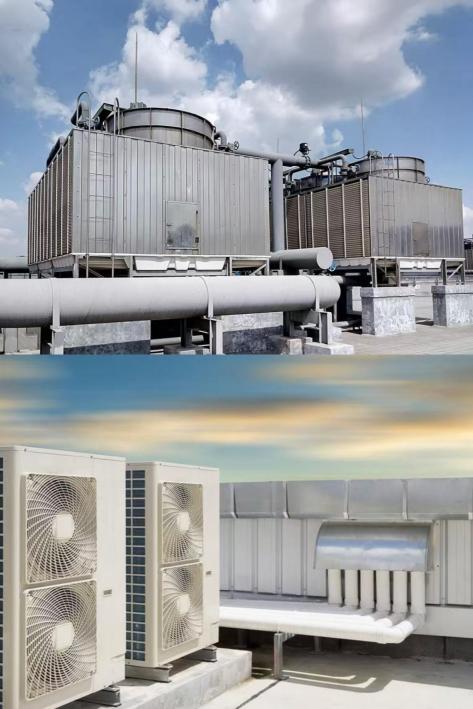
HVAC Systems: In both air conditioning and heating systems, circulation pumps move chilled or heated water and refrigerants throughout buildings. This process is crucial for maintaining a comfortable and consistent indoor temperature and humidity.
-
Cooling Systems: These pumps are vital in industrial cooling, where they continuously circulate cooling water to manage and reduce equipment temperatures, preventing overheating and ensuring operational efficiency.
-
Fire-Fighting Systems: In fire safety, circulation pumps maintain a consistent flow of water through the system. This ensures the water supply is reliable and ready for use in an emergency, greatly enhancing the system's overall safety and performance.
Common Issues with Circulation Pumps and solutions
1. Pump Fails to Start
-
Cause: The motor is faulty, there's an issue with the power supply, or a foreign object is stuck in the pump.
-
Fix: Inspect the motor and power supply to ensure they're working correctly. Clear any foreign objects from the pump body.
2. Low or No Flow
-
Cause: Valves are improperly set, there's a leak in the suction pipe, the impeller is damaged or clogged, or the pump speed is too low.
-
Fix: Check and adjust the valves to the correct position. Replace a leaky suction pipe, and clean or replace a damaged impeller. Verify that the power supply and motor are providing the required speed.
3. Vibration and Excessive Noise
-
Cause: The pump shaft is bent, the bearings are damaged, or the pump is not installed securely.
-
Fix: Straighten or replace the pump shaft. Replace any damaged bearings and reinforce the pump's base for a firmer installation.
4. Bearings Overheat
-
Cause: Insufficient or poor-quality lubricant, damaged bearings, or the pump and motor shafts are misaligned.
-
Fix: Add or replace the lubricant. Replace any damaged bearings and adjust the alignment of the pump and motor shafts to ensure concentricity.
5. Over-power Operation
-
Cause: Friction in the rotating parts, excessive speed, or the liquid's specific gravity or viscosity exceeds the pump's standards.
-
Fix: Inspect and adjust the clearance of the rotating parts. Reduce the pump's speed to the specified limit and ensure the liquid being moved meets the required specifications.
6. Liquid Leaking from Pump
-
Cause: A worn sealing ring or a crack in the pump body.
-
Fix: Replace the sealing ring. Repair or replace the pump body as needed.
7. Motor Overheating
-
Cause: Voltage is too high or too low, or the motor is overloaded.
-
Fix: Adjust the voltage to the normal operating range. Check the motor's load and reduce it to an appropriate level.
8. Pump Stops Immediately After Starting
-
Cause: A power supply issue or the safety protection device has been activated.
-
Fix: Check the power supply and fix any faults. Inspect and reset the protection device.
9. Inlet Pressure Too High or Low
-
Cause: The inlet valve is improperly opened or the inlet pipe is clogged.
-
Fix: Adjust the inlet valve to the proper opening. Clear any blockages in the inlet pipeline.
10. Insufficient Outlet Pressure
-
Cause: The outlet valve is opened too wide or the impeller is worn.
-
Fix: Adjust the outlet valve to the correct position. Replace the worn impeller.
Conclusion
Whether it is the temperature control balance of air conditioning system, the reliable water supply of fire fighting pipe network or the cooling cycle of chemical plant, circulation pump is always the key to ensure the safety and efficiency of the system.