What is a Needle Valve
What is a Needle Valve
What is a Needle Valve
Needle Valve Work Principle
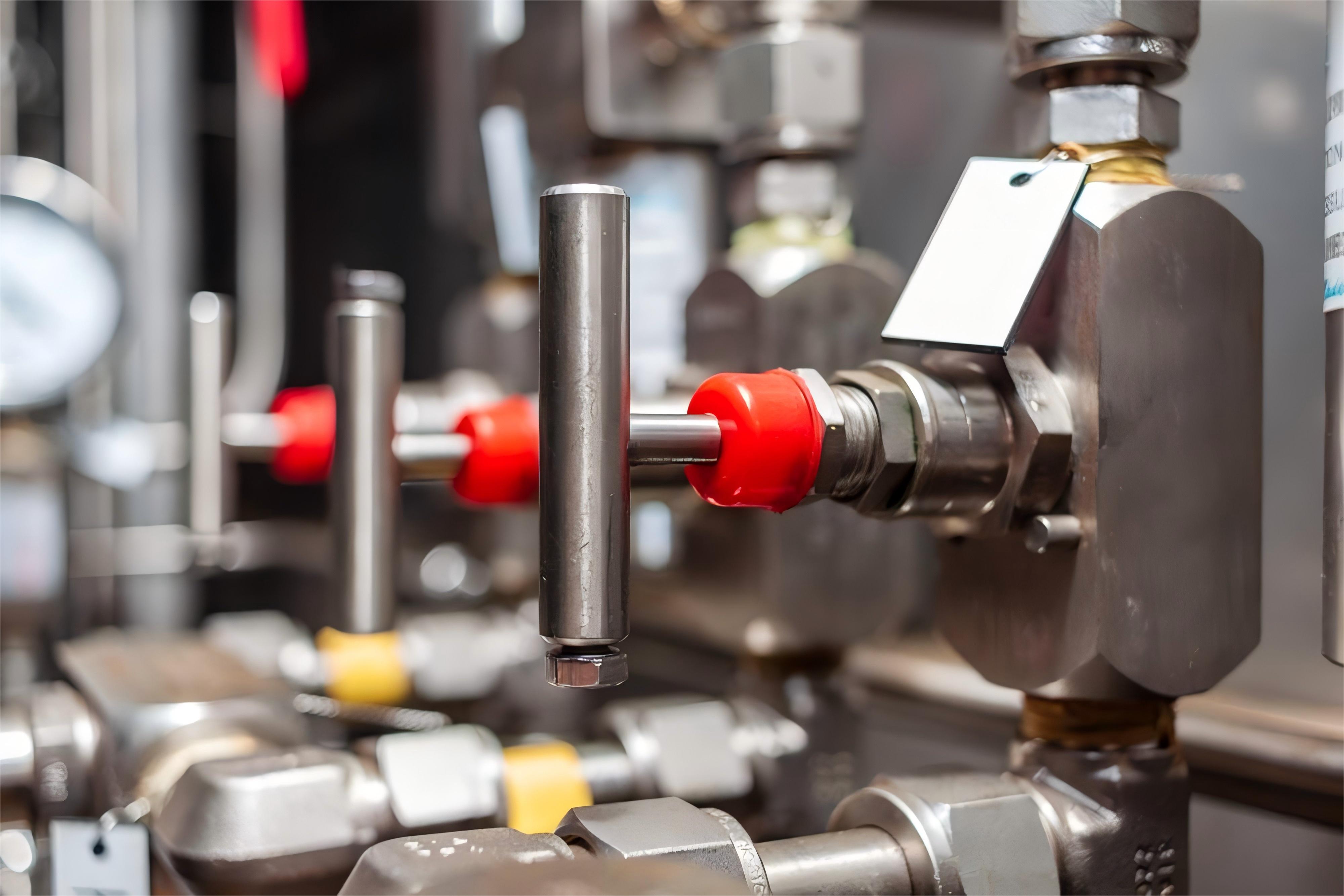
A needle valve works by using a tapered, needle-shaped valve stem to precisely control fluid flow. When you turn the handle, the stem moves vertically, either closing the flow passage or opening it. The fine threads on the stem allow for minute adjustments, giving you exceptional control over the flow rate, especially in low-flow applications.
The valve's precision comes from its design, including the thread pitch and the angle of the needle's cone. These features determine how sensitive the flow regulation is, with finer threads providing more accurate control.
Needle valves are often paired with gauges and other instruments for monitoring and adjusting flow, making them essential for applications where precise flow is critical. The materials used, such as brass or stainless steel, are chosen based on the fluid, pressure, and temperature to ensure durability and compatibility.
In short, the needle valve's design is all about offering meticulous control over fluid flow, making it a crucial component in applications requiring precise regulation.
Needle Valve Types
-
Straight Needle Valve:The straight needle valve has an in-line design where the inlet and outlet are aligned
-
Angled Needle Valve:The outlet of the bevel needle valve is at an Angle to the inlet, usually at a 90 degree Angle to the inlet, which may be beneficial for some pipe configurations.
Needle Valve Materials and Manufacturing
The material of a needle valve is chosen based on its compatibility with the fluid, as well as the pressure and temperature requirements of the application. The two main manufacturing methods are:
-
Bar stock valve: Made from a solid metal rod, these valves are strong and resistant to pressure and impact.
-
Forged Body Valves: Formed under high pressure, this process creates a denser, stronger valve body, making them ideal for high-pressure environments.
Common materials include:
-
Brass: Used for general purposes with non-corrosive fluids.
-
Stainless Steel: Provides excellent corrosion resistance for use with corrosive fluids or at high temperatures.
-
Special Alloys: Materials like Alloy 20, Monel, Hastelloy, and titanium are used for extremely corrosive or high-temperature applications.
-
Plastics: Chosen for low-pressure systems where corrosion resistance is needed.