What is the difference between check valve and butterfly valve?
What is the difference between check valve and butterfly valve?
What is the difference between check valve and butterfly valve?
When selecting the most appropriate valve for a specific application, two valves that are often compared are butterfly valves and check valves. Both types of valves are critical components in controlling fluid flow in industries such as oil and gas, water treatment, and manufacturing. While both types of valves have their own unique features and benefits, they also have some key differences that set them apart from each other. In this article, we’ll explore these differences to help you determine which valve is right for your specific needs.
Butterfly valve definition
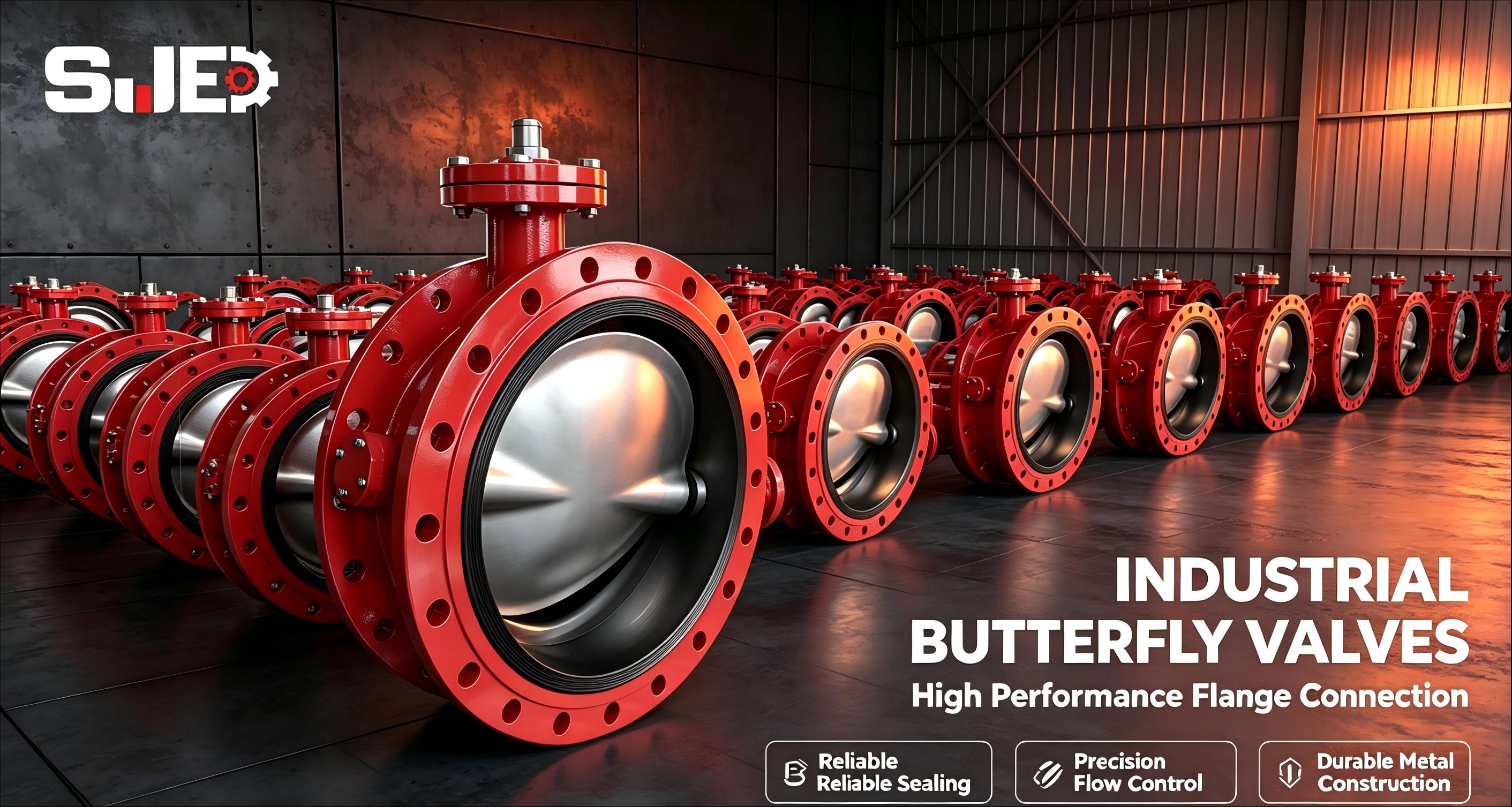
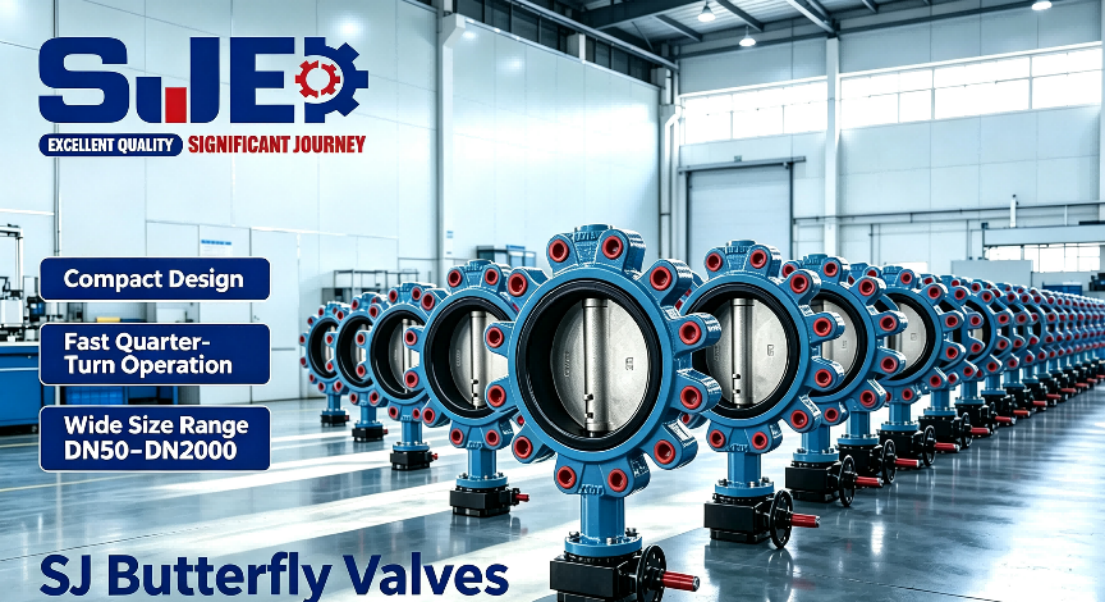
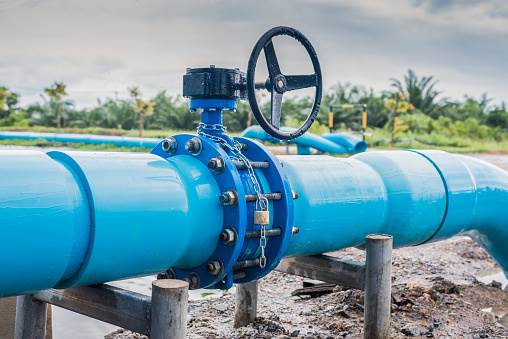
A butterfly valve is a quarter-turn valve used to regulate fluid flow. They consist of a disc mounted on a rotating shaft within the valve body. When the disk rotates perpendicular to the pipe, it blocks the flow of fluid. As the disc rotates parallel to the pipe, it allows fluid to flow through. Butterfly valves are often used in piping systems where cost and weight are important because they are generally more cost-effective and lighter than other valve types.
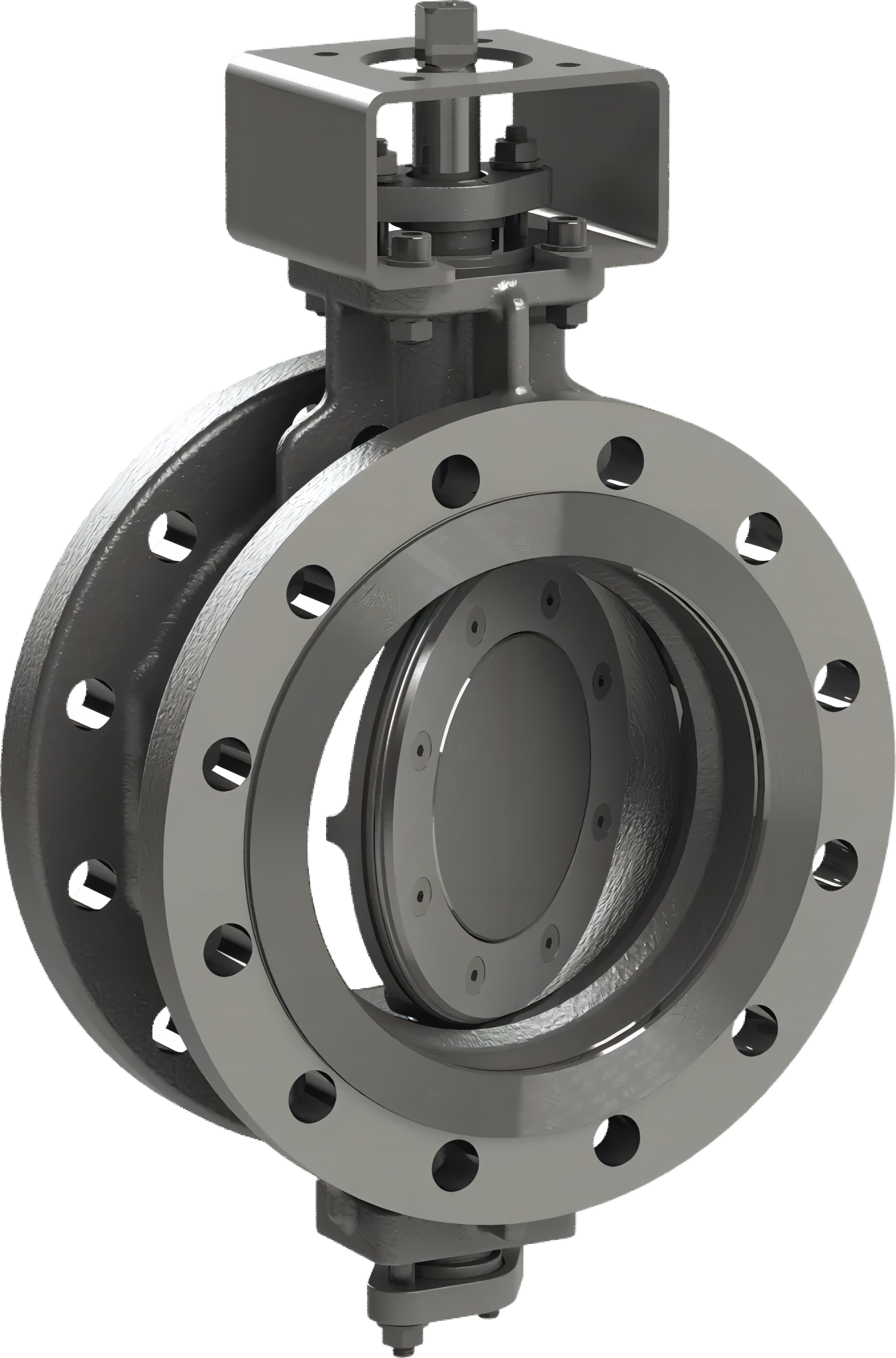
Types of butterfly valves
There are three main types of butterfly valves: wafer type, lug type and double flange type.
Check valve definition
A check valve is an industrial valve used to allow fluid to flow in only one direction and prevent backflow. Consists of a valve body with an inlet and outlet and a mechanism that allows fluid to flow in one direction while preventing it from flowing in the opposite direction. Steam check valve are often used in applications where preventing backflow is critical, such as hazardous or toxic fluids. They come in a variety of designs and sizes, including ball check valves, swing check valves, and piston check valves, among others.
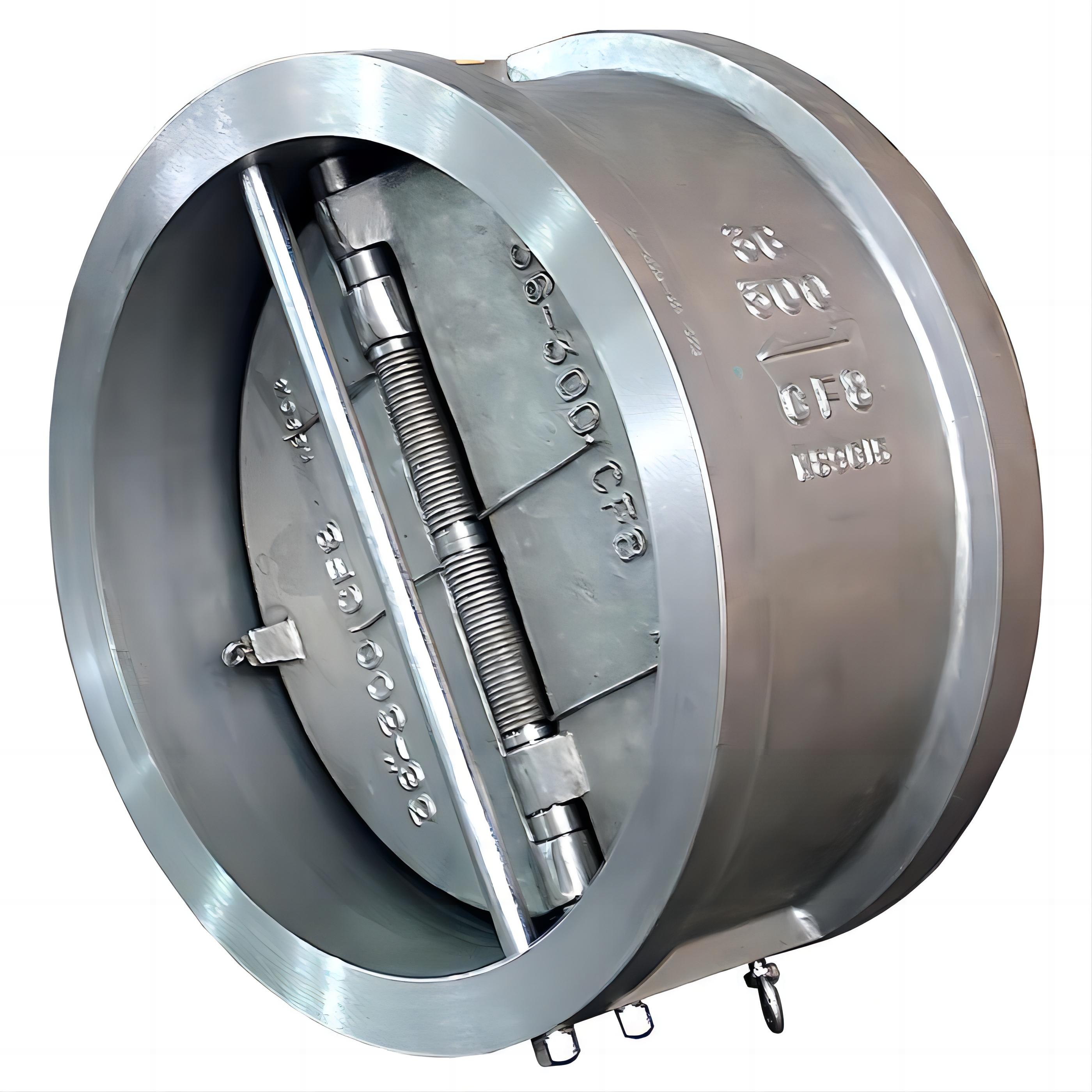
Types of check valves
There are several types of check valves, including:
The main difference between butterfly and check valves
Check valves and butterfly valves are both types of valves used in pipelines to control the flow of fluids, but they differ in their design, function, and application.
Check valves have a disc or flap that swings or pivots on a hinge to allow fluid to flow in one direction only, preventing backflow or reverse flow. They are usually small and compact, and made of materials like plastic, cast iron, or steel.
Butterfly valves, on the other hand, have a flat or curved disc that rotates 90 degrees to open or close the valve. The disc is mounted on a stem that extends through a circular hole in the center of the disc, allowing it to be turned using a handle or lever. Butterfly valves are usually larger and more complex, made of materials like stainless steel, cast iron, or PVC.