For hazardous locations how ball valves adapted
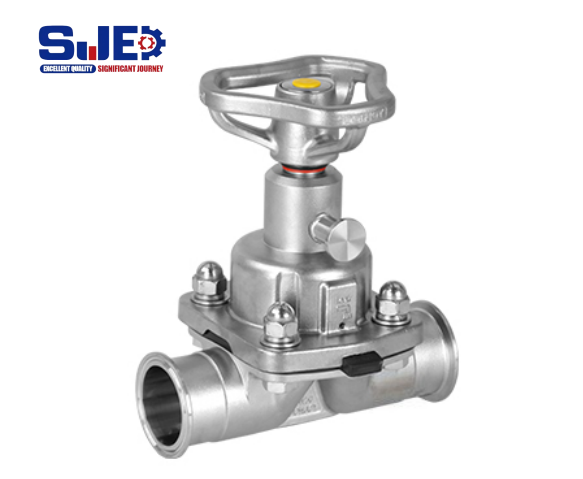
For hazardous locations how ball valves adapted
- Q1: How do ball valves utilize anti-static designs to mitigate risks in flammable environments?
-
Q2: Why is "Fire-Safe Design" a non-negotiable certification for hazardous area valves?
-
Q3: How are materials and stems adapted for corrosive and high-pressure hazardous zones?
-
Q4: How does low-fugitive emission design reduce "invisible" hazards?
-
Conclusion
For hazardous locations how ball valves adapted
When handling hydrocarbons or flammable media, friction between the ball, seats, and stem generates a build-up of static electricity. If these charges are not discharged, a single spark can lead to catastrophic explosions. High-performance ball valves integrate an Anti-Static Device, typically utilizing spring-loaded stainless steel balls to create a continuous conductive path between the ball, stem, and valve body.
SJValve Summary: We embed dual-point, auto-reset static discharge structures at both the upper and lower ends of the stem. This ensures real-time earthing of electrical charges during every actuation, neutralizing the risk of static ignition at the source.

Q2: Why is "Fire-Safe Design" a non-negotiable certification for hazardous area valves?
Per API 607 standards, a fire-safe ball valve must maintain a seal even during an active fire. When soft seats (like PTFE) melt under intense heat, the valve must transition to a secondary metal-to-metal seal. Precision-machined metal lips, pushed by internal media pressure, interface with the ball to prevent massive leakage, providing critical time for emergency response teams.
SJValve Summary: SJValve’s fire-safe series features a unique dual-sealing architecture. Even if the soft seal is completely destroyed, our metal-to-metal backup maintains an extremely low leakage rate, having mastered the industry's most rigorous fire tests.
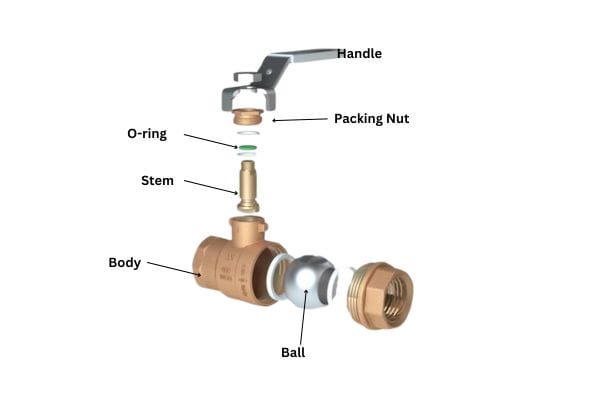
Q3: How are materials and stems adapted for corrosive and high-pressure hazardous zones?
In a hazardous zone, component failure can be lethal. Ball valves must utilize a Blow-out Proof Stem design, using an internal shoulder or "T-type" structure that mechanically locks the stem within the body, preventing it from being ejected like a projectile under pressure surges. Furthermore, for sour service (H2S), materials must comply with NACE MR0175 standards, utilizing specialized alloys like Monel or Hastelloy to prevent stress corrosion cracking.
SJValve Summary: Every SJValve unit destined for hazardous service comes standard with an internal-entry blow-out proof stem and full material traceability reports, ensuring structural integrity even in sour or high-pressure applications.

Q4: How does low-fugitive emission design reduce "invisible" hazards?
Hazards in dangerous locations aren't always explosive; they can be toxic. Fugitive Emissions—the slow, chronic leakage of volatile organic compounds (VOCs)—pose a silent threat to the environment and worker health. Modern adaptations include multi-stage packing systems (V-rings, graphite) and Live-loaded gland bolts that use Belleville washers to maintain constant pressure on the seals, compensating for thermal cycling.
SJValve Summary: Pursuing "Zero Leakage" is the SJValve design philosophy. By combining precision-ground stem finishes with advanced live-loading technology, we help facilities meet the world's strictest environmental and safety monitoring standards.