Difference Type Between Plug Valve and Gate Valve
Difference Type Between Plug Valve and Gate Valve
Difference Type Between Plug Valve and Gate Valve
Both Plug Valve and Gate Valve are stop valves that are suitable for a variety of applications and media types. For example, they can be used to clean media as well as media containing solid or sticky substances. Therefore, it is difficult to determine which method is more suitable for a specific application scenario. First, let's first understand the basic differences between the two through the following content
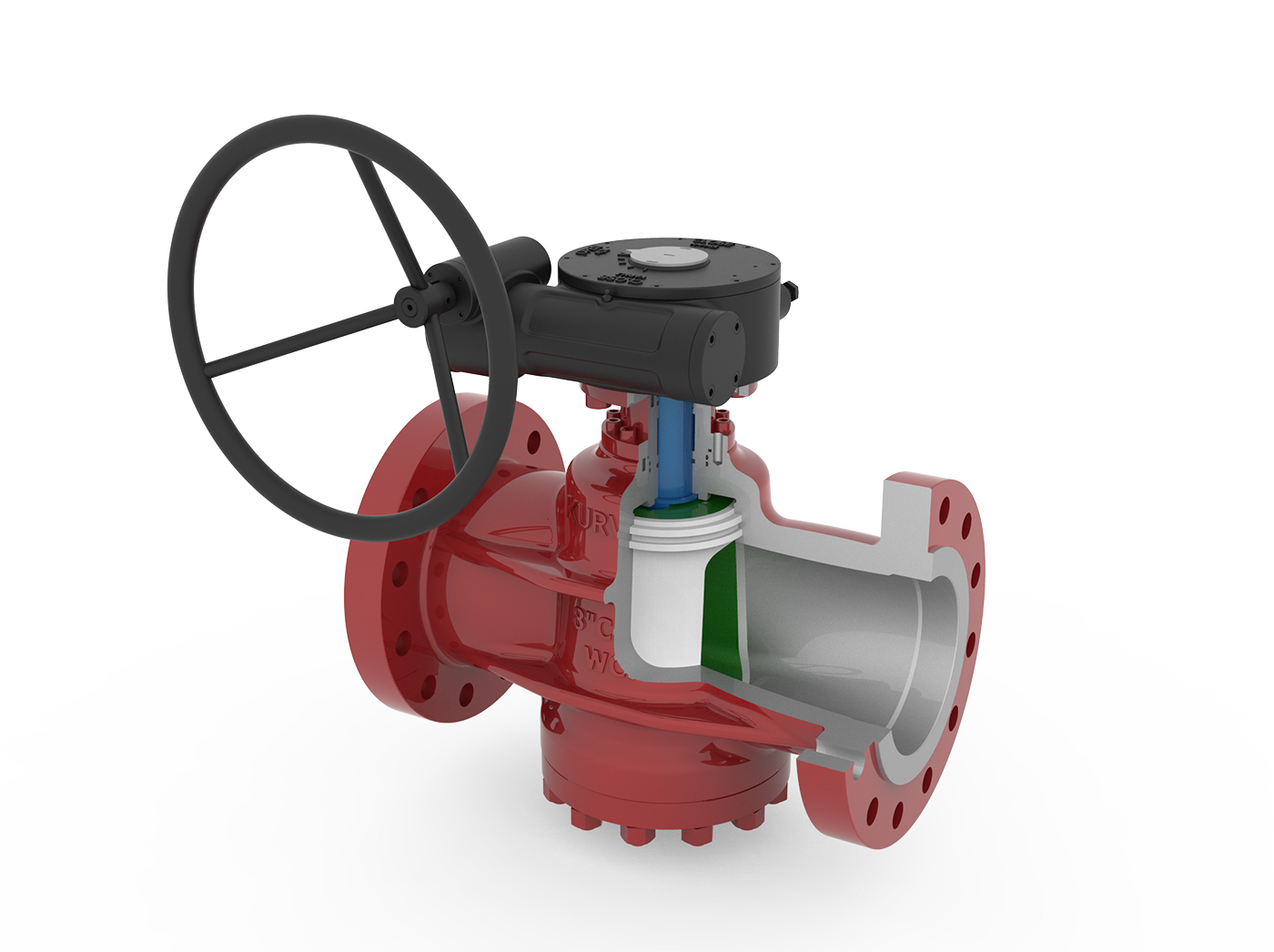

What about Plug Valves
The Plug Valve consists of a cylindrical or conical plug located in the valve body. The disc itself is perforated in such a way that when opened, it aligns with the fluid path, allowing the fluid to pass. The Plug Valve has such an operation that the valve stem is connected to the plug to achieve the rotational movement. Therefore, this type of valve stem makes it possible to drive mechanical levers or pneumatically, allowing the change between control drives. Of course, in order to better cope with the working conditions, it is usually made of stainless steel or other wear-resistant materials, so they can adapt to different types of media.
What about Gate Valves
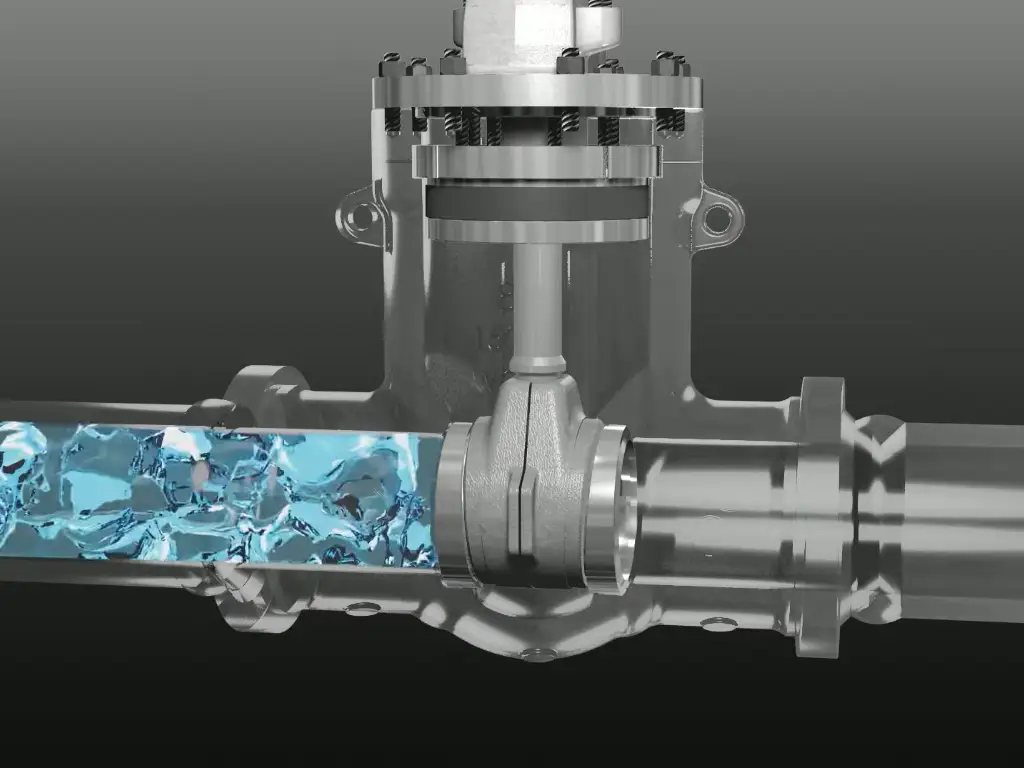
A Gate Valve is a valve that controls the flow of liquids or gases through a pipe. It regulates flow by means of a "gate" - a round or rectangular disc - that slides up and down inside the valve body. Gate Valve are commonly used in applications that require full open/full closed operation, such as water supply pipes, oil pipelines, and air conditioning systems. However, they should not be used in applications that require progressive throttling action because they do not provide any form of pressure regulation. In addition, they cannot be used with viscous fluids because they require high operating torque to open or close the valve. In addition, due to their design, gate valves may stick if not operated regularly, which may cause them to stop over time.
Explore Expanding Gate and Plug Valves
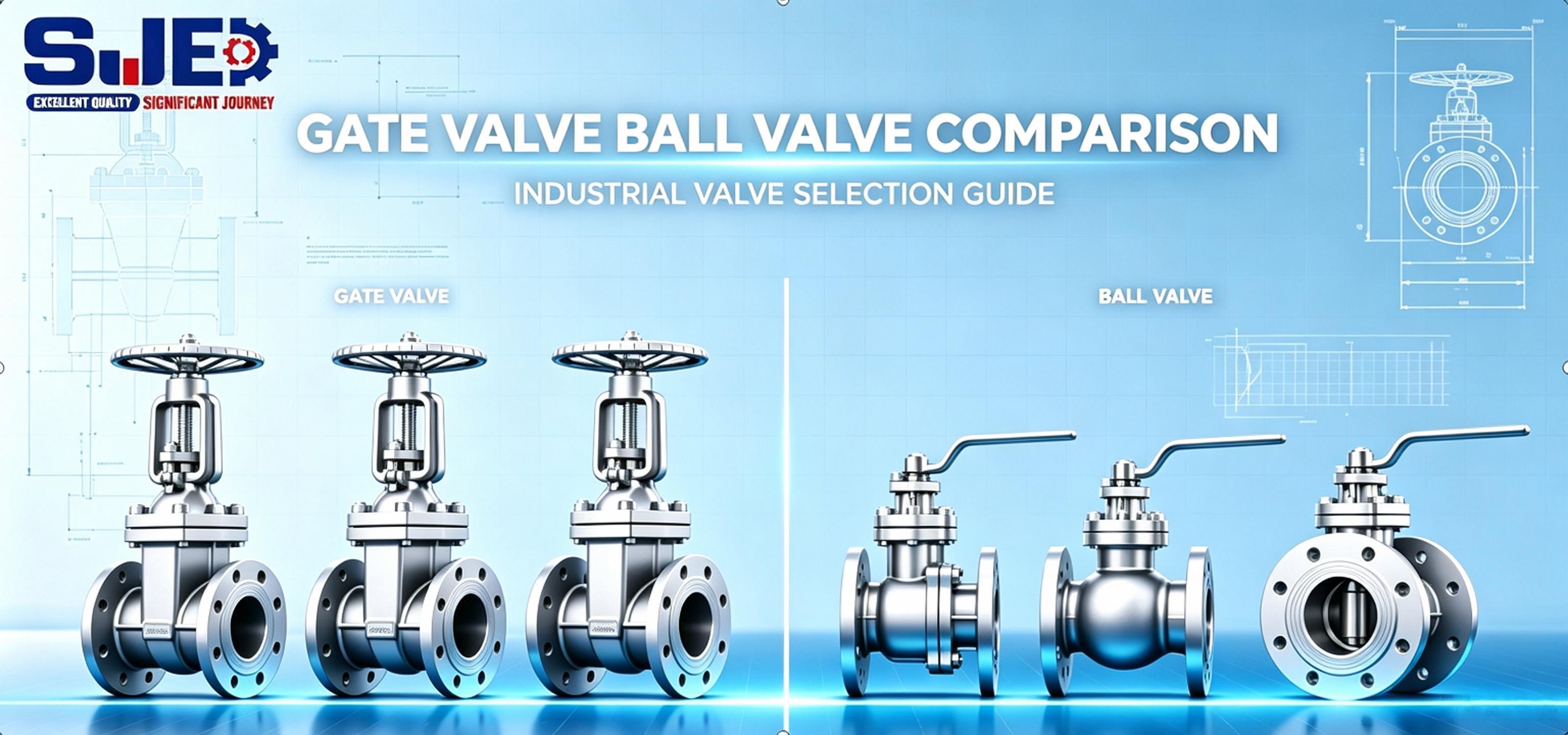
1. Construction: Gate Valve have a gate or wedge-shaped disc that slides perpendicular to the fluid flow to control flow. In contrast, plug valves have a cylindrical or tapered plug that rotates inside the valve body to regulate fluid flow.
2. Operation: Gate valves are usually operated by turning a handwheel or gearbox, which raises or lowers the gate valve, opening or closing the valve. Plug valves, on the other hand, are operated by turning a handle or lever to rotate a plug inside the valve body.
3. Flow Regulation: Gate valves are more suitable for applications where fluid flow needs to be fully open or fully closed. In contrast, plug valves are more versatile and can be used for both on/off and throttling applications.
4. Pressure and Temperature Ratings: Gate valves are generally suitable for higher pressure and temperature applications, while plug valves are more commonly used for lower pressure applications.
5. Maintenance: Gate valves are generally easier to maintain because they have fewer moving parts than plug valves. However, plug valves are easier to disassemble and repair when necessary, and maintenance can be performed without removing the valve from the pipeline.
6. Diameter range: Gate valves usually have larger diameters than plug valves.