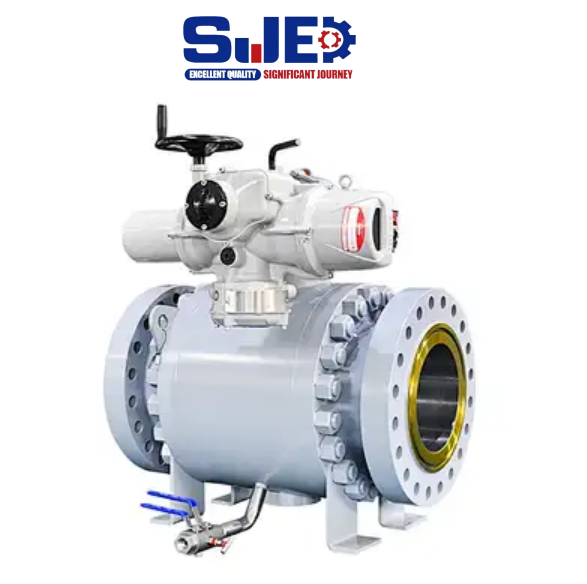
SJ VALVE electric ball valve opens a new chapter in automated fluid control
2026-02-28
SJ VALVE electric ball valve opens a new chapter in automated fluid control
- Q1: What are the main applications of SJ VALVE electric ball valves in?
-
Q2: Compared to traditional valves, what are the core functions of this series of products?
-
Q3: Why is SJ VALVE's electric ball valve rated as "efficient and durable"?
-
Q4: What are the design highlights of the internal structure of the product?
-
Conclusion
SJ VALVE electric ball valve opens a new chapter in automated fluid control
In today's accelerated industrial automation process, the precision and stability of fluid control systems have become the key to improving production efficiency for enterprises. As a senior expert in the field of fluid control, SJ VALVE has always been committed to providing high-performance valve solutions to customers worldwide. Recently, SJ VALVE has launched a brand new upgraded series of electric ball valves. This series of products is rapidly becoming an ideal choice for automation transformation in the petrochemical, water treatment, HVAC (Heating, Ventilation, and Air Conditioning), and power industries due to its excellent structural design, intelligent control integration, and wide adaptability to various working conditions.
Q1: What are the main applications of SJ VALVE electric ball valves in?
A: SJ VALVE electric ball valve is designed specifically for the diverse needs of modern industry, covering the entire industry chain from basic civilian to high-end industrial applications:
- water treatment systems: responsible for remote cutting and regulation of water flow in water plant automation, sewage treatment, and agricultural precision irrigation.
- HVAC (Heating, Ventilation, and Air Conditioning): Widely used in central air conditioning systems for hot and cold water, it automatically adjusts through temperature control signals to achieve energy-saving and temperature control.
- Petroleum and Chemical Industry: Processing crude oil, chemical media, and corrosive fluids, supporting explosion-proof operations in hazardous environments.
- Food and pharmaceuticals: Using materials that meet hygiene standards to ensure zero contamination and high-precision proportioning of fluids during transportation. Automated production line: integrated into the factory's PLC or DCS system to achieve unmanned intelligent fluid scheduling.