
Size Range:20~200(3”)BSP &NPT Safety valve for steam


Size Range:20~200(3”)BSP &NPT Safety valve for steam
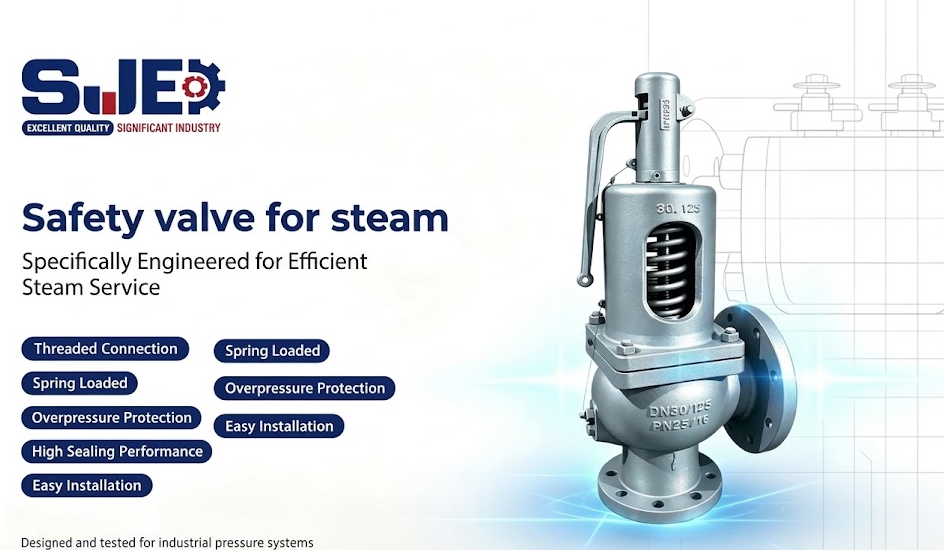
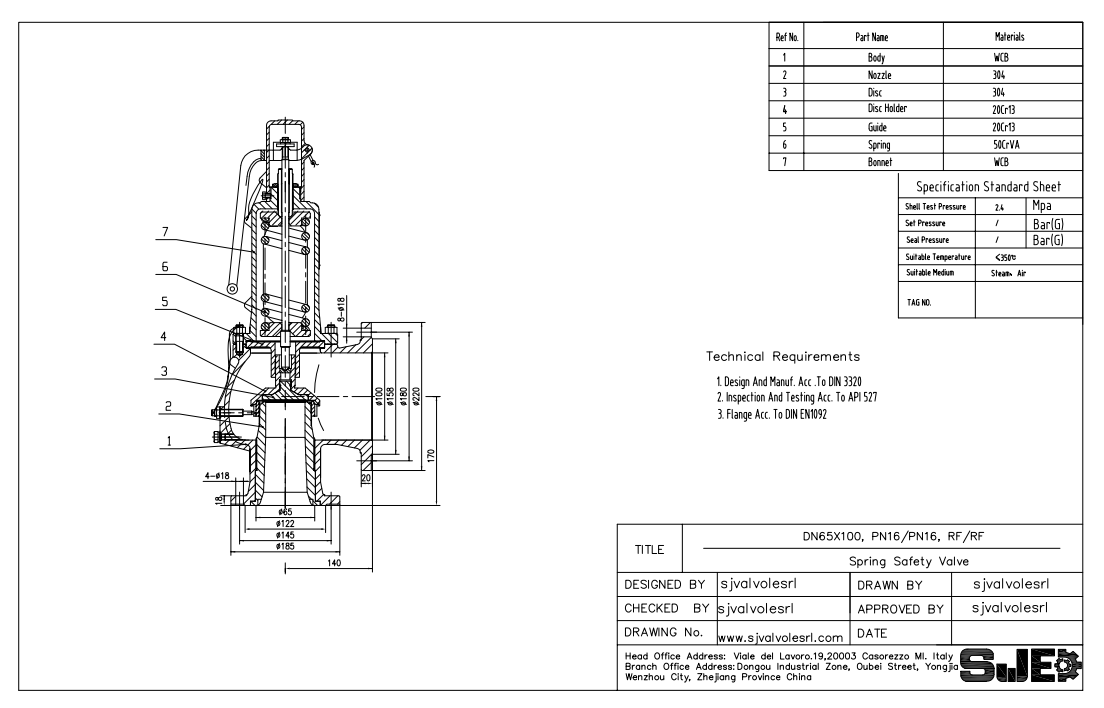
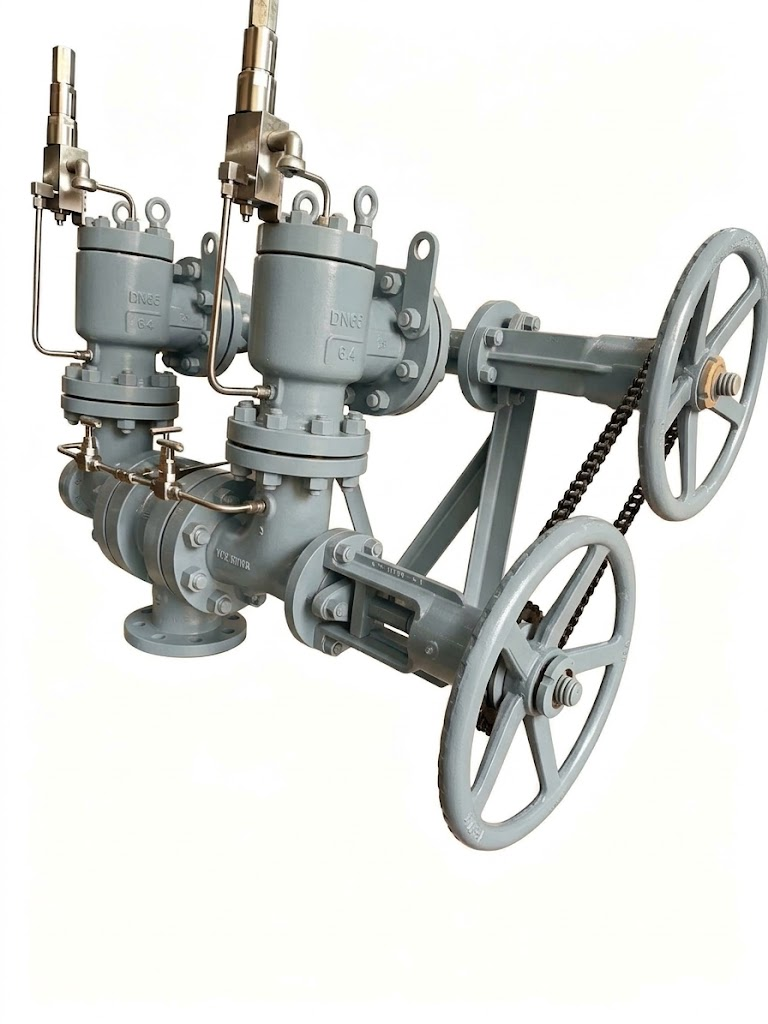
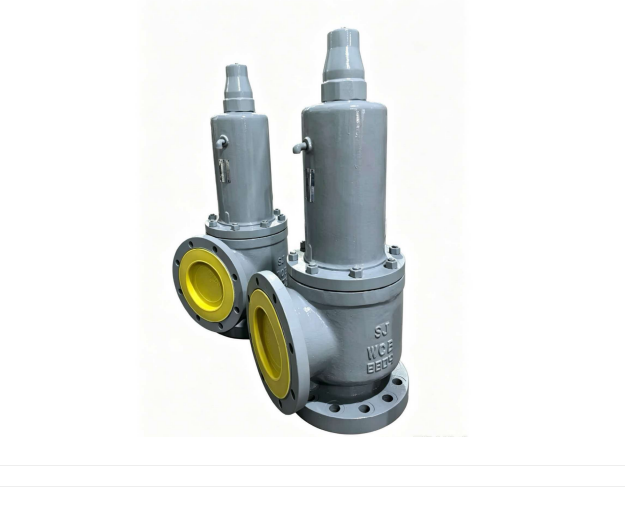
Safety valve for steam
Size Range:20~200mm (3”)
Connection:DIN flange
Temperature range: from –200 °C to 400 °C.
Materials: carbon steel, alloy steel, hastelloy, monel and other materials upon request.
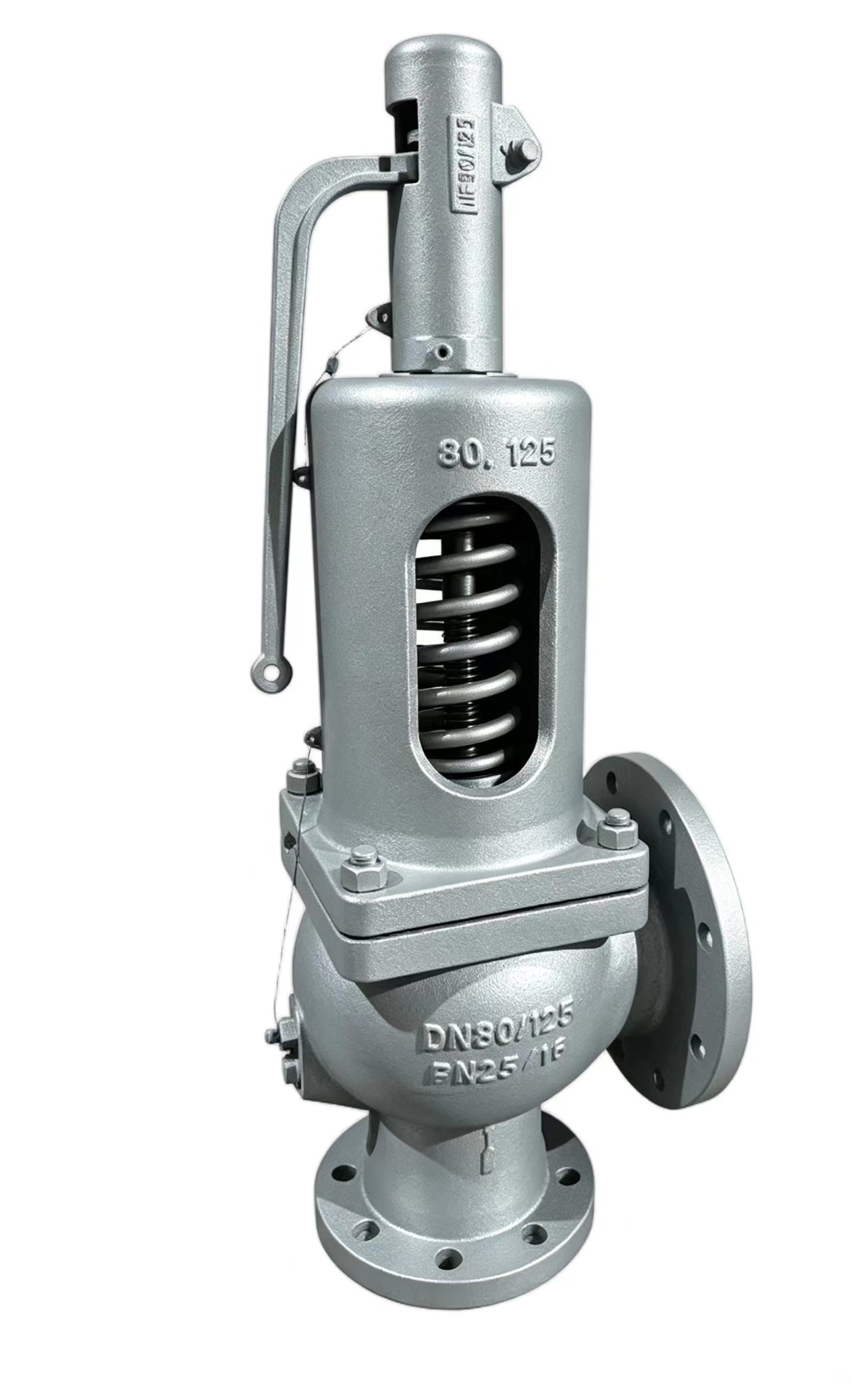
Options: bellows, nozzle, lifting lever, test gag, resilient or hardened seat.
Connection:DIN flange
Temperature range: from –200 °C to 400 °C.
Materials: carbon steel, alloy steel, hastelloy, monel and other materials upon request.
Options: bellows, nozzle, lifting lever, test gag, resilient or hardened seat.
Quantity
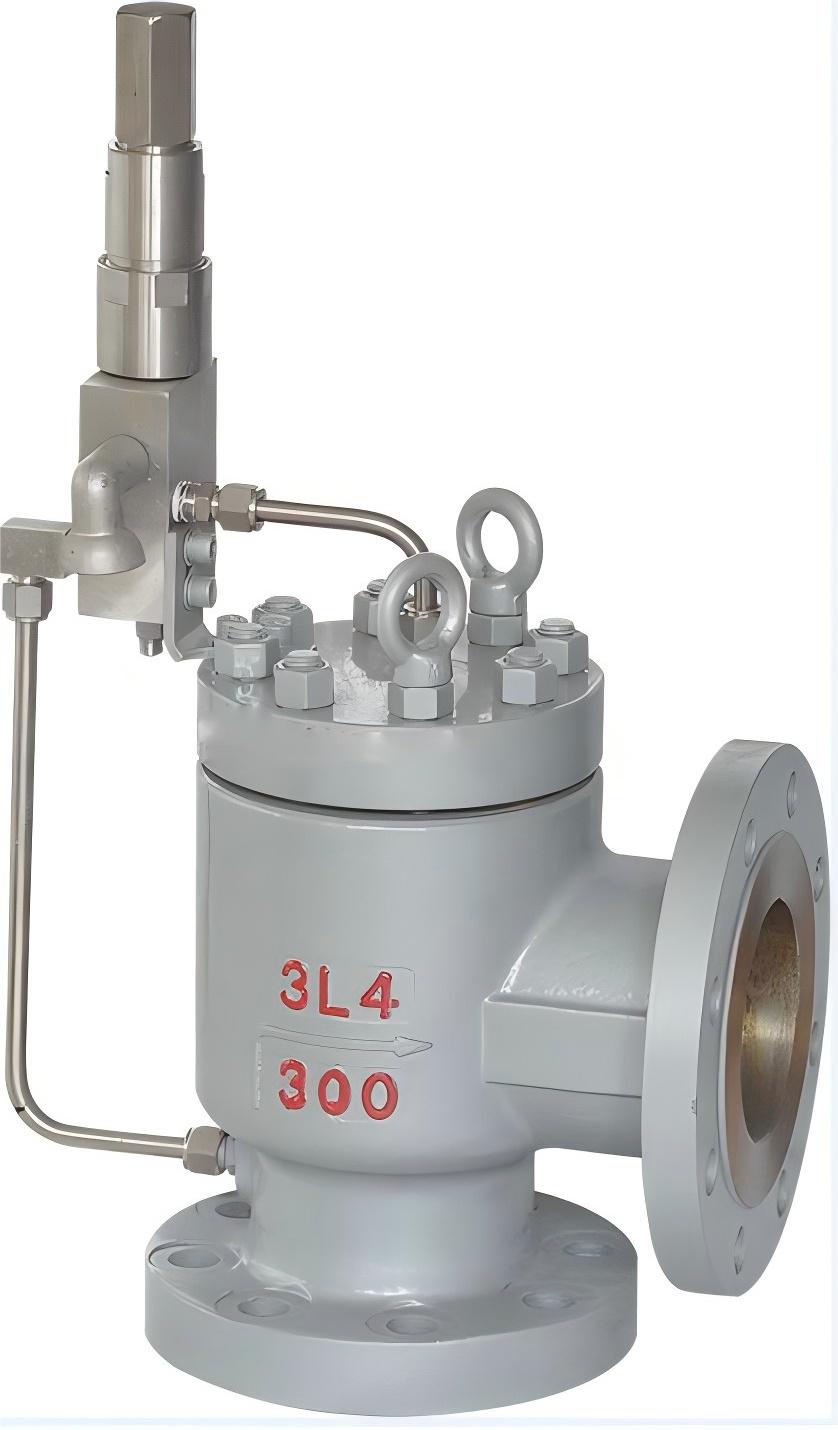
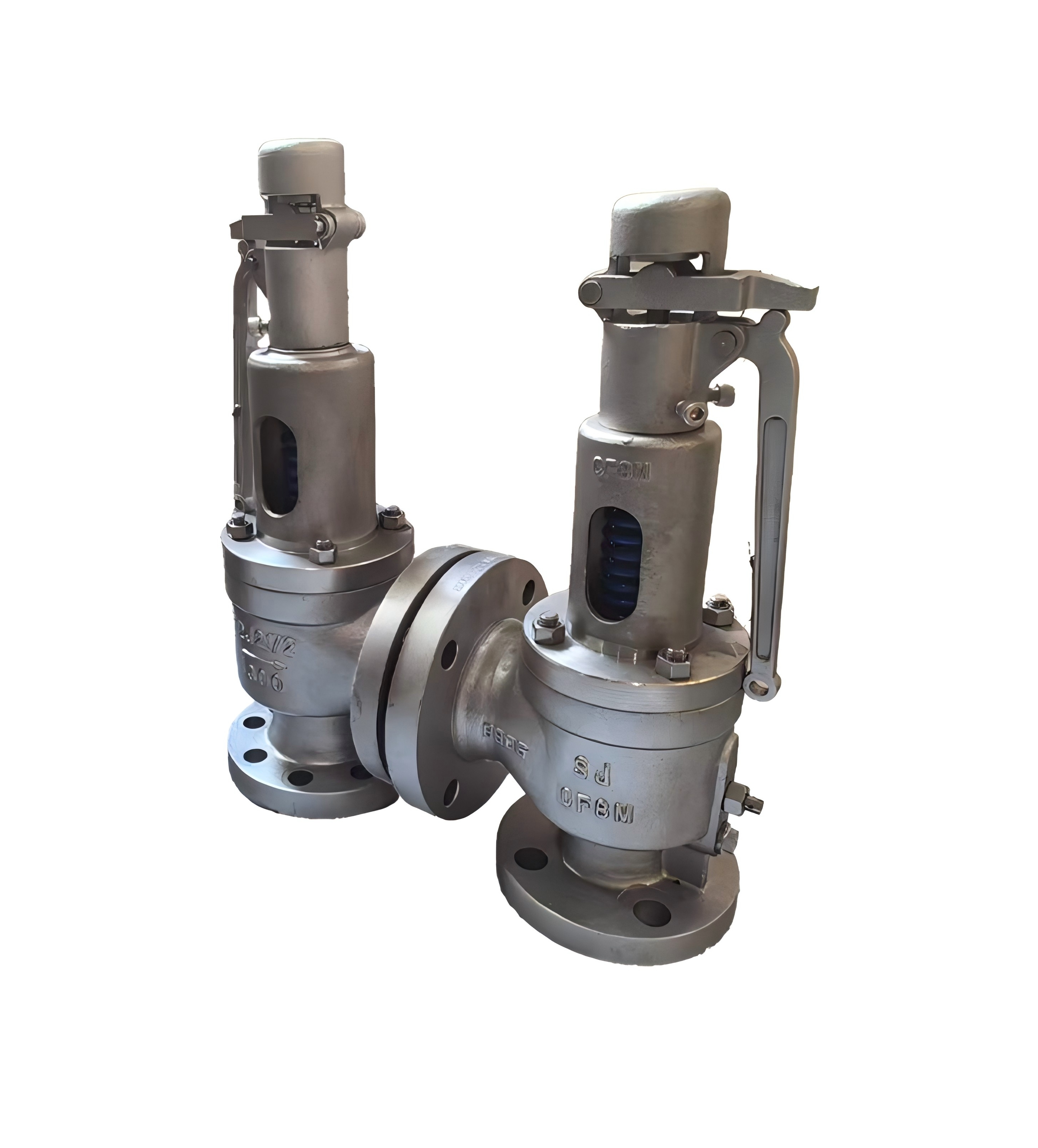
Safety valve for steam
Safety relief valves, also known as relief valves, or safety pressure relief valve, are essential components of many industrial systems because they shield workers and equipment from the potentially disastrous effects of overpressure. They stop excessive pressure increases by releasing fluid or gas from a pressurized system. They preserve the structural integrity of the system and guarantee that it functions within safe limits.
Safety relief valves work on a simple principle: they open when pressure rises above a preset threshold, letting extra material leave until the pressure drops to safe levels.
This article will discuss what a safety relief valve is, its purpose, its types, and how it works.
The safety valves are the last barrier for overpressure. The valves should open to a safe area for a proper pressure relief. They should open at a given pressure even after standing without movement over a longer period.
- Safety valves do not necessarily hold tight, and downstream Pressure build -up must therefore be prevented.
- There are two types of safety valves, spring operated as the most common and pilot -operated valves for higher pressure and volume.
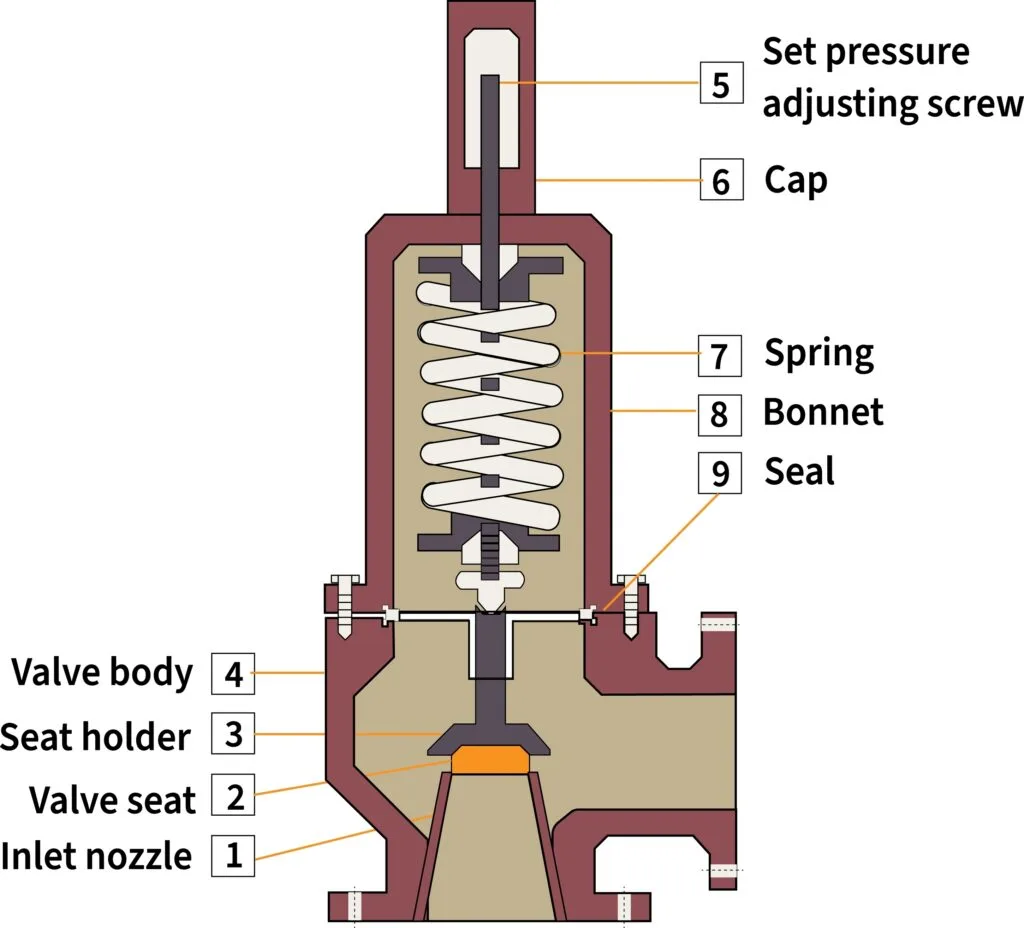
900 series DlN standard safety valves are mainly applied to such trades as petroleum & natural gas, chemistry, electric, metallury & burning gas. Asthe super-pressure protecting equipment. With high precision of action, good recycling function and fast turning back to seat, operating and maintaining convenience.
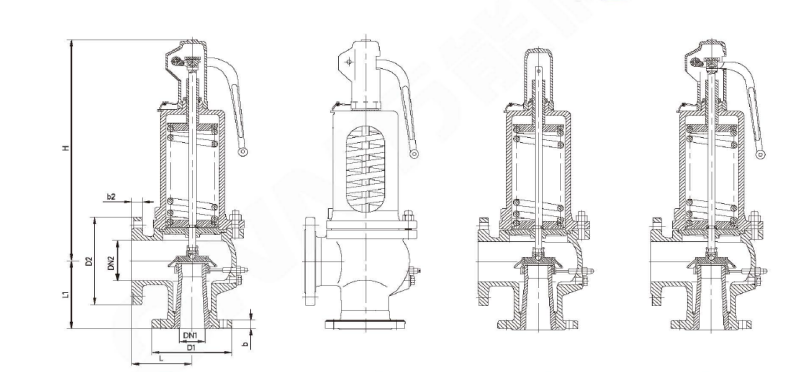
| Type | Nominal pressure | Body material | Nominal diameter | Working temperature |
| 35.901/902/911/912 | PN40/16 | WCB | DN20/32-DN150/250 | -10℃~+450℃ |
| 55.901/911 | PN40/16 | CF8/CF8M/CF3M | DN20/32-DN100/150 | -60℃~+400℃ |
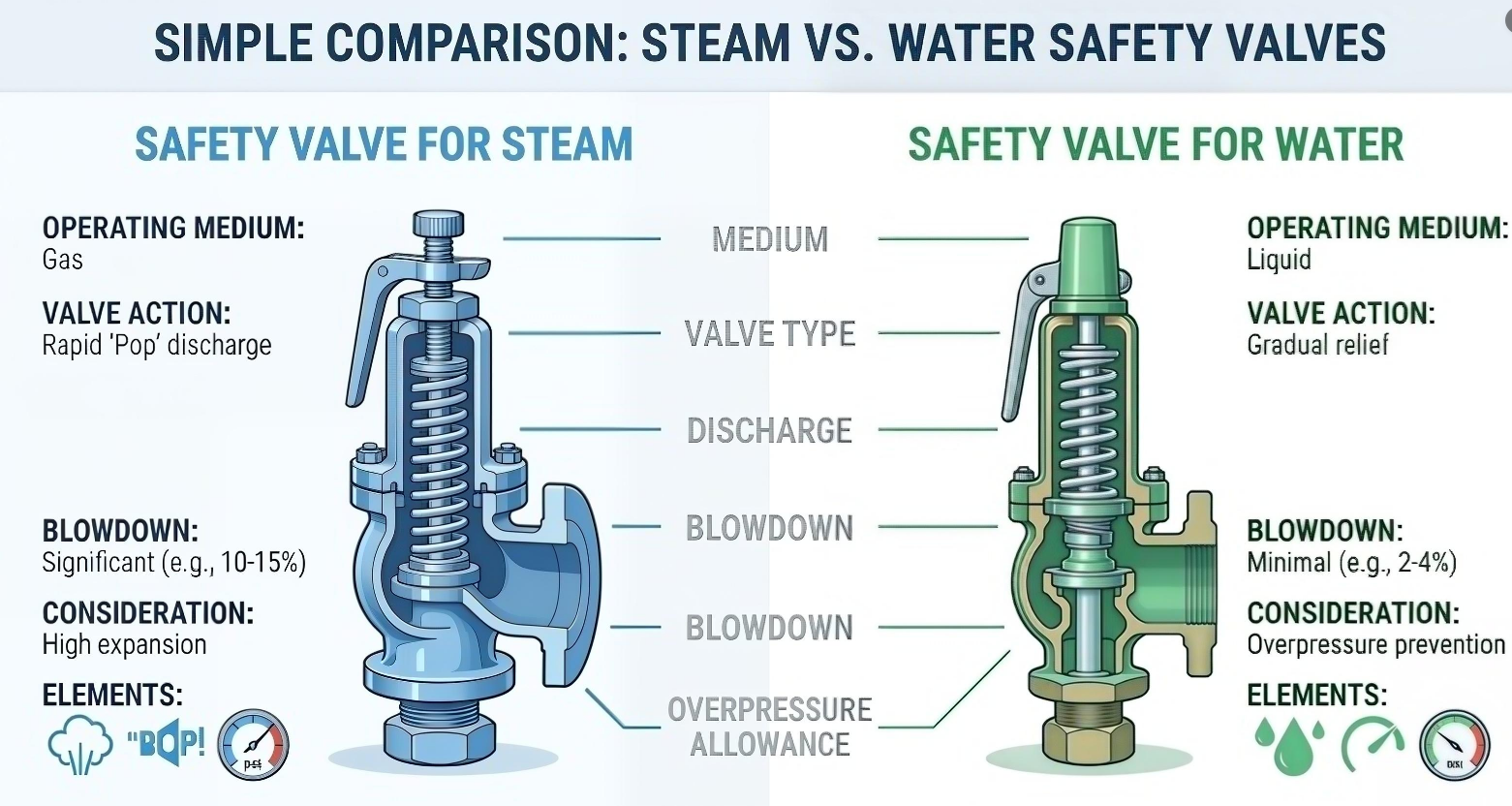
| Safety Valve for Steam vs Water | ||
| Item | Steam Safety Valve | Water Safety Valve |
| Working Medium | Steam (high‑temperature vapor) | Liquid water / hot water |
| Core Design | Optimized for vapor discharge, high‑temp spring & seat material | Designed for liquid medium, anti‑chatter structure |
| Temperature Range | Up to 425℃ | ‑20℃ ~ 180℃ |
| Discharge Feature | Large vapor volume, high relief capacity | Low volume liquid relief, avoid water hammer |
| SJ Conclusion | Steam version requires high‑temp resistant components; water‑type focuses on anti‑vibration & water‑hammer protection. | |
Recommend Products
Talk To Our Team
Have a question for our team? Get in touch with the details below.

BOTIM
+39 389 949 9067
PHONE
+39 389 949 9067
CONTACT INFORMATION

WORKING HOURS