
Size inlet & outlet: from NPS 1 to NPS 20 & from NPS 2 to NPS 24 Pressure safety valve


Size inlet & outlet: from NPS 1 to NPS 20 & from NPS 2 to NPS 24 Pressure safety valve
Pressure safety valve
Size: 1" x 2" to 20" x 24"
Orifice Areas: D (0.15 in2) to Z (176.7 in2)
Set Pressure Ranges: 15 to 6000 psig (1.0 to 413 barg)
Temperature Ranges: -320 to 1500°F (-195 to 815°C)
Flange Classes: 150# - 2500#
Suitable for: Air, Gas, Vapor, Steam & Liquid Service
Materials of Construction**: Carbon Steel, Stainless Steel, Low/High Temperature Alloy Steels, Monel, Hastelloy C, Duplex, NACE Compliant Materials
Orifice Areas: D (0.15 in2) to Z (176.7 in2)
Set Pressure Ranges: 15 to 6000 psig (1.0 to 413 barg)
Temperature Ranges: -320 to 1500°F (-195 to 815°C)
Flange Classes: 150# - 2500#
Suitable for: Air, Gas, Vapor, Steam & Liquid Service
Materials of Construction**: Carbon Steel, Stainless Steel, Low/High Temperature Alloy Steels, Monel, Hastelloy C, Duplex, NACE Compliant Materials
Quantity
Pressure safety valve
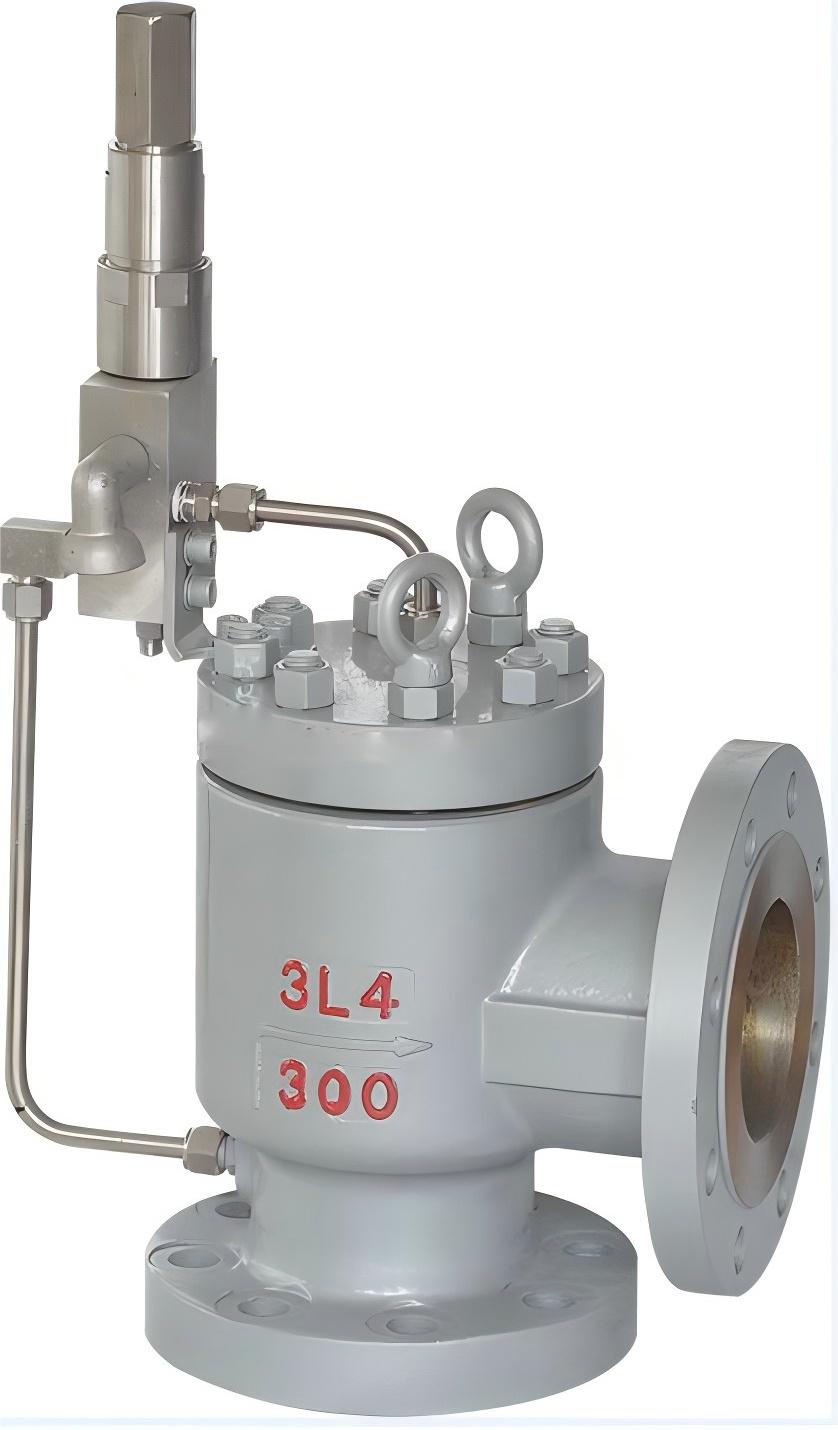
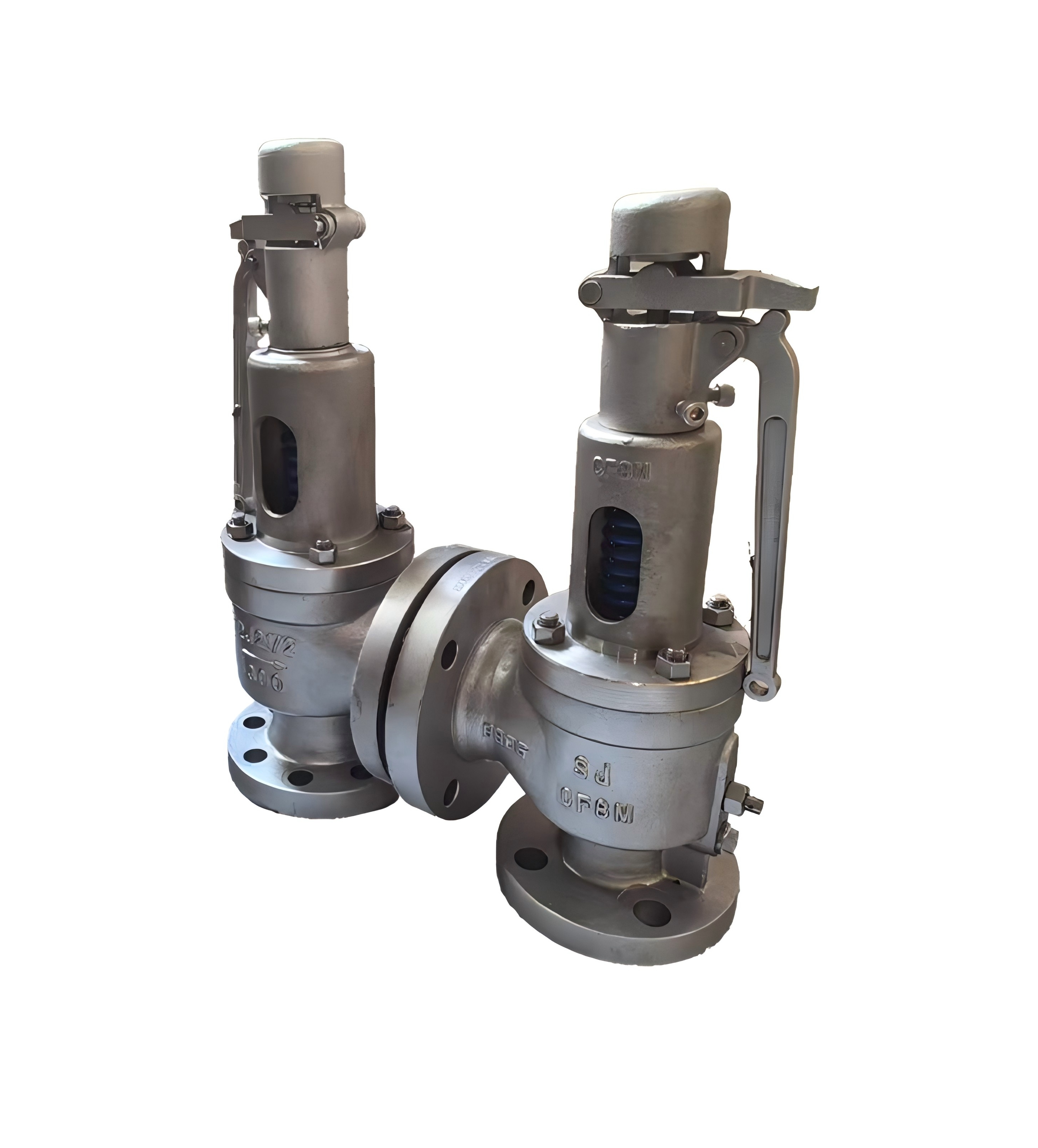
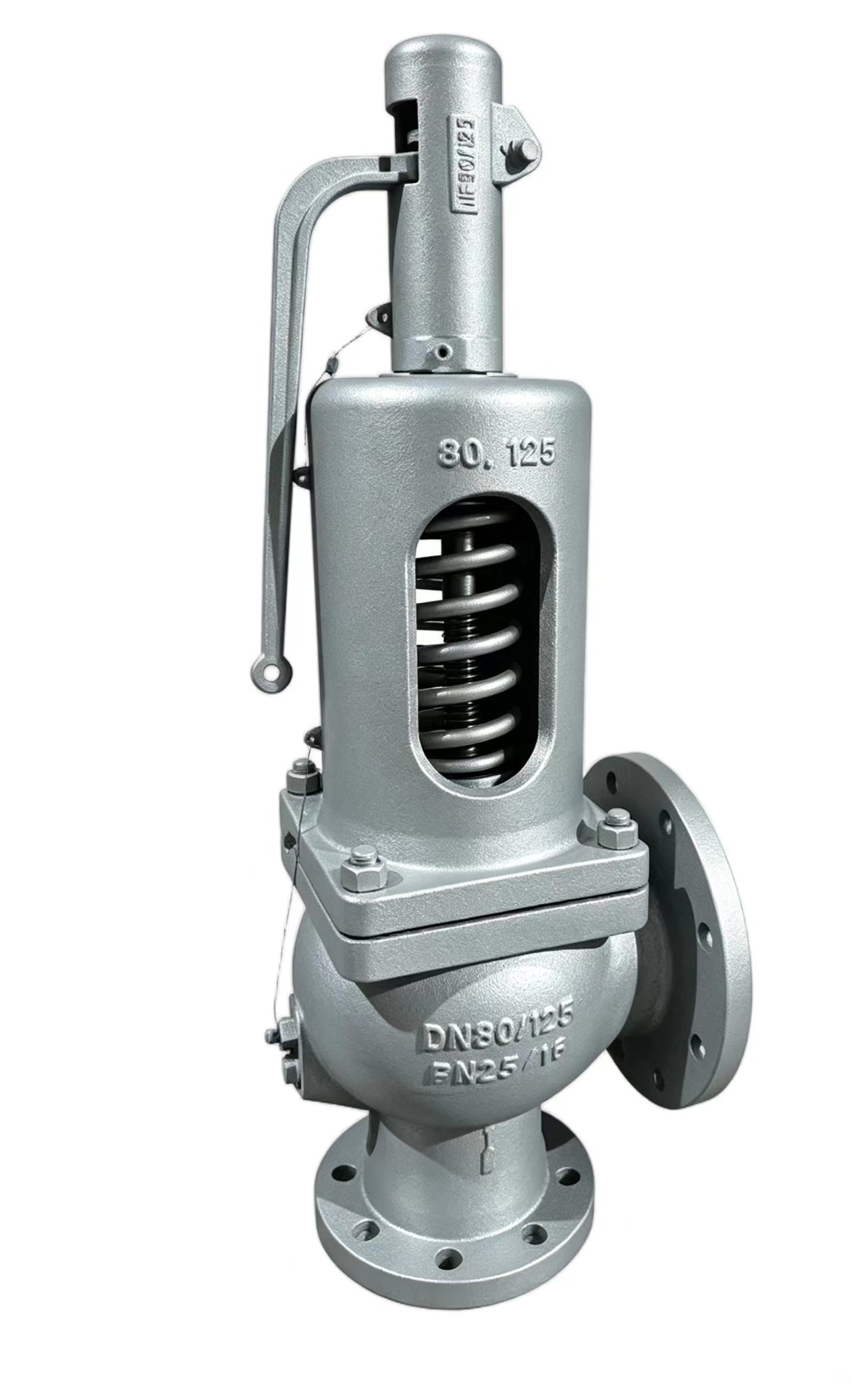
Pressure safety valve also known as relief valves, or pressure relief valves, are essential components of many industrial systems because they shield workers and equipment from the potentially disastrous effects of overpressure. They stop excessive pressure increases by releasing fluid or gas from a pressurized system. They preserve the structural integrity of the system and guarantee that it functions within safe limits.
Safety relief valves work on a simple principle: they open when pressure rises above a preset threshold, letting extra material leave until the pressure drops to safe levels.
This article will discuss what a safety relief valve is, its purpose, its types, and how it works.
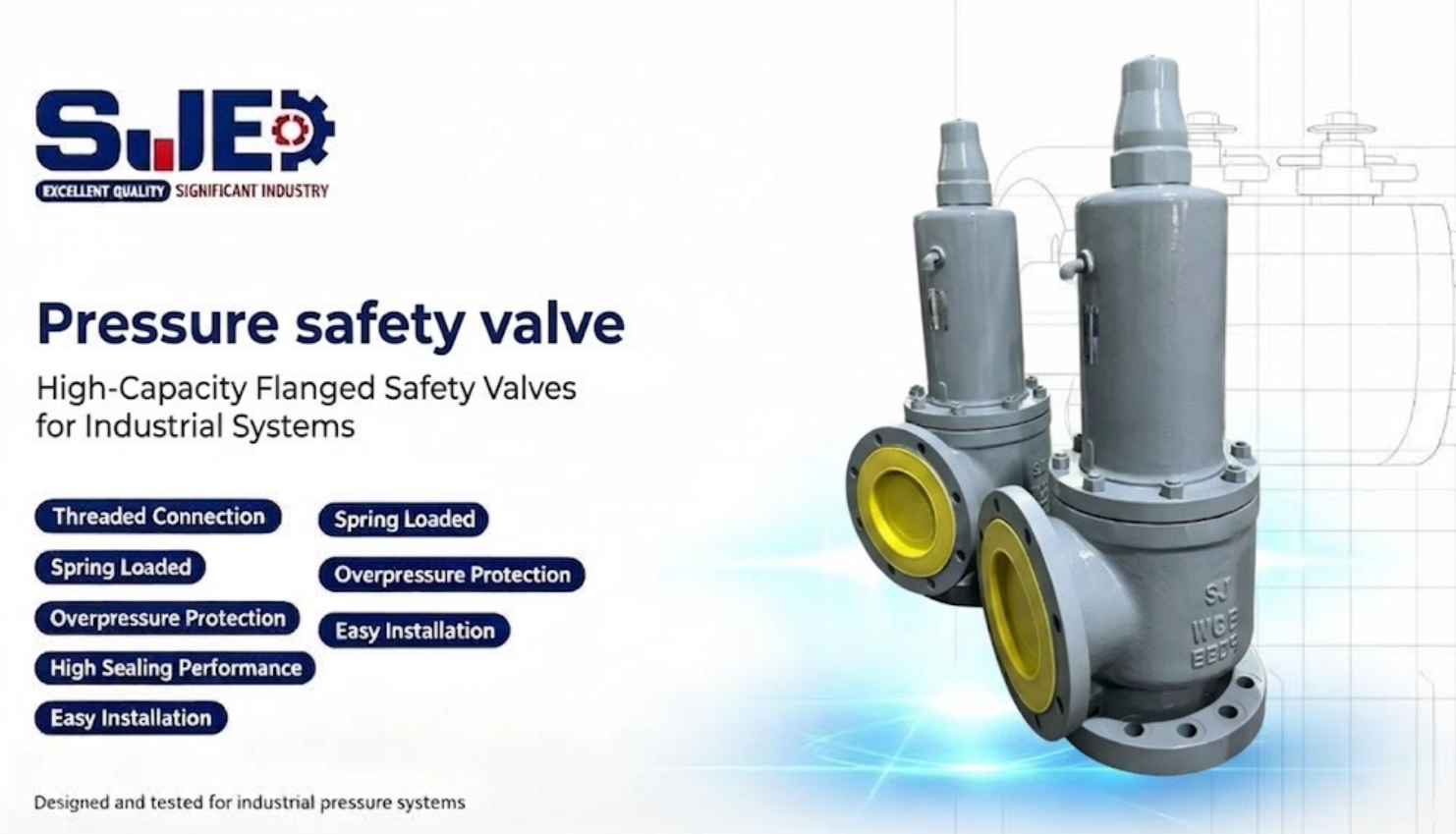
- The valve safety are the last barrier for overpressure. The valves should open to a safe area for a proper pressure relief. They should open at a given pressure even after standing without movement over a longer period.
- Safety valves do not necessarily hold tight, and downstream Pressure build -up must therefore be prevented.
- There are two types of safety valves, spring operated as the most common and pilot -operated valves for higher pressure and volume.
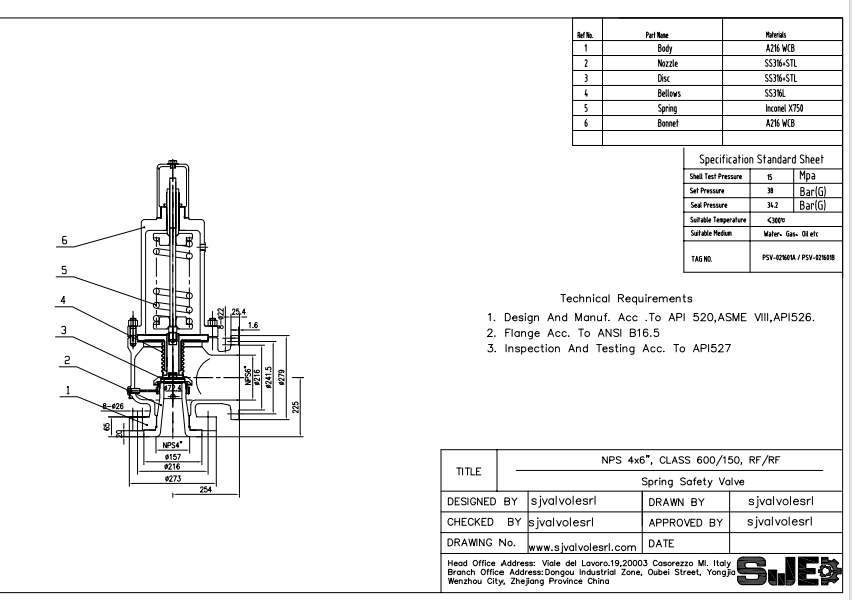
| NO. | Part Name | Valve Materials | ||||||
| 1 | Body | WCB | CF8 | CF3M | ||||
| 2 | Nozzle | 304+STL | 304+STL | 316L+STL | ||||
| 3 | Disc | 304+STL | 304+STL | 316L+STL | ||||
| 4 | Guide | 304 | 304 | 316L | ||||
| 5 | Spring | 50CrVA | 50CrVA | 50CrVA | ||||
| 6 | Bonnet | WCB | CF8 | CF3M | ||||
| 7 | Bellows | 316L | 316L | 316L | ||||
| 8 | Cap | WCB | CF8 | CF3M | ||||


Balanced Bellows safety valve Conventional safety valve
| Comparison Item | Balanced Bellows Safety Valve PNG | Conventional Safety Valve PNG |
| Backpressure Sensitivity | Insensitive to backpressure: Fluctuations in backpressure do not affect the set pressure (opening pressure). | Highly affected by backpressure: Changes in backpressure directly alter the valve opening pressure. |
| Design & Structure | Features an internal bellows mechanism that isolates the spring, guide, and upper components from the process fluid. | No bellows included; the process fluid directly contacts the spring and internal bonnet parts. |
| Applicable Conditions | Ideal for systems with high or fluctuating backpressure, or for handling toxic, flammable, or corrosive media. | Suitable for systems with constant or zero backpressure and non-corrosive media under regular operating conditions. |
| Safety & Protection | Provides double protection, preventing corrosive media from attacking the spring or leaking externally. | Features a simpler construction, but springs and internal components are more vulnerable to corrosive media. |
FAQ:What is the difference between a pressure safety valve (PSV) and a pressure reducing valve (PRV)?
The terms pressure safety valve (PSV) and pressure reducing valve (PRV) are often used interchangeably throughout the industry, depending on company standards. While the ultimate purpose of PSVs and PRVs is the same, there are some differences in how they operate, their capacities, and their settings.
Pressure reducing valves are typically set 10% above the maximum working pressure and open proportionally as pressure increases. Pressure safety valves are typically set 3% above the maximum working pressure and open fully almost instantly when overpressure occurs. Pressure reducing valves are also typically controlled by the operator, while pressure safety valves open automatically without prompting from the operator.
Pressure safety valves and pressure relief valves are both referred to as safety relief valves in some contexts. Technically, safety valves have the characteristics of both PSVs and PRVs and can be used in either application.
Pressure reducing valves are typically set 10% above the maximum working pressure and open proportionally as pressure increases. Pressure safety valves are typically set 3% above the maximum working pressure and open fully almost instantly when overpressure occurs. Pressure reducing valves are also typically controlled by the operator, while pressure safety valves open automatically without prompting from the operator.
Pressure safety valves and pressure relief valves are both referred to as safety relief valves in some contexts. Technically, safety valves have the characteristics of both PSVs and PRVs and can be used in either application.
Recommend Products
Talk To Our Team
Have a question for our team? Get in touch with the details below.

BOTIM
+39 389 949 9067
PHONE
+39 389 949 9067
CONTACT INFORMATION

WORKING HOURS