0

Why Choose Check Valves as the Primary Valve Type for Pump Systems
Why Choose Check Valves as the Primary Valve Type for Pump Systems
2024-11-18

Why Choose Check Valves as the Primary Valve Type for Pump Systems

                                                          Well Pump Check Valve How To Play An Important Role In The pump system

S J Check valves are necessary to ensure efficiency and longevity in industrial systems, especially pump systems. S J Check valves prevent water from flowing back into the well when the pump is turned off by closing immediately when water pressure drops. Without check valves, problems such as water hammer, swirl, and upward thrust can damage the pump system over time, which is where S J Check valves play a vital role
In this in-depth article, we will cover how pumps and valves work together, the role of check valves, the location of check valves, different types of check valves, and tips for testing and maintaining check valves

How Does a Well Pump Work?

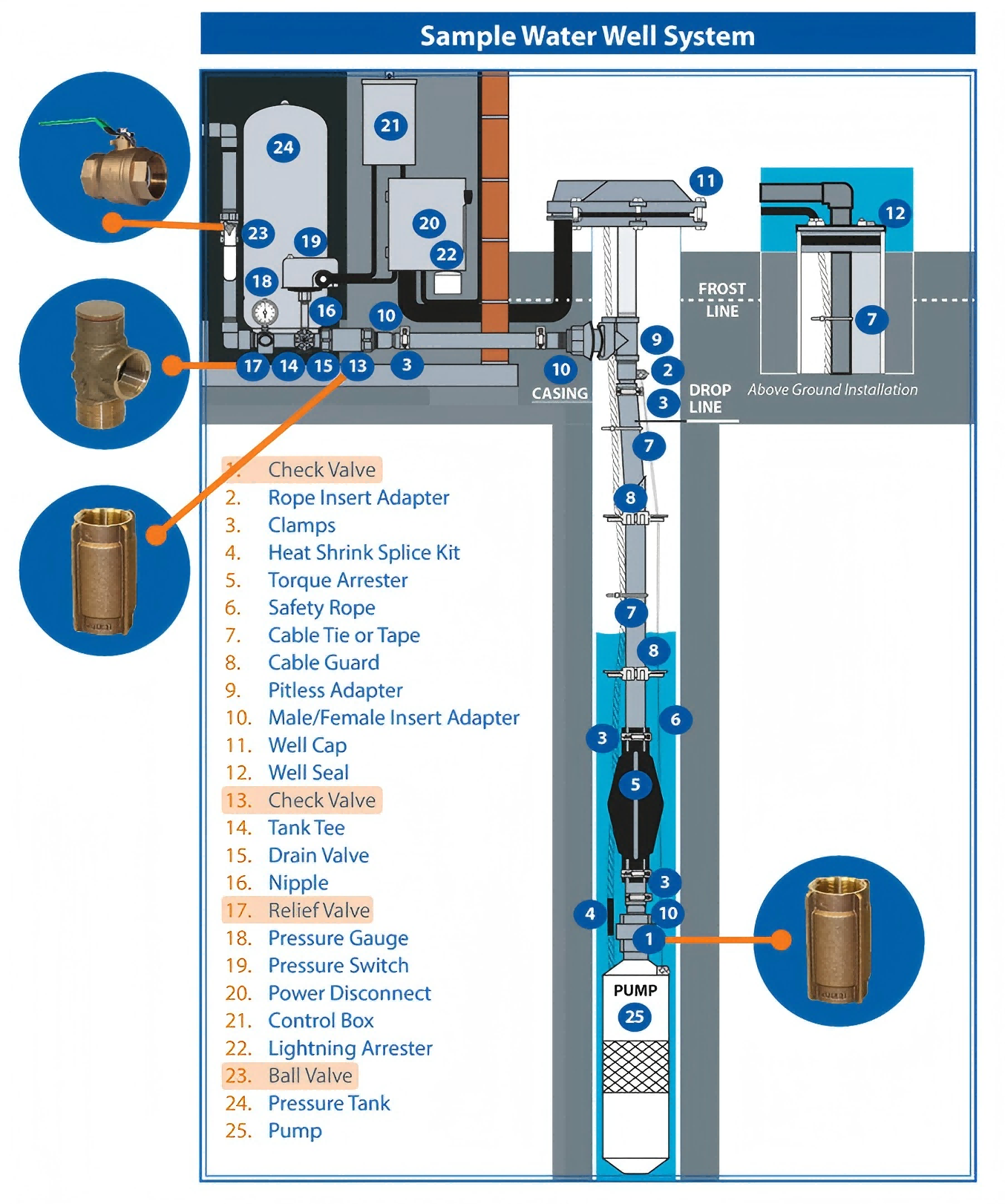
Before we dive into the S J Check valves, let's quickly review how the entire well pump system works. A well system relies on a pump (either located in the well or above ground), piping, a pressure tank, and controls to pull water from underground aquifers to the surface and into your home.
A submersible pump works inside an actual casing. The pump pushes water up through a riser pipe. The riser connects the pump to a system of pipes above ground that pumps water into the pressure tank and into your home.
For shallow wells, a surface centrifugal pump or jet pump is installed at the top of the well. This type of pump uses suction to lift water 20 to 25 feet up the riser from the level of the well.
In all cases, the pressure tank maintains constant water pressure in your home by providing a pressurized reserve. When water pressure drops, the pump turns on to add more water to the tank.

how to choose a qualified check valve and the standard of the check valve

S J Check valves are commonly used to prevent backflow in well pump systems. It is a traditional and common type of check valve that operates through a hinged flap.

Here are some key points about swing check valves:
Hinged flap: The top of a swing check valve has a hinged flap that enables it to swing open and closed.
Flow direction: When water flows in the required direction, the flap opens, allowing water to pass through and reach the outlet.
Backflow prevention: When backflow occurs, the flap closes due to the force of the backflow, preventing water from flowing back into the well pump system.
Debris handling: Swing check valves can handle debris to some extent, making them suitable for well pump systems where debris may be present

In common pump systems, suitable valves should be selected for various working conditions

The operation of most shallow well jet pumps and deep well jet pumps depends to some extent on the proper functioning of the pump's foot valve. This valve is installed at the end of the suction pipe or below the jet in the well to prevent backflow.
Without a foot valve, a point of mass is lost from the suction line each time the pump is shut off. This valve requires good positive shutoff to prevent loss of mass and pump cycling when there is no demand.Whenever possible, foot valves should be used on shallow well and deep well jet pump water systems to ensure safe flow from the water level in the well to the pump. This is necessary to protect important pump components such as rotary seals, seal rings and other parts that could be damaged by heat if the pump is operated without water flow.
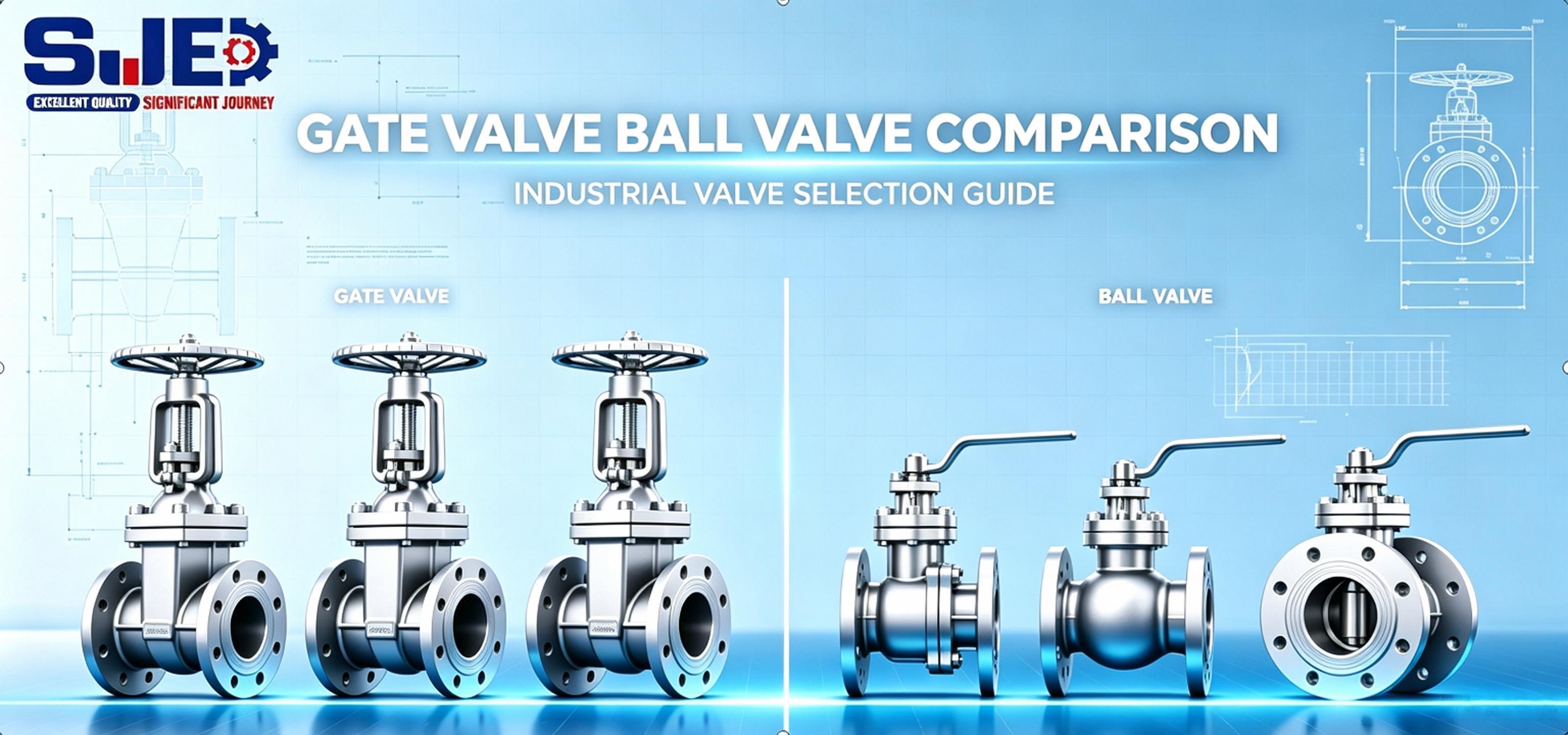
Shut-off valves, such as gate valves or ball valves, should be installed between the tank and supply lines throughout the water system. This makes it possible to consume only the necessary portion of the system at each repair or change to make

 S J Flow Control Valves

Flow control valves are used to reduce or limit the capacity of a pump, primarily to prevent overload (high amperage) thrust conditions on the motor and pump. When system conditions allow a pump to provide excessive flow, a flow control valve can be installed to limit or restrict the flow to the appropriate amount.This type of valve is often installed on showers or other water-using appliances to limit the flow of gallons per minute to those outlets. Flow control valves can also be used to maintain a set flow rate for an appliance such as an irrigation system.

S J Pressure Relief Valves

If the pressure switch controlling the pump is damaged, or if the pump is left on too long, high pressure can be generated. Most submersible pumps can generate pressures that exceed the rated operating limits of the pressure tank or distribution system.

If not corrected immediately, excessive water pressure can damage water system components as well as the pressure tank, so installing a pressure relief valve is recommended.

Conclusion:Why Choose Check Valves as the Primary Valve Type for Pump Systems

There are many different types of submersible check valves that can be used for different applications with regard to flow and maximum system pressure. Materials, size, and construction all have a significant impact on performance and are important considerations for years of trouble-free operation.

Installing multiple submersible check valves is important in order to properly absorb the hydraulic water shock associated with water well pumping and maintenance-free operation can provide the best chance of long-term function of the well system without repairs.

Almost all reputable pump manufacturers recommend installing multiple check valves in a water well system, thus acknowledging that installing check valves at multiple stages in the downpipe is the best way to protect the product and extend its service life.